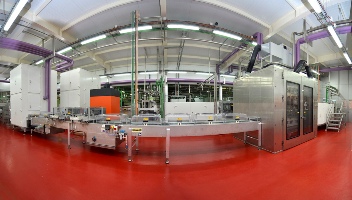
Nestlé has invested €2.3 million in an efficient thermal energy system at its chocolate factory in La Penilla de Cayón, Spain, which will save energy by almost 5 percent while reducing CO2 emissions by almost 2,000 tons per year.
The new system, along with a previously completed centralization of the hot water circuits, will also save the factory around 15,000 m3 of water.
The system features a heat pump that will use residual energy from the factory’s cold production plant to heat the water necessary for the manufacturing processes as well as air conditioning.
According to Eugenia Otón, director of the factory, the improvement presents a model of high energy efficiency that places Nestle as a regional pioneer in using this technique.
The new thermal energy system is one in a number of environmental improvements that the plant has implemented in recent months, such as the installation of groups of cooling towers that allow for the constant reuse of water.
In addition, all the electricity purchased by the production site comes from renewable sources and the factory is said to provide zero waste to landfill.