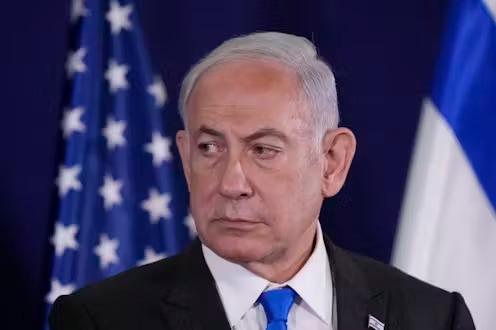
Israeli Prime Minister Benjamin Netanyahu has formally submitted a request for a presidential pardon to Israel’s President Isaac Herzog, marking a rare and consequential development in the country’s political landscape. The announcement came from Herzog’s office on Sunday, stating that the president is reviewing the request with full awareness of its exceptional nature and the potential ramifications for Israel’s legal and political systems. According to the statement, Herzog will assess all relevant legal opinions before making a decision, emphasizing that the process will be handled with “responsibility and sincerity.”
Netanyahu’s office has not issued any comment regarding the pardon request, leaving many to speculate about the prime minister’s strategic motivations and the broader impact on his leadership. The request arrives as Netanyahu continues to face a long-running corruption trial involving allegations of bribery, fraud, and breach of trust—charges he has consistently denied. He has pleaded not guilty and maintains that the accusations are politically driven.
The move adds another layer of complexity to Israel’s already tense political climate. Analysts note that a presidential pardon for a sitting prime minister is unprecedented and could influence public trust in both the judiciary and the executive branches. The case has been closely watched domestically and internationally, with many viewing it as a test of Israel’s democratic institutions and the rule of law.
Netanyahu’s legal battle has stretched on for years, affecting political alliances and shaping policy debates across the country. As the president deliberates, the request is likely to intensify public discourse, ignite fresh criticism from opposition parties, and raise questions about the future of Netanyahu’s political career. The final decision, when it comes, will be a defining moment for Israel’s governance and its commitment to judicial independence.