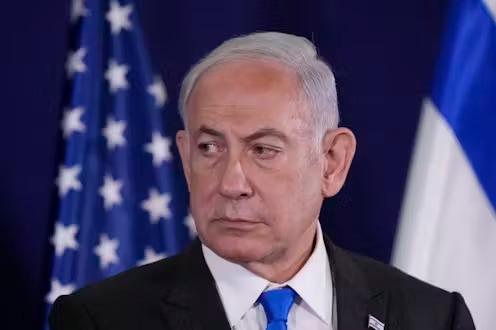
Israeli Prime Minister Benjamin Netanyahu has announced plans to initiate direct peace negotiations with Beirut, just one day after devastating Israeli airstrikes killed over 300 people in Lebanon — strikes that have now threatened the fragile U.S.-brokered ceasefire with Iran.
U.S. President Donald Trump declared the ceasefire late Tuesday, hours before his deadline to launch devastating action against Iran. Meanwhile, Pakistani authorities locked down parts of Islamabad to prepare for the first round of formal U.S.-Iran negotiations.
Despite the truce announcement, Iran has maintained its near-total blockade of the Strait of Hormuz, causing unprecedented disruption to global energy markets. Iran's new Supreme Leader Mojtaba Khamenei — who assumed power after his father was killed on the war's opening day — vowed retaliation in a nationally televised statement, warning that Iran would enter a "new phase" of managing the critical waterway.
The blockade's impact is stark. Within the first 24 hours of the ceasefire, only six vessels passed through a strait that previously handled around 140 ships daily, representing roughly 20% of global oil and LNG supplies. Trump took to social media insisting oil flow would resume, warning Iran against charging tankers transit fees.
Netanyahu confirmed he had authorized peace talks with Lebanon to begin as soon as possible, with a core focus on disarming the Iran-backed militant group Hezbollah. Lebanese President Joseph Aoun expressed cautious optimism about diplomatic progress, and a senior U.S. State Department official confirmed Washington would host ceasefire negotiations the following week.
However, Hezbollah rejected direct talks with Israel outright, demanding a ceasefire as a prerequisite. The group reported at least 20 military operations on Thursday alone, even as Lebanon declared a national day of mourning following what officials described as a massacre. The country's Health Ministry confirmed the death toll had surpassed 1,888 since early March, with more than 6,000 wounded.