


 Moderna Wins FDA Approval for mFLUSIVA mRNA Flu Vaccine for Adults 50+
  Venezuela Earthquake Health Risks Rise as Disease Monitoring Intensifies
  Hanmi Pharm Soars 30% on $2.3 Billion Genentech Obesity Drug Deal
  GSK Unveils $2.52 Billion Cost-Cutting Plan to Accelerate Drug Pipeline
  U.S. Issues Cuba Health Alert as Illnesses Rise
  New York Declares Measles Disaster Emergency as Cases Surge
  Novo Nordisk Strikes €1.17 Billion Nanexa Drug Delivery Deal
  Trump Administration Bars U.S. Travelers From Congo Flights Amid Ebola Outbreak
  Novo Nordisk Eyes Turnaround as Oral Wegovy Challenges Eli Lilly in Weight-Loss Drug Race
  Hims & Hers Shares Fall as GLP-1 Costs Widen Q2 Loss
  AstraZeneca Halts Phase III Volrustomig Lung Cancer Trial After Efficacy Setback
  Novartis M&A Strategy Faces Investor Scrutiny After Drug Setbacks
  FDA Approves Mirum’s Atebrioz for Rare Bone Disorder FOP
  SK Biopharmaceuticals Secures Global Rights to Biohaven Epilepsy Drug Opakalim
  GLP-1 Weight-Loss Drug Use Surges Among U.S. Children
  HUTCHMED, AstraZeneca Seek FDA Approval for Lung Cancer Combo


 Add as a preferred source on Google
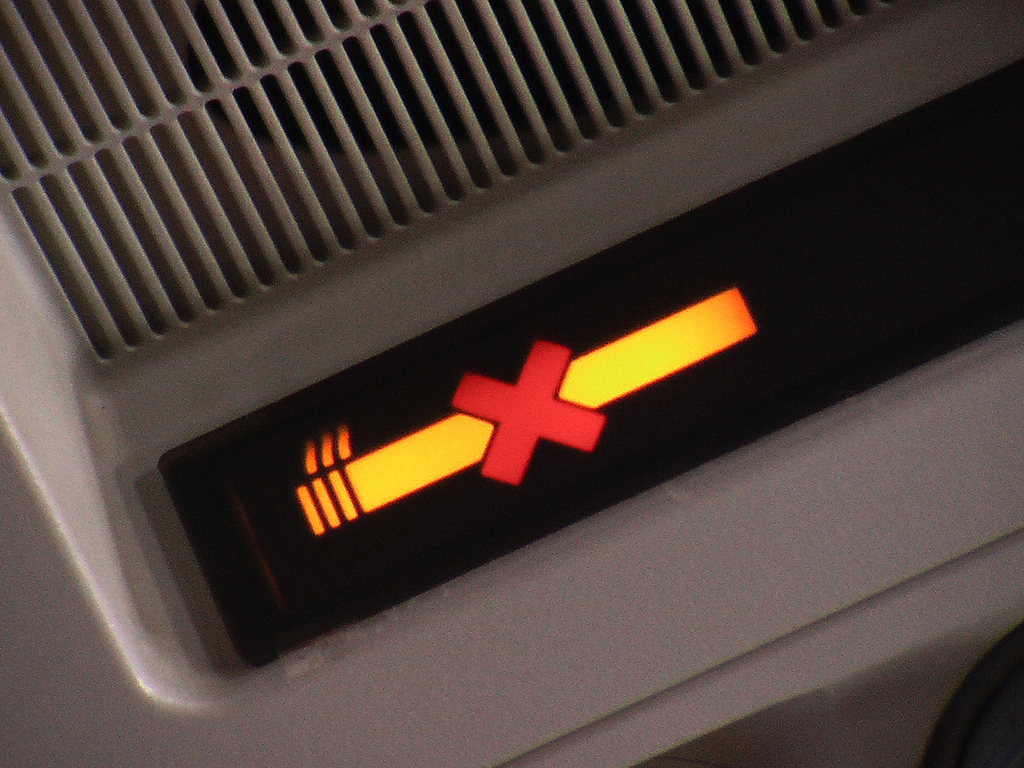
In what should come as no surprise to anyone who knows the effects of smoking on patients with asthma, a new report indicates that the latest strings of indoor smoking bans will have a direct impact on reducing emergency room visits due to asthma attacks. Basically, it proves that not subjecting children with breathing problems to tobacco smog is good for their health.
The study was done by researchers at the University of Chicago Medicine, Tech Times reports, and their findings indicate that the ban on smoking indoors results in the drastic reduction of asthma attacks among children that lead to emergency room visits. Three years after the ban was put in effect, ER visits were reduced by 17 percent.
Christina Ciaccio is an expert in pediatric allergy and along with her team, they looked into the emergency room records of over 20 cities where indoor smoking has been banned. After looking at their records from 2000 until 2014, the researchers noted a definite decrease in overall ER visits prompted by breathing problems among asthmatic patients.
This isn’t really surprising since air pollution of any kind has been a major hazard for the 6.3 million American children with asthma living in the U.S. alone. To be fair, other causes of asthma attacks can include everything from car exhaust, factory smoke, allergens, dust, and the occasional overexertion when the weather is cold.
However, as far as causes that induce attacks indoors go, smoking is cited as one of the leading factors, hence the ban. Then again, the researchers themselves acknowledge that their findings are not entirely foolproof since there are some fluctuations in data, MedicalXpress reports. For now, the results of the study simply show that the legislative action pertaining to the smoking ban has a significant impact on public health.







