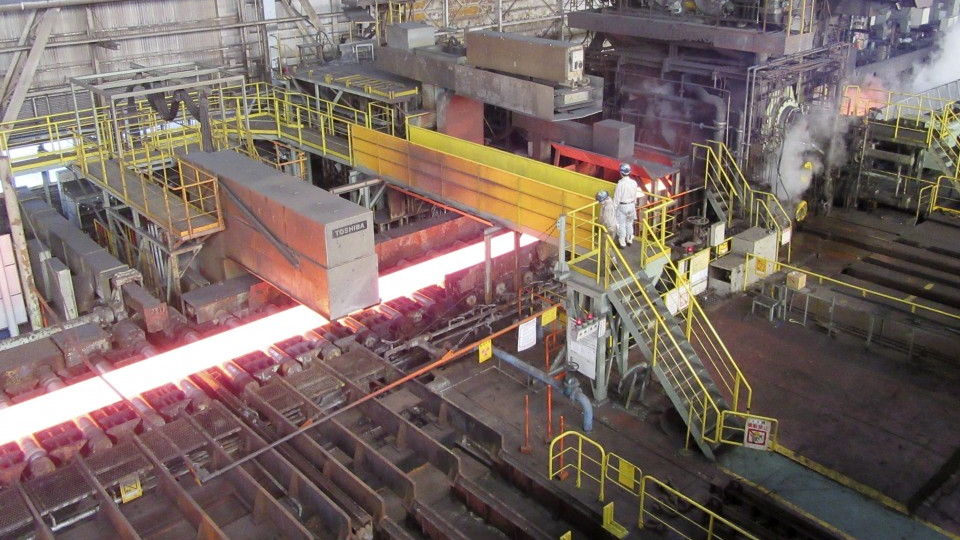
Nippon Steel will increase spending on research and development (R&D) to hasten decarbonization in steelmaking and address climate change issues.
The world's No. 3 steelmaker is facing growing pressure to cut carbon emissions.
According to Executive Vice President Katsuhiro Miyamoto, Nippon Steel will step up the development of hydrogen use in carbon capture, iron ore reduction, and storage technology, and methods to produce high-end steel in electric furnaces.
However, Miyamoto insists that the government needs to develop a strategy to provide cheap carbon-free electricity.
Nippon Steel and other local steelmakers have been collaborating in the development of iron ore reduction technology, which uses hydrogen in blast furnaces, to reduce CO2 emissions by 30 percent by 2030.
But with Japan's pledge to achieve carbon neutrality by 2050, the industry is forced to look for alternatives in accelerating its shift towards carbon-free steel manufacturing.
Japanese steelmakers, which contribute 14 percent of the nation's carbon emissions, are faced with the challenge of making cuts on carbon emissions while remaining profitable in a growingly competitive market.
While Nippon Steel expects a net loss for the year to March 31, Miyamoto said the company is confident to return to profitability in the upcoming year.
Miyamoto noted that solid demand from industry will remain and that its Indian unit is poised for earnings growth.