


 Djibouti Migrant Boat Capsizes, Killing 139 and Leaving 84 Missing
  North Korea Fires Ballistic Missiles as Tensions With South Korea Escalate
  Flavio Bolsonaro Leads Lula 49%-45% in Brazil Runoff Poll
  Pakistan Declares Emergency in Khyber Pakhtunkhwa, Suspends Imran Khan’s PTI Government
  Trump Announces Russia-Ukraine Energy Ceasefire Amid U.S. Pressure on Kyiv
  Trump Secures Russian Diesel Deal as US Fuel Prices Surge
  RFK Jr. Launches Nationwide Vaccine Safety Review
  Panama Declares Emergency After 7.7 Earthquake Triggers 200 Aftershocks
  Houthis Warn Saudi Airports After Deadly Riyadh Attack
  US, EU Push for Action Against Asia’s Excess Factory Capacity
  US Judge Blocks Trump Administration’s Taxpayer-Funded Political Ads
  Trump Announces Russia-Ukraine Energy Ceasefire as Zelenskiy Awaits Details
  Mahmoud Abbas Postpones Palestinian Elections to September 2027
  Zelenskiy Offers Russia Energy Truce Amid Trump Pressure
  Brazil Election: Lula and Bolsonaro Rally Ahead of October 25 Runoff
  Zelenskiy Slams US Over Deadly Russian Strikes on Ukraine
  Trump Calls for Zelenskyy Replacement Amid Russian Diesel Deal


 Add as a preferred source on Google
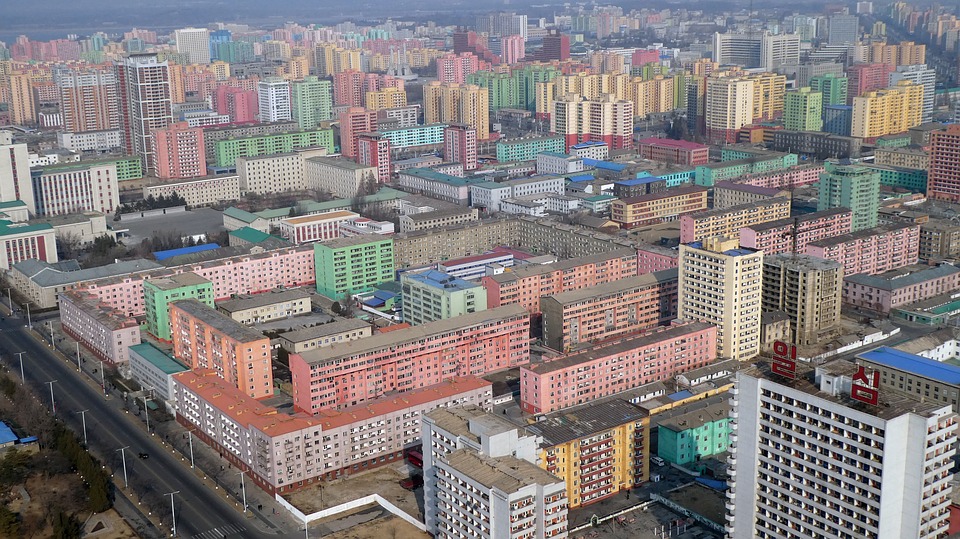
While North Korea claims to have moved forward from COVID-19 following an outbreak in recent months, a United Nations assessment found that the efforts to contain the virus may have violated human rights. The report found that the restrictions imposed by Pyongyang likely worsened human rights violations.
The United Nations human rights office in Seoul published its report Thursday on North Korea’s efforts to contain the coronavirus. The report found that Pyongyang’s COVID-19 restrictions only worsened its human rights violations.
In interviews with North Korean defectors along with information from other UN agencies, the report found that North Korea’s border closure in 2020 added to restrictions on access to outside information. Authorities were reinforcing military presence, fences, and closed-circuit television cameras and motion detectors along the border.
The report also found that North Korea also adopted the use of digital watermarking and hardware modification to conduct surveillance and restrict access to foreign media content, as well as jamming radio frequencies from outside the country.
The report said such measures “made it more difficult for information to enter the country, such as through the distribution of USB memory sticks and micro SD cards.”
North Korea has long rejected the accusations of human rights violations and criticized UN probes on its COVID-19 situation, claiming that it is a US-backed plot to interfere in its internal affairs.
The report also said the outbreak could have worsened North Koreans’ access to food and healthcare due to the country’s lack of medical infrastructure.
Friday last week, North Korea said the fever cases reported near the border it shares with China were patients with the flu, according to state media. This follows Pyongyang’s claim the day before that it locked down the area and mobilized medical teams after four fever cases were reported from Ryanggang province, but that it was not COVID-19.
While North Korea has never confirmed how many people were infected with COVID-19, it has only reported daily numbers of people suffering from fever which totaled around 4.77 million, and that there were no new cases as of July 29.
In a separate report by North Korean state media outlet KCNA, a Russian state media interview with its ambassador to North Korea, Alexandr Matsegora, said that it was possible the virus came from China instead of anti-North Korea leaflets flown over the border from South Korea.







