


 MongoDB Stock Sinks 14% as Atlas Growth Misses Expectations
  Nvidia Eyes $2.5 Billion Investment in Thinking Machines Lab
  SEC Sues Former Tricolor Executives Over $1.9 Billion Investor Fraud Scheme
  SEC Proposes ‘Regulation Crypto Assets’ Framework for Crypto Fundraising
  Trump Administration Pauses Visa Appointments Worldwide
  US Sailor’s Father Detained by Immigration Authorities
  SpaceX Turbine Push Unlikely to Threaten Howmet, Bernstein Says
  Milei Threatens Falkland Oil Firms With Sanctions
  South Korea, US Discuss Chip Investments Amid Tariff Plans
  Trump Orders Reduction in U.S.-South Korea Military Drills, Citing Kim Jong Un Ties
  PayPal Shares Sink as $50 Billion Takeover Bid Collapses
  Anthropic Nears $15 Billion Credit Deal Ahead of IPO
  Adobe Names Anil Chakravarthy CEO as AI Push Accelerates
  ByteDance Secures $29.6 Billion Loan to Boost AI Investment
  Guatemala Receives 2,300 Mexicans Deported From US
  Trump Grants Clemency to Jay-Z Associate Emory Jones


 Add as a preferred source on Google
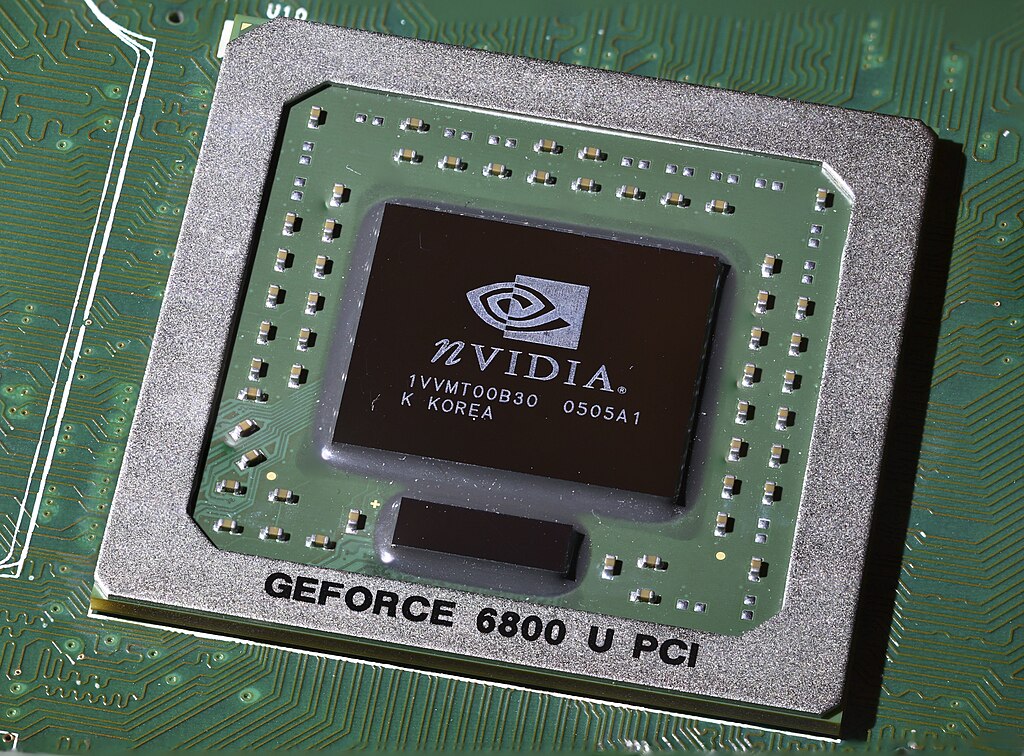
U.S. lawmakers are raising alarms over the Commerce Department’s decision to allow Nvidia (NASDAQ: NVDA) to resume sales of its H20 AI chips to China. Republican Representative John Moolenaar, chair of the House panel on China, sent a letter to Commerce Secretary Howard Lutnick on Friday, warning that the move could jeopardize America’s AI advantage and aid China’s military and censorship efforts. Moolenaar called the original export ban “the right call” and demanded details on licensing criteria, export volumes, and recipients before August 8.
The H20 chip, designed by Nvidia specifically for China after broader AI chip restrictions were imposed, is still powerful enough to be used in supercomputers and AI inference tasks, a rapidly growing segment of the chip market. According to Moolenaar, firms like Tencent and DeepSeek are already using the H20 to train large AI models, further elevating national security concerns.
The decision to permit exports follows recent U.S. negotiations with China over rare earths and magnets. While export licenses are still required, Nvidia stated it has received assurances that licenses will be granted soon.
Critics argue the reversal, initially imposed under the Trump administration and supported across party lines, weakens efforts to curb China’s AI progress. Nvidia defended the policy change, stating it benefits U.S. technological leadership, economic growth, and national security. However, Nvidia shares dipped following Moolenaar’s sharp criticism.
Moolenaar emphasized that the H20 significantly outperforms domestic Chinese chips like those from Huawei, posing a strategic risk. His public challenge to a Trump-era decision highlights bipartisan concern over AI exports to China amid intensifying U.S.-China tech tensions. A response from the Commerce Department is still pending.







