


 Asian Currencies Steady as Dollar Nears 18-Month High Ahead of US CPI
  China Bank Lending Rebounds in September, Beats Forecasts
  Oil Prices Surge Above $106 After Deadly Saudi Airport Attack
  Gaza Olive Harvest Collapses as War Destroys Farmland
  IMF Maintains 2027 Global Growth Forecast at 3.4% Amid Rising Risks
  Fed's Hammack Urges Faster Rate Hikes to Fight Inflation
  Wall Street Ends Mixed as Investors Await CPI and Bank Earnings
  Oil Prices Fall as Russia Signals Higher Diesel Exports
  Asian Stocks Fall as Oil Prices Rise Ahead of US CPI Data
  Italy’s Meloni Warns US-Russia Diesel Deal Could Weaken Ukraine Sanctions
  Asian Stocks Plunge as AI Chip Selloff Hits South Korea and Japan
  US Dollar Slips From 18-Month High Ahead of Key Inflation Data
  Oil Prices Mixed as Russia Diesel Deal and Houthi Attacks Raise Supply Concerns
  Fed’s Williams Sees One More Rate Hike in 2026, None in 2027
  IMF Warns US Debt Crisis Needs Fiscal Action, Urges China to Boost Consumption
  US Dollar Index Falls as Fed Signals Caution, Indian Rupee Surges
  US Inflation Surges in September, Raising Fed Rate Hike Bets


 Add as a preferred source on Google
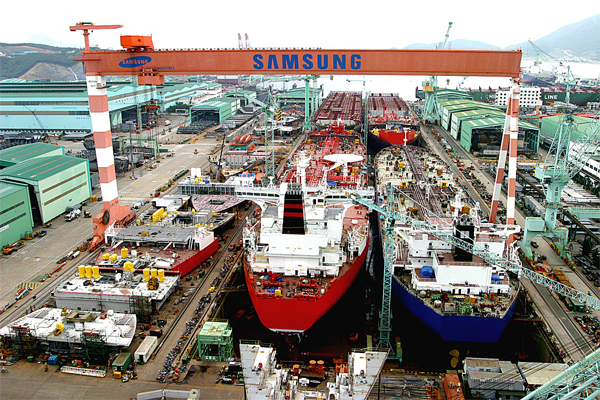
The container ships on order rose by 23 to 201 last week, the biggest weekly gain in two years, boosting the outlook for Asian shipyards.
Some of the world’s largest container-shipping lines are ordering new vessels to address surging demand for ocean-cargo services.
Such ships globally transport about 80 percent of goods.
ZIM Integrated Shipping Services Ltd., an Israeli company that went public in late January, and Taiwan’s Evergreen Marine Corp. have announced recent purchases or chartering deals.
The 2016 bankruptcy of South Korea’s Hanjin Shipping disrupted supply chains for weeks and made it tougher to secure longer-term financing to purchase ships.
But the pandemic led to a surge in online demand for goods that allowed the carriers to charge rates up to four times higher for freight across the Pacific than a year ago.
Denmark’s A.P. Moller-Maersk A/S, the world's number one container shipping company, predicted last week that global container demand will increase 3 to 5 percent this year.
Orders for new container ships have increased by 115 since early October, equivalent to a new container capacity of over 1.1 million 20-foot equivalent units, or TEUs. It raised the total capacity order to about 2.7 million TEUs.
Shipping lines have ordered 21 vessels from South Korean shipyards since the start of the year. Some will be powered by liquefied natural gas in compliance with new international pollution standards.
Chinese shipyards have also benefitted.







