


 Oil Prices Fall as U.S. Crude Inventories Rise, Middle East Risks Persist
  EUR/USD Eyes 1.17 as Fed Decision Could Weigh on Dollar
  Saudi Oil Exports Face 4% Global Supply Threat as Pipeline Remains Shut
  Central Banks Could Buy 20,000 Tonnes of Gold: BofA
  US Futures Fall as Fed Meeting, Oil Surge Rattle Markets
  Gold Prices Fall as Hot U.S. Inflation Boosts Fed Rate Hike Bets
  Asian Stocks Rise as Investors Brace for Fed Rate Decision
  Asian Tech Stocks Slide as AI Concerns and Rising Bond Yields Hit Chipmakers
  Gold Prices Steady as Oil Disruptions Boost Fed Rate Hike Bets
  Finland Raises 2026 Growth Forecast as Exports and Investment Surge
  US Stock Futures Rise as Markets Brace for Fed Rate Hike
  Asian Bank Stocks Slide as BofA Warning and Rising Yields Hit Sentiment
  China’s Slower Loan Growth Becomes ‘New Normal’ as Credit Demand Weakens
  Hong Kong Unveils First Five-Year Plan to Boost Finance, Tech and Housing
  China Home Prices Fall Again as Property Slump Drags on Growth
  UK Businesses Urge Government to Cut Electricity Levies
  Japanese Yen Retreats as Dollar Rises Ahead of Fed, BOJ Rate Decisions


 Add as a preferred source on Google
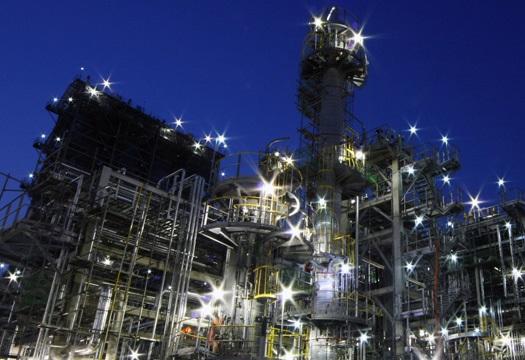
Korea's Ministry of Trade, Industry and Energy is figuring out ways to cut charges related to the importation and sale of petroleum.
A council is being set up with the oil refining companies, whose losses are estimated at four trillion won in the first quarter of this year alone, to discuss how to ease their burden.
The new council will undertake a more fundamental review of the charges.
Payment deadlines for the companies' April to June charges amonting to around 900 billion won have already been deferred.
But the companies still have requested the ministry to reduce the charges with the pandemic affecting their business.
These companies are paying 16 won per liter crude oil and petroleum products importation and 36 won per liter in selling high-octane gasoline and butane.
Such charges exceeded 1.8 trillion won last year.
The ministry is also planning to review the government’s oil stockpiling policy due to oil prices plummeting as a result of prlonged conflicts expected among the United States, Russia and Middle East countries.







