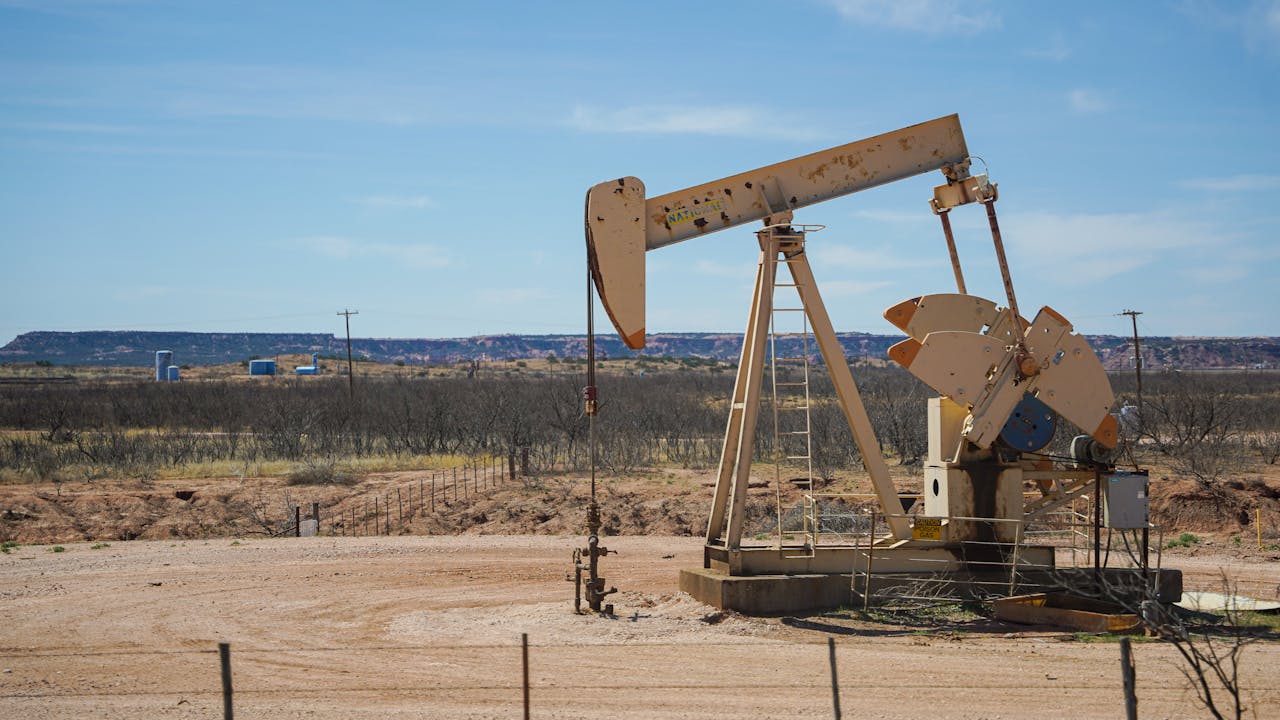
Oil prices gained more than 1% in early Asian trading on Monday as traders reacted to OPEC+’s decision to maintain output cuts and growing geopolitical risks that could threaten global crude supply. Brent crude futures for February advanced 1.2% to $63.13 a barrel, while West Texas Intermediate (WTI) futures rose 1.2% to $59.27.
The latest boost in crude prices came after OPEC and its allies confirmed they will hold production levels steady through the first quarter. The alliance is keeping voluntary cuts of about 3.24 million barrels per day in place as it navigates uneven global demand and concerns about a potential surplus heading into 2026. The group also moved forward with plans to review members’ maximum production capacities between January and September 2026, a step analysts say could spark internal disputes as countries push for higher baselines to secure greater future quotas.
Market sentiment was further influenced by renewed supply concerns tied to rising tensions between the United States and Venezuela. U.S. President Donald Trump indicated he is considering closing Venezuelan airspace, intensifying fears of disruptions to the country’s roughly 800,000 barrels per day in oil exports, most of which are shipped to China. Analysts warn that any escalation could place a significant share of Venezuelan crude at risk.
Additional support for oil prices came from attacks over the weekend targeting Russian energy infrastructure. The Caspian Pipeline Consortium (CPC) reported a suspension of loadings at its Novorossiysk terminal after a naval drone strike damaged a mooring point. The pipeline, which has transported an average of 1.48 million barrels per day this year, plays a critical role in moving Kazakh and Russian crude through the Black Sea. Any prolonged disruption could tighten global supply further, adding upward pressure to oil markets.
Overall, traders remain focused on the delicate balance between supply risks and uncertain demand as geopolitical tensions and strategic production decisions continue to influence crude price movements.