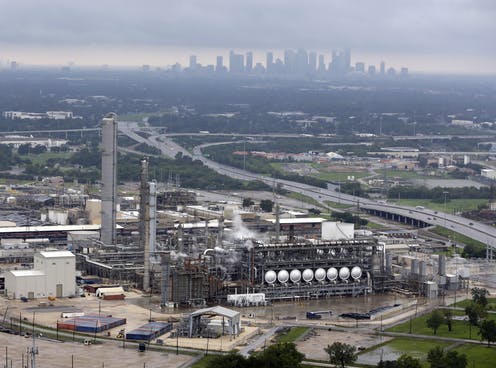
Oil prices dipped in Asian trading on Monday as markets remained cautious ahead of potential new U.S. tariffs and a possible Russia-Ukraine peace agreement. Brent crude held steady at $74.76 a barrel, while WTI futures for March hovered at $70.69.
Investor sentiment was dampened by renewed trade war fears after President Trump’s tariff announcements last week, which could slow global economic growth and reduce crude demand. Analysts highlighted concerns over escalating U.S.-China trade tensions impacting energy markets.
Trump also hinted at an upcoming meeting with Russian President Vladimir Putin to discuss ending the Ukraine conflict. A peace deal could lift sanctions on Russian oil exports, boosting global supply and offsetting OPEC+ production cuts implemented earlier this year. Russia, a top oil producer, could significantly influence market dynamics if export restrictions ease.
Markets are also eyeing U.S. Federal Reserve comments this week after mixed inflation data. The Consumer Price Index rose 3% annually in January, up from 2.9% in December, tempering expectations for imminent interest rate cuts. Higher interest rates could strengthen the U.S. dollar, making oil more expensive for non-dollar holders and potentially reducing demand. Conversely, dovish signals could weaken the dollar, supporting oil prices.



IEA Warns China Rare Earth Export Curbs Could Threaten $6.5 Trillion in Global Production
Asian Currencies Stay Rangebound as Middle East Tensions, Weak China GDP Weigh on Sentiment
Port of Los Angeles Posts Record June Cargo Volume as Importers Rush Ahead of U.S. Tariffs
Oil Prices Climb as Trump Escalates Iran Pressure, Strait of Hormuz Risks Grow
US Stock Futures Hold Steady as Soft Inflation Data Eases Fed Rate Hike Fears
Oil Prices Set for Weekly Surge as U.S.-Iran Conflict Fuels Supply Fears
Malaysia Q2 Economy Grows 5.8%, Beating Forecasts on Strong Tech Exports and Domestic Demand
US Stock Futures Fall as Netflix Outlook, Chip Selloff and Iran Tensions Weigh on Markets
AI Chip Stocks Face Valuation Pressure as Investors Shift Toward Big Tech and Software
Asian Stocks Rise as Softer U.S. Inflation Boosts Sentiment Despite Middle East Tensions
Oil Prices Rise as U.S. Strikes on Iran Raise Strait of Hormuz Supply Fears
China Q2 2026 GDP Misses Forecast as Weak Domestic Demand Offsets Export Strength
China Home Prices Fall Again in June Despite Slower Pace of Decline
ECB's Kocher Says No Inflation Spillover Yet From Iran Conflict, Warns Risks Remain
South Korea Raises Interest Rates to 2.75% as Inflation and Weak Won Drive Tightening
Asian Stocks Rally as Cooling U.S. Inflation Boosts Fed Rate Cut Hopes
South Korea’s KOSPI Enters Bear Market Despite Remaining 2026’s Best-Performing Major Stock Index 


