Oil prices remained mostly flat on Monday as investors weighed geopolitical tensions and upcoming economic data from China, the world’s second-largest oil consumer. Brent crude dipped 5 cents to $65.36 per barrel, while U.S. West Texas Intermediate (WTI) crude edged up 3 cents to $62.52. The more active July WTI contract slipped 4 cents to $61.93 ahead of the June contract’s expiration on Tuesday.
Last week, both benchmarks gained over 1% following a temporary truce in the U.S.-China trade war. The two economic giants agreed to a 90-day pause on new tariffs, easing concerns over weakened global oil demand.
All eyes are now on China’s upcoming economic indicators, including industrial output, which are expected later Monday. Analysts at ANZ noted that any signs of economic weakness could reverse the sentiment boost sparked by the tariff truce.
Geopolitical uncertainty also continues to influence the oil market. Talks between the U.S. and Iran over nuclear activity remain tense. U.S. special envoy Steve Witkoff insisted that any agreement must include Iran halting uranium enrichment—a demand swiftly criticized by Tehran. Market analyst Tony Sycamore remarked that Iran is unlikely to abandon its nuclear goals, particularly after losing key regional proxies.
Meanwhile, tensions rose in Europe as Russia detained a Greek-owned oil tanker that had departed from an Estonian port, further straining relations with the EU.
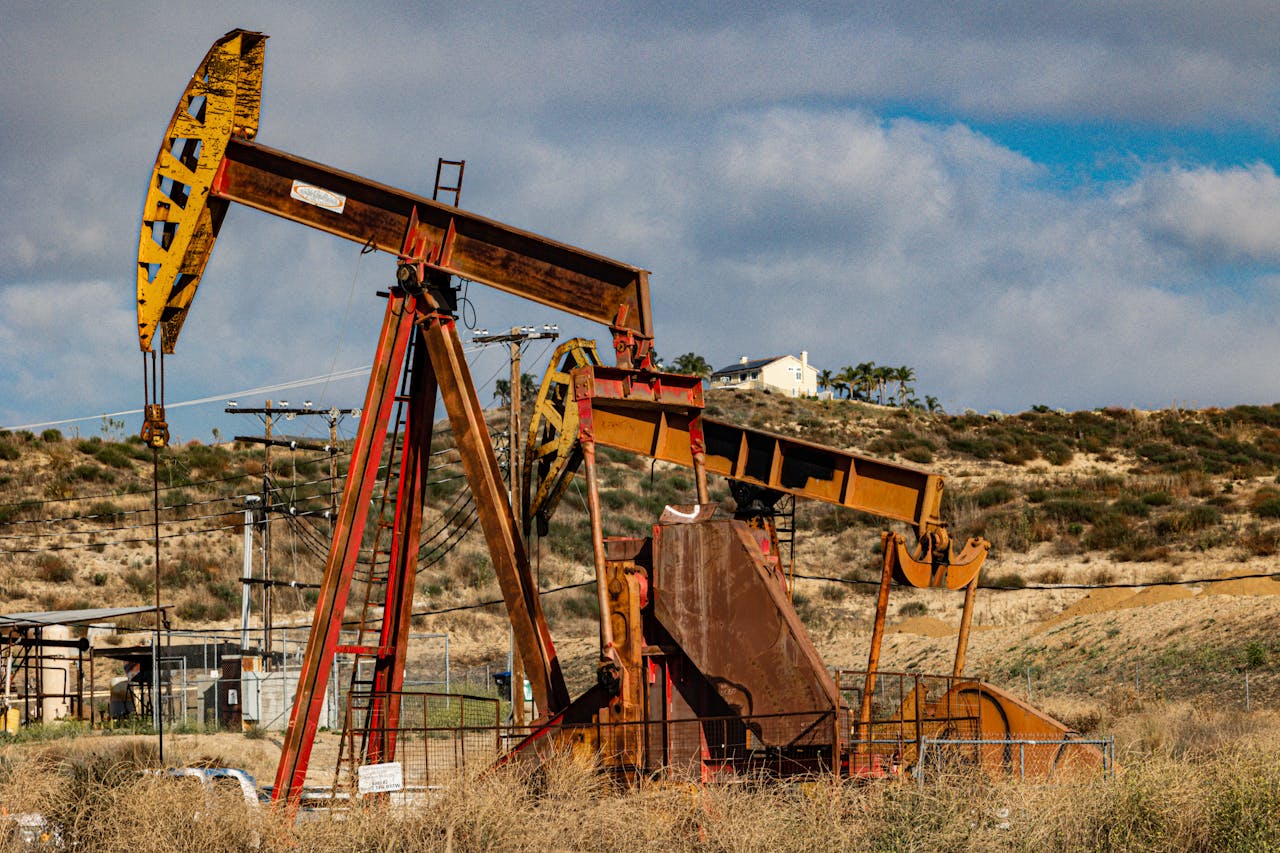
In the U.S., the number of active oil rigs fell by one to 473, the lowest since January, according to Baker Hughes. The decline signals that producers are prioritizing cost-cutting measures, potentially limiting domestic output growth in the coming months.
Overall, oil markets remain cautious, with global trade dynamics, Middle East diplomacy, and supply constraints all playing a role in shaping near-term price direction.