


 Moonshot AI Executives Seek Settlement Ahead of Hong Kong IPO
  TSMC Profit Set to Surge 65% as AI Chip Demand Drives Record Earnings
  Epic Games Delays Disney Shooter, Shifts to AI-First Development
  Apple Supplier Luxshare Faces US Patent Probe, Sees Limited Impact
  Albertsons Seeks $9.3 Billion From Kroger Over Failed Merger
  Samsung, SK Hynix Shares Plunge as China Chip Competition Grows
  Samsung, SK Hynix Shares Fall as China's CXMT Advances DRAM Technology
  Robinhood Chain Eyes Priority Gas Auctions for Faster Trades
  Zcash Plans Quantum-Resistant Security Upgrade for January
  Visa Wins China Approval to Prepare Domestic Payments Expansion
  TSMC Q3 Revenue Beats Estimates as AI Chip Demand Surges
  Elon Musk Donates $366 Million to 2026 US Midterms
  Bumble Shares Surge 50% on $1 Billion Buyout Talks
  Amazon in Talks to Acquire AI Startup Decart for $7 Billion
  Amazon Cuts More Jobs as AI Investment Expands
  OpenAI Revenue Hits $50 Billion, Below Earlier $70 Billion Estimate


 Add as a preferred source on Google
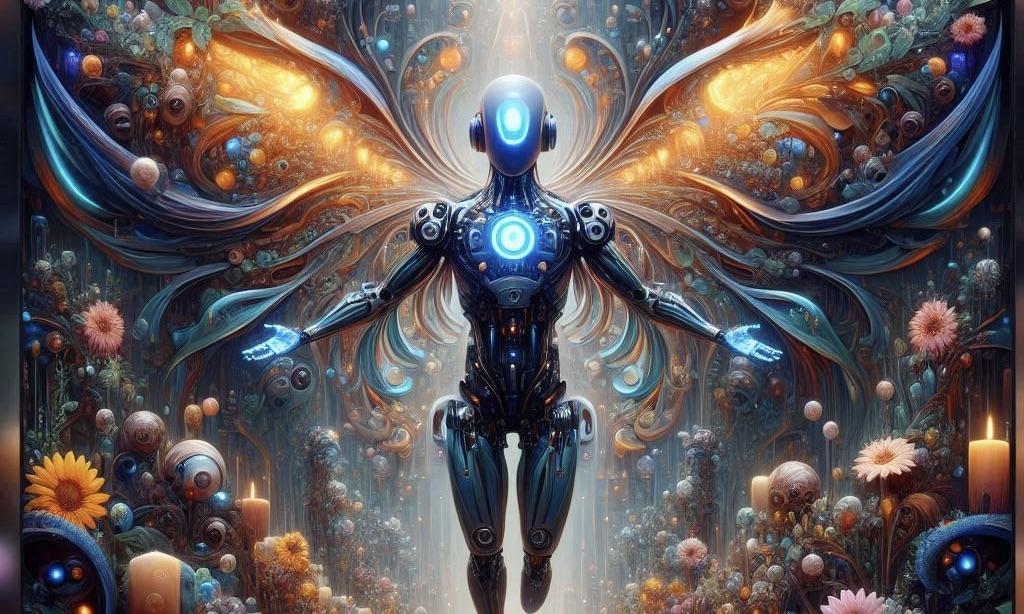
OpenAI has expanded its DALL-E 3 image generation feature to ChatGPT's free users, allowing them to create up to two images daily. This move marks a significant shift in accessibility, as advanced features previously exclusive to paid subscribers are now available to a broader audience.
OpenAI Expands Access to DALL-E 3, Bringing Advanced Image Generation to ChatGPT Free Users
Since its inception, OpenAI has been enhancing its AI tool by incorporating new features and continuing to evolve the technology. Typically, ChatGPT Plus subscribers have access to a broader range of features and can experience a more significant number of capabilities than free users. Nevertheless, according to the information given by Wccftech, this trend is evolving, as numerous enhancements previously exclusive to premium users are now accessible to those on the free plan. The company's DALL-E 3 feature is purported to have pursued a similar path recently.
An artificial intelligence model, DALL-E 3, produces images generated from text descriptions. In September of last year, OpenAI introduced its DALL-E 3 model, which attracted considerable attention for its ability to generate more detailed images, achieve higher resolution, and comprehend prompts more effectively. Although the tool is regarded as one of the most effective for AI image generation, it was previously exclusively available to ChatGPT Plus users. This may evolve in light of the organization's recent announcement of an additional advancement.
OpenAI Expands DALL-E 3 Access to Free Users with a Two-Image Daily Limit on ChatGPT
Recently, OpenAI intended to extend the DALL-E 3 capabilities to ChatGPT-free users at X (formerly Twitter). This expansion will enable users to generate up to two daily images while utilizing the tool. The tool will handle the remainder; you need to provide a prompt that elucidates the type of image you desire, as stated in their post:
“Just ask ChatGPT to create an image for a slide deck, personalize a card for a friend, or show you what something looks like ‘and it will make it for you.’”
Although restricting two images per day may hinder content creators who plan to utilize the tool for their creative endeavors, it represents a positive and imminent advancement in expanding these features and tools to the free-tier user base.
OpenAI's GPT-4o has significantly altered the experience of free users, enabling them to access additional previously exclusive features to paid subscribers, such as image analysis and coding. The most potent ChatGPT model yet is available to free users, who can utilize the platform for their diverse requirements. The only restriction is a daily usage limit.
By extending this exceptional premium feature to free users, OpenAI is taking a new, more inclusive approach that enables many users to access their advanced tools, even if they are subject to a limit.







