Though it’s been almost half a decade since the COVID-19 pandemic redefined life, its shadow still lingers. Reactionary policies at every level of government bear their mark. The debate about working from home remains divisive. For every industry the pandemic changed for the better, it changed others for the worse.
COVID’s effect on healthcare has been mixed, to say the least. It disrupted our entire approach to caring for the community and caring for ourselves. At the time, many changes felt abrupt, rushed. With hindsight, many now feel critical, essential.
How did the COVID-19 pandemic change healthcare? Let’s unpack this often-complex, often-complicated topic together.
Fighting burnout: The labor force changes
Despite healthcare being a key cog in a thriving community, pockets of the public still take it for granted. When COVID-19 took hold of matters, this luxury of indifference was largely lost. Suddenly, everyone needed healthcare workers more than ever. And while they performed their duties diligently as always, the toll on their well-being was acute.
At the height of the pandemic, it was impossible to replenish staff numbers affected by the virus. It meant hospitals, clinics, and other care settings were stretched at all times. Burnout was the result.
When healthcare workers burn out, the quality of care for the community drops. It also becomes more expensive. Fewer available physicians, for example, make the demand for them rise. Along with appointments being more expensive, wait times increase. It’s a trend that only moves in one direction unless the workforce replenishes itself.
A stable supply of future healthcare workers will come through the industry, driving enrolment in general and specialized roles across the board. Fast-tracked study options, like online accelerated BSN programs, allow qualified workers to enter the industry at a time when fears of mass retirement through burnout are very real.
Like any other industry, healthcare should approach the issue of burnout holistically. Proper patient care comes through staff receiving equally proper treatment; get this balance right, and both sides are better off.
Digital care: The rise of telehealth
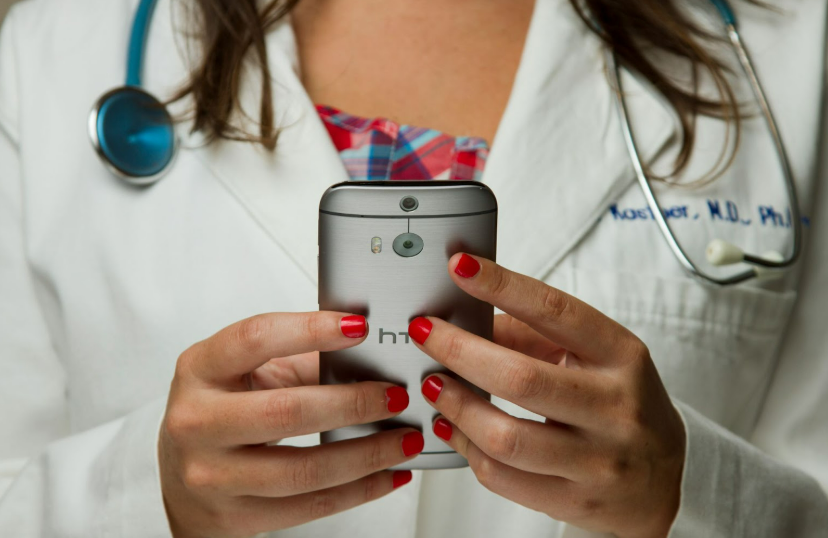
Given we filter so much of our lives through screens now, it’s interesting that it took a global pandemic for telehealth to gain traction. Like the rise in working-from-home options for office roles and the flexibility that came with these options, telehealth was a right-place, right-time option for many people. For obvious reasons.
Post-pandemic, it still presents people with an option that suits their situation. If your GP lives three hours away, being able to attend an appointment over your phone or device from your living room has benefits on many levels. One, you’ve avoided a tiring round trip, and two, there’s comfort in having a consultation from the comfort of your home, away from a clinical setting that often induces anxiety.
The flipside to this convenience is the lack of connection for both sides. Connection is a critical element in healthcare. There’s no substitute for the kind of care, advice, and support a doctor or nurse can give in person; technology will never surpass this level of human connection.
Division: Healthcare’s politicization
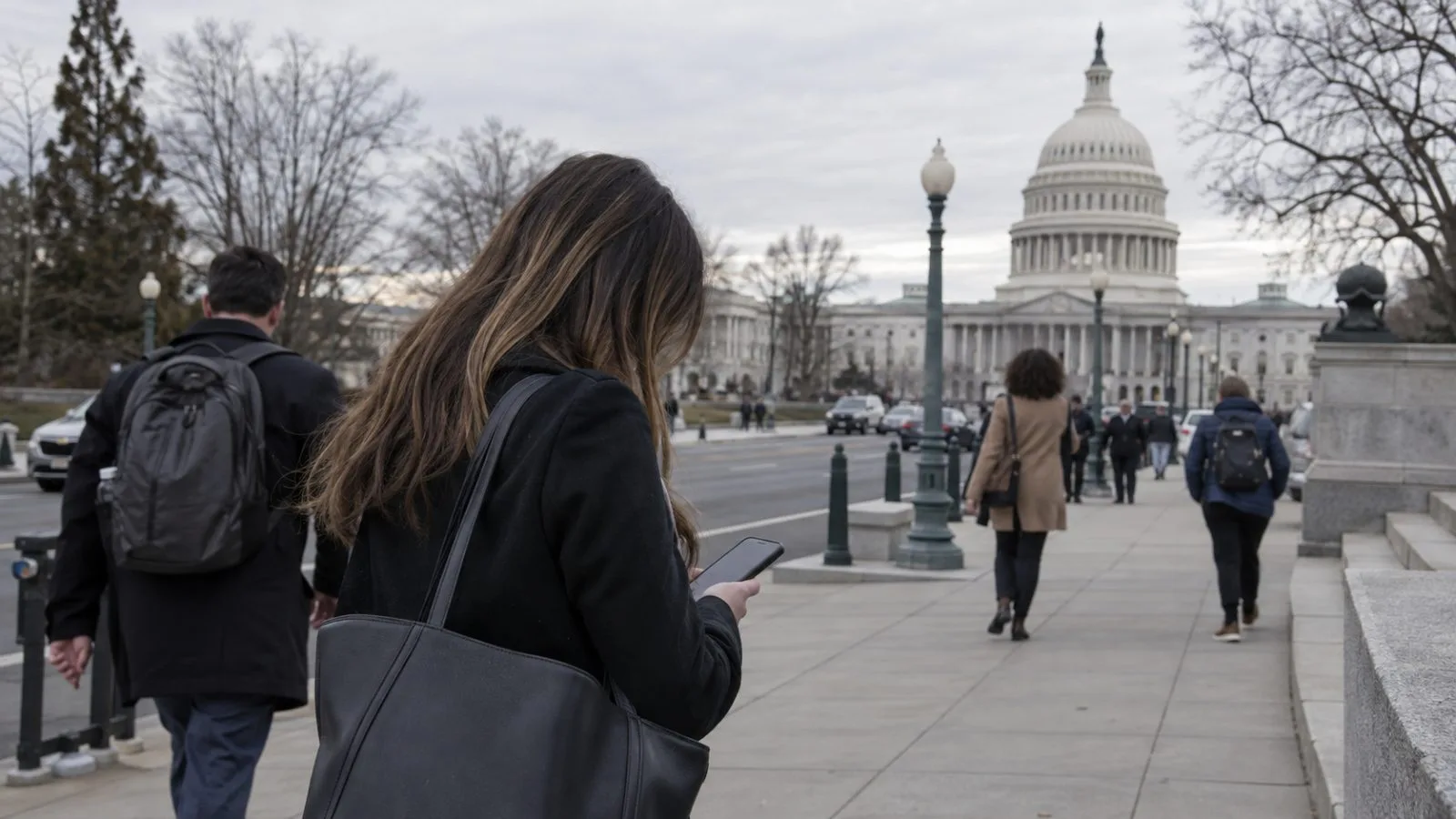
The change that stands to have the longest effect on healthcare is its rapid (and rabid) politicization. Right from the onset of the pandemic, the decisions made by the healthcare establishment were viewed with suspicion and mistrust by members of the community, often for the simple reason that they didn’t support the ruling government at the time. In the end, both the Republicans and the Democrats shared time in charge while the pandemic unfolded.
The problem with healthcare becoming increasingly politicized is that evidence-based science gets lost or dismissed in the arguments that ensue between parties. It allows ignorance to flourish in a field where results don’t discriminate. A vaccine for measles will help a baby regardless of whether its parents vote red or blue. Again, a simple fact like this is lost in the noise.
Sadly, this division shows no sign of mending. Not in the near future, anyway. What will take longer to mend, possibly at everyone’s expense, is the collective trust in science. Only when science is placed back in the hands of scientists will its inherent value be recognized again.

Under pressure: Health system resilience
If we learned anything from the pandemic, it’s that we’re a resilient bunch. Despite most industries grinding to a halt, the healthcare industry went into overdrive. It’s an understatement to say it was pushed to its limits; the truth is, those limits were never defined or considered. An unrelenting tide of ill citizens arrived at the doors of every clinic they could reach. And rather than turn them away when there wasn’t a bed spare, we took them in and cared for them. Last time we checked, that was our job.
The vaccine response was equally strong. Given the pandemic’s rapid spread, pharmaceutical companies were able to develop doses that greatly limited the virus’s ability. Less an industry change and more a reminder of this resilience.
In this instance, change concerns the distribution of vaccines, should another pandemic happen. The freight industry wasn’t immune to the pandemic; anyone bitten by the online shopping bug during this time can attest to this fact. Moving forward, healthcare will need to develop robust and reliable supply chains. An efficient, responsive supply chain will ensure vaccine research is optimized.
While it’s impossible to distill the COVID-19 experience into a single takeaway, one point we must make is that there are still lessons to be learned. Medical events from history have influenced long past their actual windows; the COVID-19 pandemic will be no different. All we can hope for is that these lessons are acted upon and not simply talked about.
Moving forward, it’ll take an alignment between elected officials, the healthcare industry, and the communities they both serve. A healthcare industry that operates on a different page from the people it cares for is an industry limited by this difference. If fate delivers another pandemic, it’ll take all of us to thwart it.