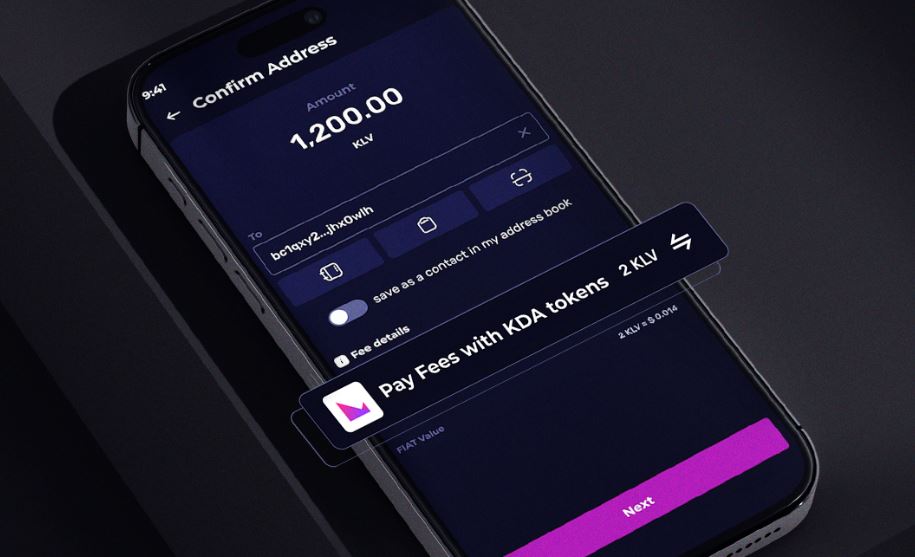
Blockchain fees are a fundamental aspect of maintaining the integrity and functionality of blockchain networks. Traditionally paid in the native cryptocurrency of the network, these fees compensate for the computing energy required to validate and record transactions. The Klever Blockchain introduces a novel approach by allowing fees to be paid with KDA Tokens straight from your crypto wallet, broadening the utility and accessibility of the network.
Understanding Blockchain Fees
Transaction fees in blockchain networks serve multiple purposes, including deterring spam attacks and rewarding miners or validators. These fees vary based on network congestion and the complexity of the transaction. Traditionally, users pay these fees using the blockchain's native token, which can sometimes limit flexibility and utility for users holding various digital currencies.
Introduction to Klever KDA Tokens
Klever Decentralized Tokens represent a key component of the Klever ecosystem, designed to provide users with additional utility and flexibility. Unlike traditional blockchain assets, the KDA Tokens offer a unique value proposition by being utilized directly for transaction fees on the Klever Blockchain, among other uses.
The decentralized nature of the Klever Blockchain facilitates the creation of diverse projects by its community, leveraging KDA tokens. Notable examples include DexBet, Kunai Kash, CHIPS, and KleverKid. These projects illustrate the flexibility and utility of KDA tokens within the ecosystem, showcasing the broad range of applications from gaming to finance that can be developed using JavaScript, Go Lang, and .NET, making it accessible for developers with various backgrounds to start building on the platform.
For tutorials and to begin your next project, you can visit the official documentation at docs.klever.org. This inclusivity in programming languages facilitates the creation of diverse and innovative projects within the Klever ecosystem, contributing to its growth and dynamism.
The New Fee Payment System with Klever KDA Tokens
The Klever Blockchain's new system allows for a seamless integration of Klever KDA Tokens for the payment of transaction fees. This integration is facilitated through the creation of pools between KLV, the native token of Klever, and KDA Tokens. Such a mechanism ensures that while KDA Tokens can be used for transaction fees, the deflationary aspect of KLV is maintained through a burning mechanism, striking a balance between utility and value preservation.
Benefits of Paying Fees with Klever Native Tokens
Paying fees with KDA Tokens offers several advantages, including increased flexibility for users and enhanced utility of the tokens within the ecosystem. This method not only simplifies transactions for users holding diverse portfolios but also contributes to the overall liquidity and utility of KDA Tokens. Moreover, it supports the Klever ecosystem's growth by providing a practical use case for KDA Tokens beyond project utilities.
How To Create KDA Token In 19 Seconds 🙃@klever_io #KleverFam @KleverChain https://t.co/kvT6DiPYle pic.twitter.com/MhXXNEO5Is
— BlockPort (@Blockportme) May 9, 2023
If you're interested in creating your own token, memecoin or stablecoin, KleverChain makes it simple for you. Create your own asset in only 19 seconds.
Impact on the Klever Ecosystem
The introduction of tokens like KID, CHIPS, KUNAI, and others on the Klever Blockchain, alongside the ability to pay fees with KDA tokens, impacts the KLV burning mechanism by maintaining its deflationary aspect. While allowing fee payments with KDA tokens, the system ensures that a portion of KLV is still burned, preserving the token's value by reducing its overall supply. This approach balances expanding utility and retaining the deflationary features that contribute to the token's long-term value.
The Klever Blockchain's innovative approach to fee payment using KDA Tokens marks a significant step forward in enhancing blockchain utility and flexibility. This development not only benefits users by offering more options but also strengthens the Klever ecosystem by integrating a practical use case for KDA Tokens. As blockchain technology evolves, such innovations are crucial for improving user experience and expanding the technology's adoption.
For more information about Klever and other promising blockchain projects, keep up with econotimes insights.
This article does not necessarily reflect the opinions of the editors or management of EconoTimes.