


 North Korea Fires Ballistic Missiles Amid Rising Tensions With South Korea
  Trump Defends Russian Diesel Deal Amid US Sanctions Backlash
  Trump Plans White House Shake-Up of Key AI Safety Agency
  US Condemns China Sanctions on Taiwan Allies Belize and Paraguay
  Russian Strikes Kill Six in Ukraine, Including Three in Kharkiv
  Brazil Election: Lula and Bolsonaro Rally Ahead of October 25 Runoff
  Panama Declares Emergency After 7.7 Earthquake Triggers 200 Aftershocks
  Greenland Lawmakers Back Trump Security Deal Despite Economic Concerns
  Most Americans Oppose Election Betting on Prediction Markets, Poll Finds
  US Judge Blocks Trump Administration’s Taxpayer-Funded Political Ads
  Djibouti Migrant Boat Capsizes, Killing 139 and Leaving 84 Missing
  Yandex Data Center Hit by Drone Strike as Russia-Ukraine Cyber Infrastructure Attacks Escalate
  US Authorities Raid Ilhan Omar’s Home Amid Immigration Fraud Probe
  Trump Calls for Zelenskyy Replacement Amid Russian Diesel Deal
  Trump Announces Russia-Ukraine Energy Ceasefire as Zelenskiy Awaits Details
  Kim Jong Un Showcases ICBM Ahead of Possible Trump Meeting


 Add as a preferred source on Google
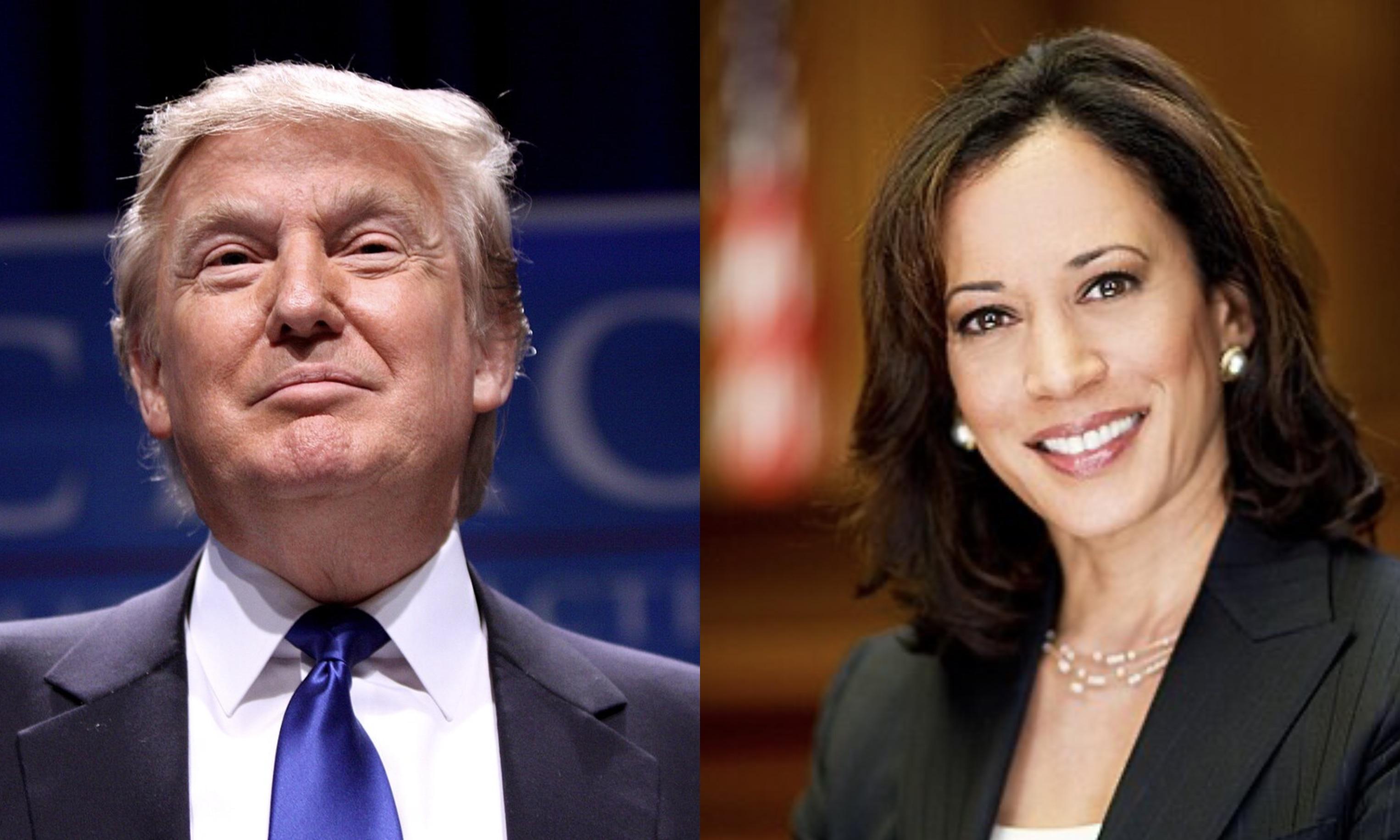
With the 2024 presidential election fast approaching, political analysts and pollsters are sounding the alarm: Pennsylvania is the key battleground state that will likely determine the next president of the United States. Both Vice President Kamala Harris and former President Donald Trump are pouring their time and resources into the state, which is seen as critical to winning the 270 electoral votes required for victory.
A new analysis by Decision Desk HQ reveals that the winner of Pennsylvania has an 85% chance of becoming the next president, a figure that underscores the state’s pivotal role in this election cycle. “We do not project either candidate reaching 270 electoral votes without winning Pennsylvania, which is currently a dead tie,” the report states.
Scott Tranter, director of data science at Decision Desk HQ, emphasized the importance of the Keystone State in a memo, saying, “Whoever wins Pennsylvania has an 85% chance of being the next president.” Polling data gives Harris a slight edge, with a 52% chance of winning Pennsylvania and the presidency. However, the race remains razor-thin, with Harris leading by just one point in the state’s polling average.
The most controversial aspect of this analysis is the state’s near-certainty in determining the election outcome. Pollsters explain that Pennsylvania’s political makeup—a blend of Democratic urban centers like Philadelphia and Republican rural areas—makes it an incredibly tight race. Moreover, its 19 electoral votes, combined with historical voting trends shared with Michigan and Wisconsin, make it a bellwether for the overall election.
“Generally speaking, as Pennsylvania goes, so goes Michigan and Wisconsin,” Tranter said, pointing to the states’ tendency to vote in alignment. This trend means that Harris and Trump must win Pennsylvania if they hope to secure victories in the other crucial Midwestern states.
Though alternate pathways exist, losing Pennsylvania would force both candidates to win states where they are currently trailing. Harris would need to secure North Carolina or Georgia, each with 16 electoral votes, while Trump would need to perform well in battlegrounds like Arizona, where he leads by a small margin.
The fierce battle for Pennsylvania reflects the candidates’ acknowledgment of its critical role. Trump has held more rallies in Pennsylvania than in any other state, while Harris has made significant campaign appearances, even spending five days in Pittsburgh to prepare for her only debate against Trump.
In recent elections, Pennsylvania has proven decisive. Biden’s 2020 victory hinged on winning Pennsylvania, and Trump’s surprise 2016 win was fueled by his strength in the state’s rural counties. Analysts warn that whoever fails to win the state may struggle to secure enough electoral votes elsewhere.
As Election Day nears, the eyes of the nation are fixed on Pennsylvania. Both campaigns have already spent over $350 million on advertising in the state, reflecting its significance as the ultimate prize. With the stakes higher than ever, Pennsylvania could very well decide the fate of the 2024 election.







