


 Oman Proposes Strait of Hormuz Plan as U.S. Rejects Iran Shipping Fee Idea
  Suez Canal Shipping Faces New Risk After Drone Strike on Gas Tankers in Egypt
  US Watchdog Finds State Department Struggled After USAID Shutdown Takeover
  Lebanon Lawyers Seek Probe Into Banker Over Alleged Netanyahu Dinner in Washington
  Spain Deploys Troops as Ceuta Faces Major Migrant Surge From Morocco
  FCC Moves to Ban Imports of Foreign Military-Grade Drones Over Security Risks
  Trump Announces 100% Tariff on Generic Drug Imports Starting in 2028
  Trump Administration Imposes New Forced Labor Tariffs on 60 Trading Partners
  NTSB Leads Investigation Into Ryanair Boeing 737 Engine Failure Over Greece
  Trump, Zelenskiy Discuss Patriot Missile Production and Ukraine Peace Talks
  Brazil Supreme Court Approves Probe Into Lula’s Son Over Health Ministry Lobbying Claims
  Trump Administration to Ban Chinese Robots, Power Inverters Over AI Security Concerns
  Warner Bros. Discovery Shares Rise as Newsom Pushes Settlement in $110 Billion Merger Fight
  Trump-Backed Russia Sanctions Bill Faces House Hurdles Over Tariff Powers
  US Investigates Moonshot Over Alleged Use of Advanced AI Chips and IP Theft
  Ukraine’s drone strikes are having an impact on Russia — but Russian leaders remain committed to war


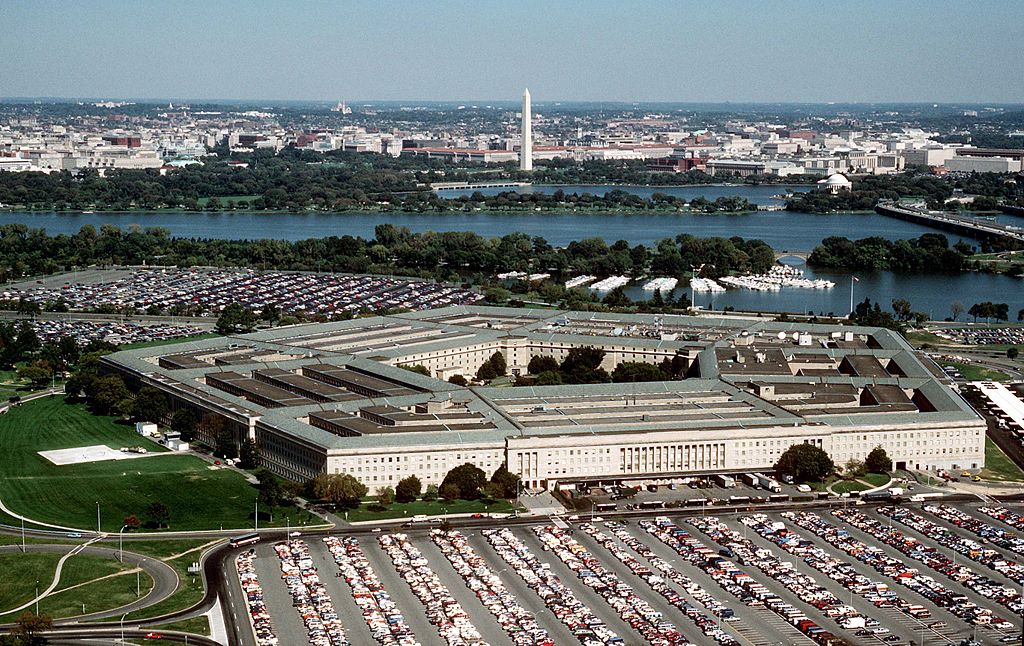
Dozens of journalists covering the U.S. Defense Department vacated their Pentagon offices this week after new restrictions on media access took effect, marking a major shift in how reporters interact with the military. The Defense Department imposed a deadline for outlets to sign a new Pentagon access policy or lose credentials and workspace privileges. At least 30 organizations—including Reuters—refused to comply, calling the policy a threat to press freedom and transparency.
The updated rules require journalists to acknowledge that they could be labeled as security risks and have their credentials revoked if they seek information—classified or certain types of unclassified—from Pentagon employees. The Pentagon Press Association, representing over 100 outlets, condemned the move as “a dark day for press freedom,” warning that it undermines public accountability and free speech.
Chief Pentagon spokesperson Sean Parnell defended the policy, saying it only requires acknowledgment, not agreement. “This has caused reporters to have a full-blown meltdown,” he said, insisting the policy protects troops and national security.
Reporters described the Pentagon’s press area as eerily quiet on Wednesday as teams dismantled offices and removed equipment. Veteran journalist JJ Green from WTOP noted he had “never seen that place not buzzing like a beehive.” Others, like Defense News’ Stephen Losey, stressed that reporters have always respected classified boundaries.
Despite the restrictions, many journalists vowed to continue reporting on U.S. military affairs. One Pentagon Press Association member noted the irony of the policy, saying, “We’re not discussing controlled information in hallways—we’re doing it over encrypted apps like Signal.”
The new rules reflect growing tension between the Pentagon and the press under Defense Secretary Pete Hegseth, a former Fox News host—whose own network has also refused to sign the policy.







