


 Trump Warns Houthis Over Attacks, Considers Erdogan Intervention
  Trump Sanctions International Criminal Court, Sparking EU Backlash
  NATO Commander Warns Russia of Devastating Response to Attack
  Greenland Lawmakers Back Trump Security Deal Despite Economic Concerns
  Flavio Bolsonaro Backs Brazil’s 40-Hour Workweek Reform Ahead of Runoff
  Trump Defends Russian Diesel Deal Amid US Sanctions Backlash
  Pakistan Declares Emergency in Khyber Pakhtunkhwa, Suspends Imran Khan’s PTI Government
  US Authorities Raid Ilhan Omar’s Home Amid Immigration Fraud Probe
  US Recalls Nicaragua Envoy After Ambassador Rejection
  Djibouti Migrant Boat Capsizes, Killing 139 and Leaving 84 Missing
  MI5 Warns of Rising Iran, Russia Threats and AI Bioweapon Risks
  Trump Denies Russia and China Are Helping Iran in U.S. Conflict
  Trump Announces Russia-Ukraine Energy Ceasefire as Zelenskiy Awaits Details
  North Korea Fires Ballistic Missiles as Tensions With South Korea Escalate
  US Senate Midterms 2026: Key Races That Could Flip Control
  Panama Declares Emergency After 7.7 Earthquake Triggers 200 Aftershocks
  US Condemns China Sanctions on Taiwan Allies Belize and Paraguay


 Add as a preferred source on Google
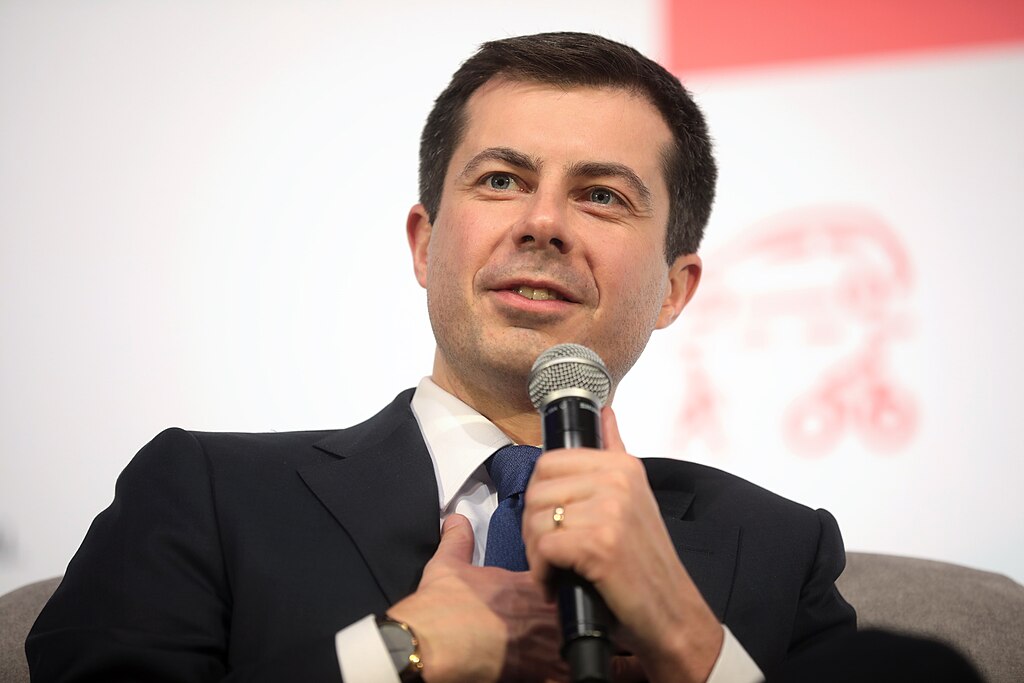
As Secretary of Transportation Pete Buttigieg continues to navigate America’s infrastructure and transportation policies, his financial portfolio has attracted attention. In 2024, Buttigieg’s net worth is estimated to range from $750,000 to $1.5 million, according to public financial disclosures. While not as wealthy as some of his colleagues in the Biden administration, Buttigieg’s financial growth has nonetheless sparked curiosity, especially considering his relatively short time in the national political spotlight.
Buttigieg’s rise to political fame began as the mayor of South Bend, Indiana, where he served from 2012 to 2020. His two terms as mayor, combined with his educational background, military service, and presidential run, have paved the way for his current role in President Biden’s Cabinet. Despite a public servant’s salary, Buttigieg has been able to grow his wealth through strategic investments, book deals, and speaking engagements.
A significant portion of Buttigieg’s financial success can be traced back to his bestselling memoir, Shortest Way Home, published in 2019. The book, which chronicles his life, political philosophy, and time as mayor, became a national sensation during his 2020 presidential bid. The royalties and sales from the memoir have provided a considerable boost to his net worth.
In addition to his book deal, Buttigieg has earned income from various speaking engagements, where his popularity as a young, articulate, and forward-thinking politician has made him a sought-after speaker. His financial disclosures reveal that he has also invested in a diversified portfolio of stocks and bonds, further bolstering his net worth.
However, Buttigieg’s financial growth has not been without controversy. Critics have questioned how someone with a background in local government, particularly as the mayor of a mid-sized city, could amass such wealth in a relatively short time. These critics argue that his rise in political stature and financial success may raise ethical questions, especially as he continues to navigate high-stakes transportation policies that could potentially benefit wealthy corporations.
“Pete Buttigieg’s financial success is impressive, but how did the Secretary of Transportation accumulate so much wealth so fast?” has become a recurring question among political commentators. Despite the scrutiny, Buttigieg’s supporters point to his intelligence, hard work, and his ability to capitalize on opportunities like book deals and investments, all while maintaining his commitment to public service.
Buttigieg’s military background, having served as a Navy intelligence officer in Afghanistan, along with his academic achievements at Harvard and Oxford, have shaped his reputation as a well-rounded and capable leader. His financial standing, though modest compared to some of his Cabinet peers, still represents a level of success that adds to his growing influence in Washington.
As the Secretary of Transportation, Buttigieg oversees one of the most critical sectors in the U.S. government, managing the nation’s infrastructure, public transit systems, and federal transportation policies. While his net worth continues to rise, so does his political career, and the public’s fascination with his financial journey shows no signs of fading.
In 2024, as he continues to steer America’s transportation future, Pete Buttigieg’s personal fortune serves as a reminder of his rapid ascent from small-town mayor to national figure—one who is steadily building both political capital and personal wealth.







