


 FDA Weighs Safety Standards for Psychedelic Therapies
  Gold Prices Fall as Stronger Dollar Weighs on Bullion
  China Shuts 670 Banks as Bitcoin Eyes Financial Risks
  Zcash Prepares for NU7 Upgrade as Zebra Gets Key Security Fixes
  Gate Launches Gate Money as Crypto Super App Race Heats Up
  Litecoin Marks 15 Years as Grayscale Backs LTC ETF Push
  Marvell Stock Surges on $90 Billion AI Revenue Outlook
  Paramount Skydance Completes $110 Billion Warner Bros Discovery Deal
  Japan Real Wages Rise 1.5%, Supporting BOJ Rate Hikes
  AstraZeneca Q2 Earnings Beat Forecasts as Oncology Growth Supports 2026 Outlook
  Novo Nordisk Strikes €1.17 Billion Nanexa Drug Delivery Deal
  GSK Unveils $2.52 Billion Cost-Cutting Plan to Accelerate Drug Pipeline
  Nomura Asset Management Targets Global Investors as Japan Markets Gain Appeal
  New Mexico Measles Outbreak Cost Reached $5.4 Million, Study Finds
  Europol Warns Bitcoin Wallets Face Quantum Computing Risk
  Trump Signs Order to Cut Routine Childhood Vaccines


 Add as a preferred source on Google
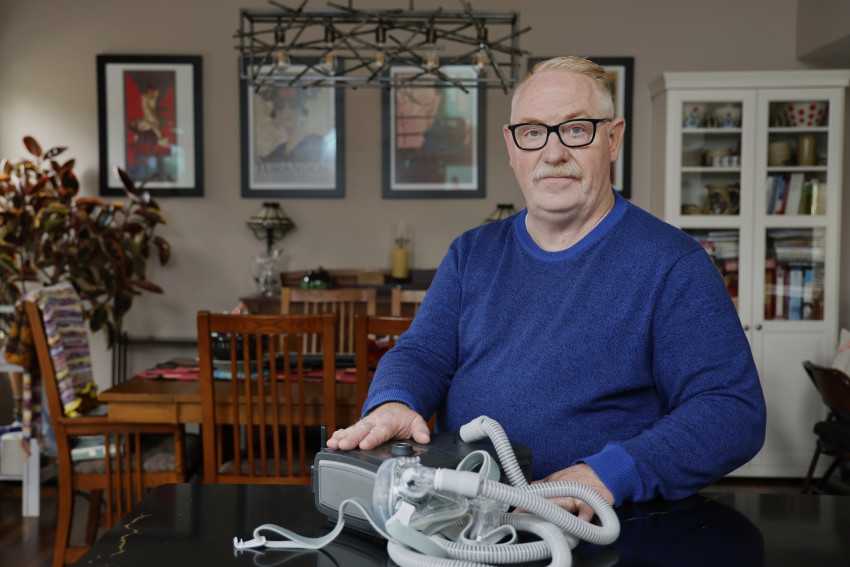
US officials are weighing legal action to speed up replacements of millions of recalled Philips apnea machines, which force air through a mask to keep passageways open during sleep.
In June 2021, Philips warned that sound-dampening foam in the continuous positive airway pressure machines, or CPAP machines, can break down over time, leading users to potentially inhale tiny black particles or hazardous chemicals while they sleep.
With the recall expanding to more than 5 million devices worldwide, Philips says the replacement effort will stretch into 2023.
Consequently, many patients now choose between using a potentially harmful device, trying risky remedies, or going without the therapy.
Untreated sleep apnea can cause people to stop breathing hundreds of times per night, leading to dangerous drowsiness and increased heart attack risk. The problem is more common in men than women, with estimates ranging from 10 percent to 30 percent of adults affected.
Doctors are having difficulty in helping patients find new machines, which generally cost between $500 and $1,000, and were already in short supply.
Risks from the foam include headache, asthma, allergic reactions, and cancer-causing effects on internal organs, according to the Food and Drug Administration.
Over 340 personal injury lawsuits against Philips have been consolidated in a Pennsylvania federal court and thousands more are expected in the coming months.
But an FDA inspection of Philips' Pennsylvania offices uncovered a spate of red flags last fall, including emails suggesting the company was warned of the problem six years before the recall.







