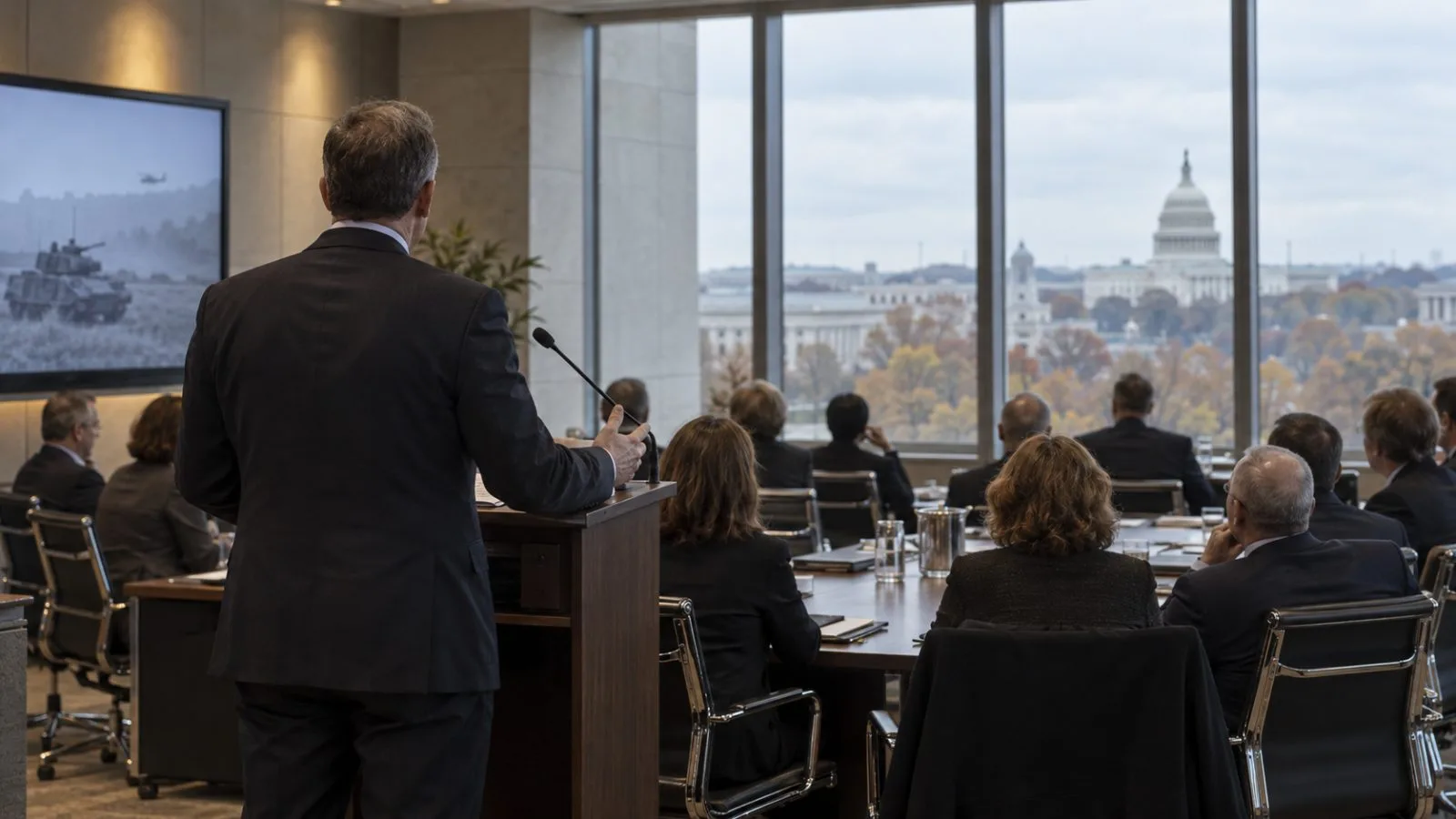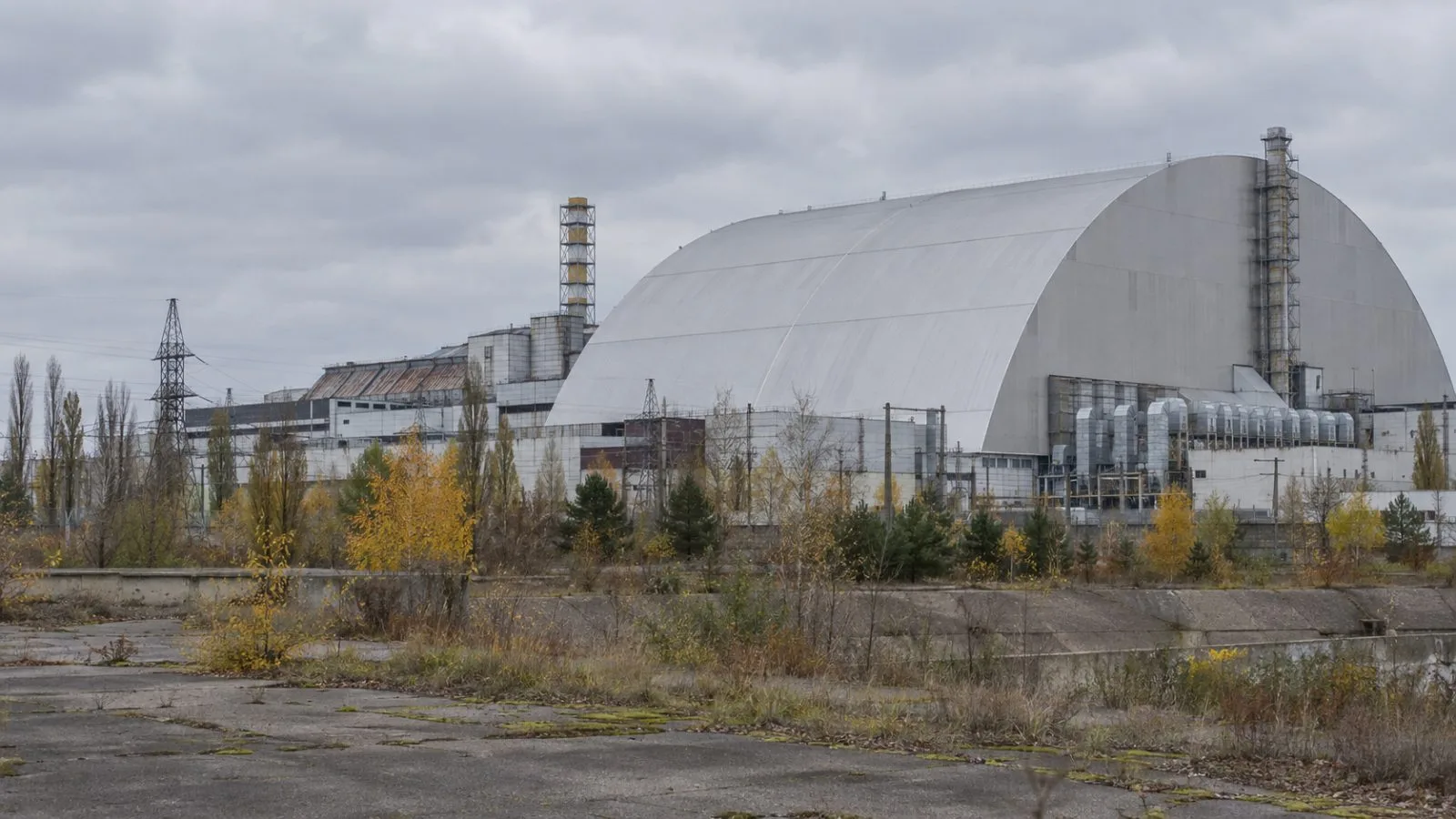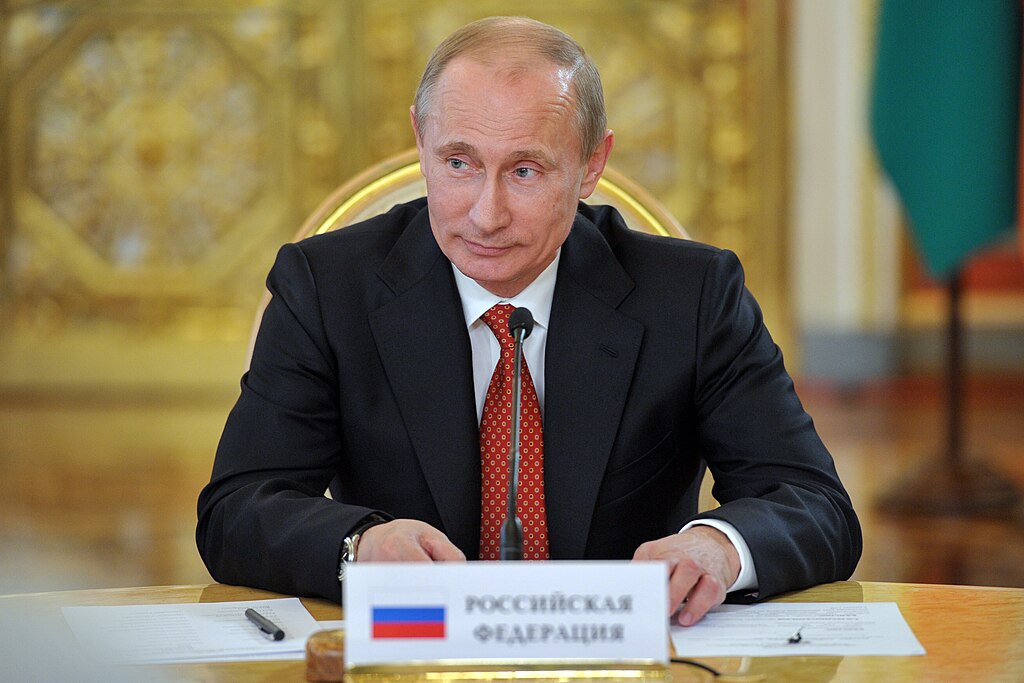
Russian President Vladimir Putin remained defiant after U.S. President Donald Trump imposed sweeping sanctions on Russia’s top oil companies, Rosneft and Lukoil, in a bid to pressure Moscow to end its war in Ukraine. The move, announced Thursday, sent global oil prices soaring by 5% and triggered a rapid response from key global buyers. Chinese state oil firms temporarily halted Russian oil purchases, while Indian refiners — the largest buyers of seaborne Russian crude — are expected to cut imports sharply, according to industry insiders.
The sanctions mark a dramatic reversal for Trump, who had recently announced plans for a peace summit with Putin in Budapest. Targeting two energy giants responsible for over 5% of global oil output, the move underscores Washington’s intent to cripple Russia’s wartime revenue streams. Despite the financial blow, Putin dismissed the sanctions as ineffective, warning that reduced Russian supply could further inflate oil prices, hurting Western economies. “No self-respecting country decides anything under pressure,” Putin asserted.
In response, Trump said he was “glad” Putin felt unaffected, adding, “We’ll see in six months.” The shift comes as Ukraine urges the U.S. and Europe for long-range missiles to counter Moscow’s offensive, while Putin cautioned that deeper strikes into Russian territory would provoke a “very serious” retaliation.
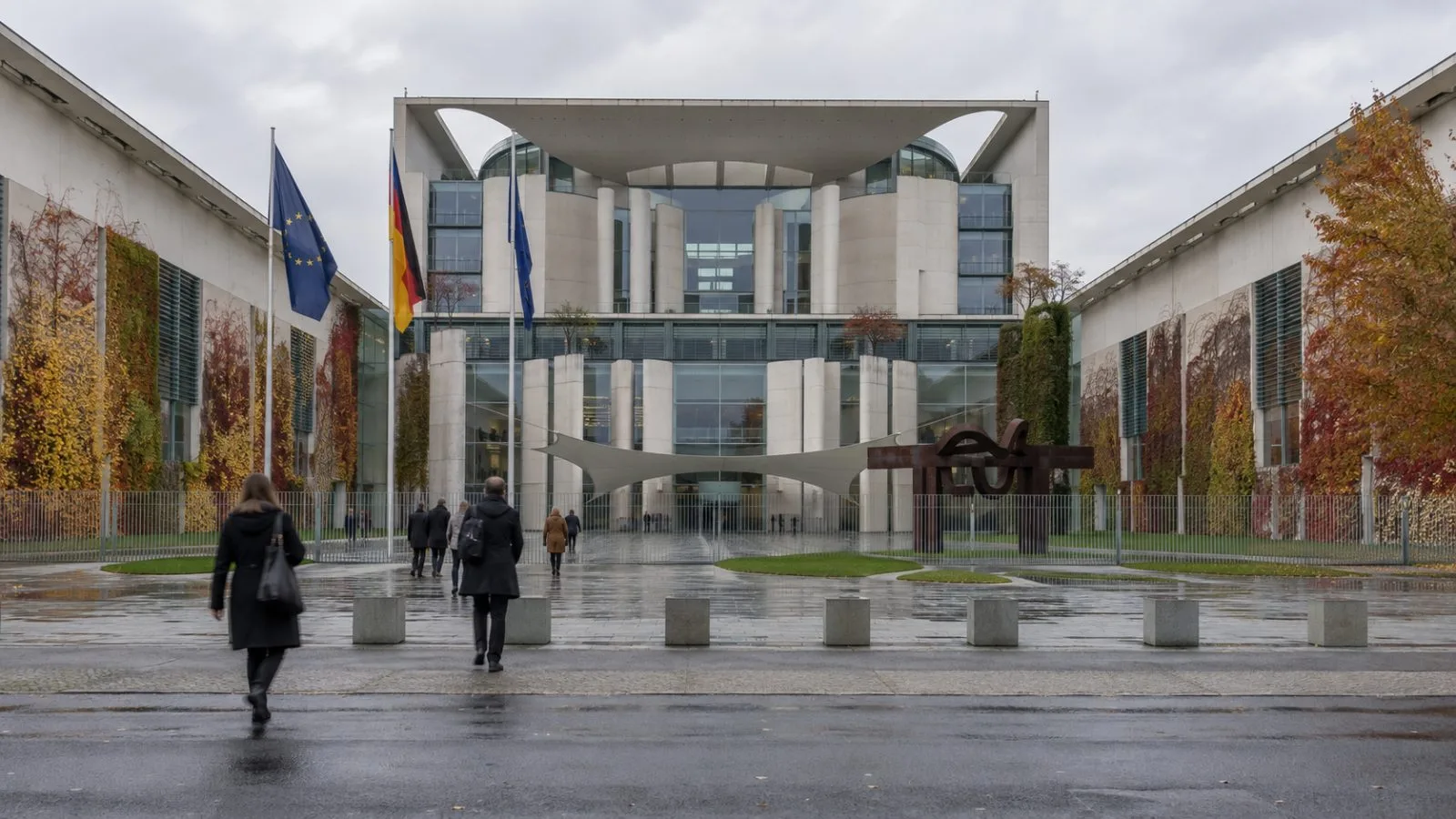
Meanwhile, the European Union unveiled its 19th sanctions package, banning Russian liquefied natural gas (LNG) imports and targeting Chinese refiners and Central Asian banks. Although the EU has slashed Russian energy reliance by 90% since 2022, it still imported over €11 billion in Russian energy in the first eight months of 2025.
Ukrainian President Volodymyr Zelenskiy welcomed the sanctions as “very important,” urging continued pressure to force Russia toward peace. Despite economic strain, Moscow’s budget remains partly shielded by its heavy taxation on domestic oil production, softening the sanctions’ immediate financial hit.