


 RBA Set for September Rate Hike as Inflation Stays High
  RBI Uses $10 Billion Currency Swaps to Drain Excess Rupee Liquidity
  Central Banks Could Buy 20,000 Tonnes of Gold: BofA
  Japan Factory Output Unexpectedly Falls 1.7% in August
  Oil Prices Jump Nearly 3% as Iran Holds Firm on Hormuz Conditions
  BOJ Set for 25-Basis-Point Rate Hike as Yen Weakness Fuels Inflation
  China, US Extend Trade Truce Through January 10 After Trump-Xi Summit
  China Industrial Profit Growth Slows as Weak Demand Offsets AI Gains
  Asian Currencies Weaken as Dollar, Oil Prices Rise
  South Korea Exports Set for 16th Monthly Gain on AI Chip Demand
  Japan Warns Markets Over Yen Weakness


 Add as a preferred source on Google
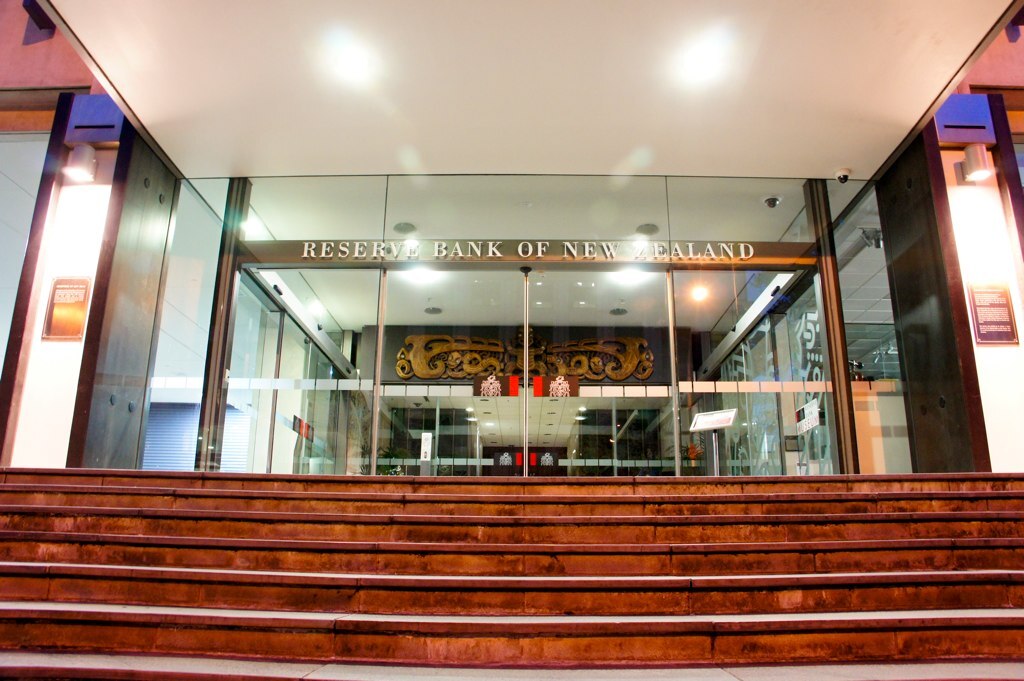
New Zealand’s central bank has lowered its Official Cash Rate (OCR) once more, signaling a continued effort to support the country’s uneven economic recovery. The Reserve Bank of New Zealand (RBNZ) reduced the OCR by 25 basis points to 2.25%, following a larger 50-basis-point cut just a month earlier. The decision aligned with market expectations and reflects growing confidence that easing inflation and spare capacity give policymakers room to stimulate growth.
According to the RBNZ, the Monetary Policy Committee voted 5-1 in favor of the rate cut. While some members considered keeping the OCR unchanged, the majority ultimately concluded that weakening economic activity and a subdued inflation outlook warranted additional support. Annual consumer inflation rose to 3% in the September quarter, reaching the top of the RBNZ’s 1–3% target range. However, both core and non-tradables inflation continued to trend lower, reinforcing expectations that price pressures will return to around 2% by mid-2026.
The central bank acknowledged that economic activity softened through mid-2025, with GDP contracting 0.9% in the June quarter. Still, officials noted that temporary statistical distortions may have exaggerated the slowdown. More recent data shows stabilizing domestic demand, improving household spending, and early signs of recovery in the labor market. The RBNZ also highlighted that lower interest rates are now filtering through the broader economy, with easing mortgage rates reducing financial strain on households. The New Zealand dollar’s decline since August has further supported export competitiveness.
Following the latest rate announcement, the NZD/USD pair surged more than 1% to $0.57, reflecting investor reactions to the policy shift. As the RBNZ continues navigating a delicate balance between supporting growth and managing inflation, its latest move underscores a commitment to sustaining New Zealand’s economic recovery while keeping price stability in sight.







