


 RBA Says ASX Still Falls Short on Governance and Risk Controls
  BOJ Signals Faster Rate Hikes as Inflation Risks Grow
  Fed Unveils Stablecoin Rules Under GENIUS Act
  Chainlink Price Drops 3% Despite New CCIP Vault Launch
  BlackRock’s Rick Rieder Favors Bonds Over Stocks as Treasury Yields Surge
  Evernorth XRPN Nasdaq Listing Delayed to October 12
  DogecoinVM Makes DOGE Transactions 300x Faster
  Dogecoin Liquidations Surge as DOGE Bulls Face Heavy Losses
  Cardano Hits Record 436 TPS as Network Scaling Advances


 Add as a preferred source on Google
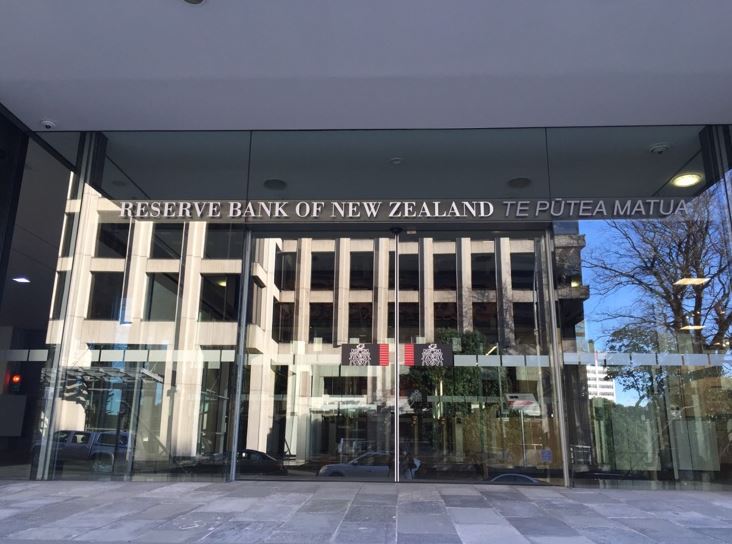
Some further easing from RBNZ in the OCR seems likely at this stage, adding this will depend on the emerging flow of economic data.
So let's have a glance on how has it reflected since the last rate cut and how does that set up the RBNZ for its decision later this month:
- NZD is gained about 1-3% against its major trading partners (AUD, CNY, and USD). The Fed surprised with unchanged rate and a dovish statement, for now a weak payrolls report has pushed back expectations of a hike further into 2016.
- Domestic data have been mixed - sentiment surveys remain weak
- Market concerns over China remain high but dairy prices saw the largest jump in five years at the last auction (Sep 15), though it was on diminishing supply but for now Fonterra's dairy products are struggling to produce
- The RBNZ released a staff paper estimating the nominal neutral 90 day bank bill rate to be 3.8-4.9% (the RBNZ's current estimate of neutral 90d rates is 4.5%).
The paper is seen by some as a signal that the RBNZ may be at or near the end of this cutting cycle. Rates are already 150 bps below neutral.







