Across various sectors, supply chains are susceptible to complex factors involving inflation, labor shortage, information technologies, political conflict, trade tensions, and much more. These issues may disrupt supply chain management from production and processing to sales and distribution, as observed in the vaping industry from 2020 to 2022.
A previous report explains that the shutdown of multiple factories in Shenzhen translated to a shortage of components like replacement pods and atomizer coils, ultimately straining the manufacturing of vape devices. Meanwhile, the regulatory environment in the United States that enacted taxes and shipping restrictions on vaping products hindered retail distribution and consumer access.
It is worth noting that besides the vaping industry, tobacco companies have also been facing supply chain constraints in recent years. In fact, notable tobacco giant Philip Morris International Inc. reported a decline in market value due to its limited ability to produce, trade, and distribute its products in light of the war in Ukraine. In June 2023, the company’s stock closed at $90.16 per share and recorded a 14.56% loss in share value. Considering the financial and productivity implications of such disruptions, it helps to look at the remaining supply chain issues in the tobacco industry and how companies can adapt by venturing into oral nicotine products as new offerings.
Ongoing Supply Chain Issues in the Tobacco Industry
The tobacco industry is slowly recovering from the increase in freight rates in 2020, as global container depots are now full and freight forwarders have better negotiating power over shipping lines. However, a Tobacco Reporter article points out that a trade slowdown will likely persist throughout 2023, mainly due to the ongoing Russia-Ukraine conflict that raised energy costs and minimized gas flows. More than 80% of world trade, which includes raw materials like tobacco, is seaborne, thus delaying about 7% of the goods in container ships. The labor and material shortages arising from strikes in the transport sector further compound these shipping challenges.
Additionally, regulatory changes compromise tobacco companies’ materials sourcing, processing, logistics, and retail, especially those of transnational tobacco and leaf companies or TTLC subsidiaries based in high-income countries. A 2023 article in the journal Nicotine & Tobacco Research notes that despite political interference, high-income countries can enact tobacco control measures to focus on protecting public health and the environment over economic priorities. Furthermore, high-income countries have more leverage when deciding whether or not to host the supply chains of TTLC subsidiaries since they have other sources of export revenue and foreign direct investment. These developments weaken the stronghold of corporations like British American Tobacco and Imperial Brands, affecting their production down the line.
Lastly, leakages in the tobacco supply chain can also come in the form of illicit trade. Research estimates that about 6-8.5% of global cigarette trade is illegal, as raw or cured tobacco that was left untaxed finds its way to consumers. This can cause a shortage of tobacco crops in tobacco-growing countries like China, India, and Brazil, ultimately increasing demand, competition, and prices among companies and subsidiaries. When the industry is forced to raise cigarette prices to account for these costs, this can also affect consumer demand and turn them away from tobacco products. Given these challenges persisting across various parts of the supply chain, companies are urged to explore oral nicotine products to remain resilient and minimize financial losses.
Oral Nicotine Offerings as a Potential Solution
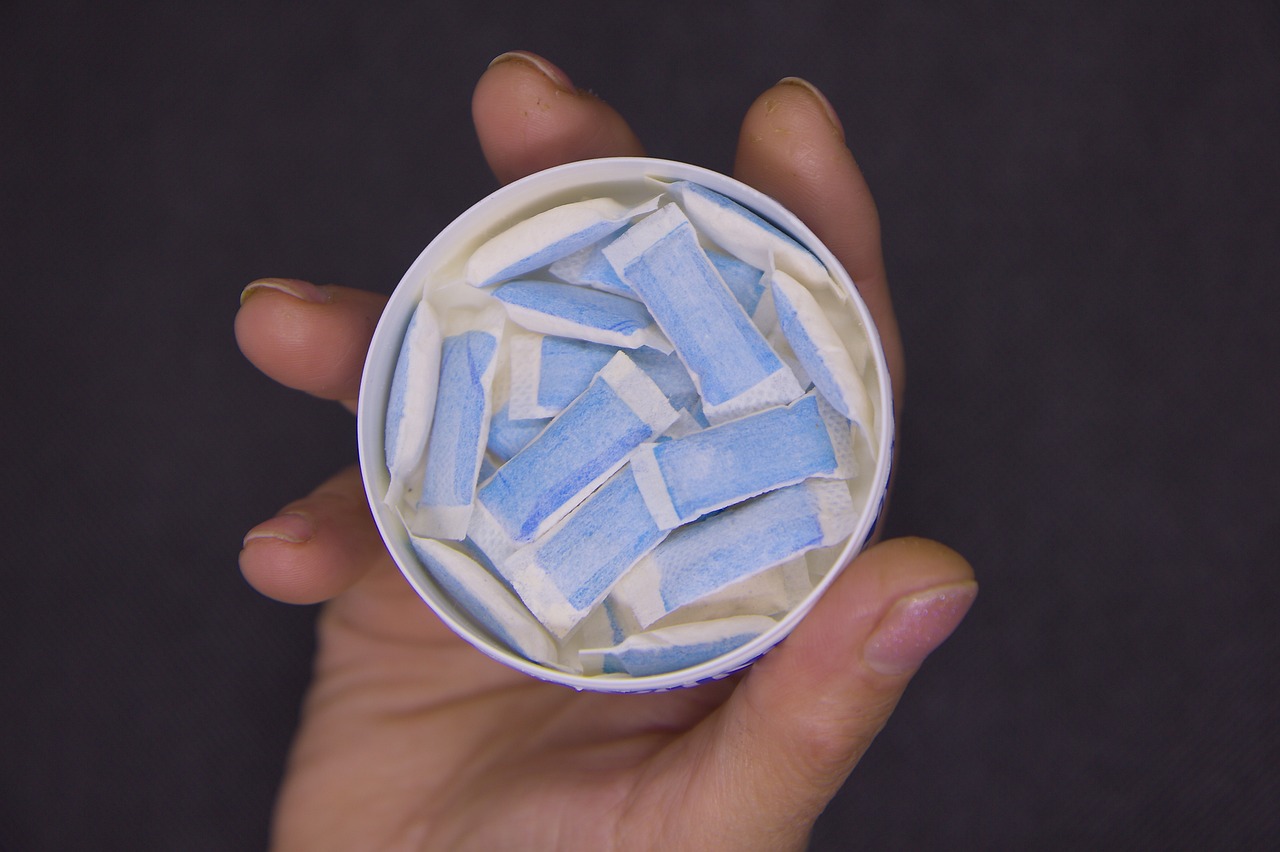
One advantage of tapping into oral nicotine products is the reduced reliance on tobacco-derived nicotine. Oral products like gums, lozenges, and pouches only need to supply low doses of nicotine and help smokers manage cravings. In this light, nicotine pouches from brands like ZYN, On!, Rogue, and VELO available on Prilla use synthetic, lab-produced nicotine to remain tobacco-free. This synthetic version shares similar properties with natural nicotine, appealing to smokers looking for the same nicotine experience or those trying to ease the cessation process. Aside from offering consumers a wide range of flavors and strength options, pouches also serve as harm reduction, thus addressing supply chain issues in countries that ban or restrict tobacco in light of public health concerns.
As a matter of fact, tobacco companies are already realizing the advantages of oral nicotine offerings to solve production issues, comply with public health policy, and capture a broader market. ITG Brands, a subsidiary of British multinational corporation Imperial Brands, has recently made a move to enter the oral nicotine market. The company previously focused on cigarettes, cigars, and vape products. However, its acquisition of nicotine pouches from Canada-based manufacturer TJP Labs in June 2023 sets the stage for its shift to modern oral offerings in 2024. Similarly, Philip Morris International completed its acquisition of Swedish Match to add smokeless oral products to its current portfolio.
Other Ways to Enhance Tobacco Supply Chain Management
Aside from expanding their current lineup to include oral nicotine products, tobacco companies can incorporate sustainability into their business models to relieve supply chain pressures. Countries with strict tobacco control laws are also concerned with the environmental harm of growing, farming, producing, and disposing of tobacco. Still, the industry can address this concern by reevaluating sourcing, manufacturing, and distribution processes. For instance, Reynolds American featured a pro-environment marketing campaign emphasizing the company’s zero-waste-to-landfill manufacturing facility.
Other companies invest in corporate social responsibility (CSR) by donating to and partnering with environmental organizations. However, CSR efforts are seen as a mere tactic to circumvent regulations and paint the brand in a good light. Instead of focusing on greenwashing to appeal to governments and public opinion, tobacco companies must ensure the reduction of their environmental footprint starts with their own business practices, such as adopting sustainable agriculture and water management techniques or pushing for a circular economy to recycle cigarette butts and reduce toxic waste.
In summary, tobacco companies have significant incentives to pivot to oral nicotine offerings, from logistical solutions to ongoing supply chain disruptions to economic gains brought about by a wider target market. Although this does not necessarily mean oral nicotine products won’t face their own supply chain issues, it still offers an alternative that addresses cigarettes' health and environmental harm, which are otherwise crucial factors to changing government and consumer attitudes towards tobacco. Stay tuned to EconoTimes for more business news and updates.
This article does not necessarily reflect the opinions of the editors or management of EconoTimes.