


 Stellar Overtakes Ethereum in RWA Fund Inflows as XRP Leads Commodities
  US Dollar Hits 18-Month High as Fed Signals More Rate Hikes
  Rising Rates Top Global Growth Risks as Wealthy Investors Favor Asia
  US Treasury Yields Ease After Strong 10-Year Auction as Global Bonds Struggle
  XRP Ledger Activates New Security Feature for Banks and Stablecoins
  Deere, CNH and AGCO Stocks Fall as FTC Launches Farm Equipment Probe
  RBI Raises Repo Rate to 5.50% in Hawkish Shift on Inflation Risks
  Bangladesh GDP Growth Accelerates to 4.6% on Industrial Rebound
  Moscow Exchange to Launch Crypto Trading on December 1
  US Dollar Rises for Fourth Week as Fed Rate Hike Bets Grow
  TSMC Q3 Revenue Beats Estimates as AI Chip Demand Surges
  David Schwartz to Reveal XRP Ledger Future at Ripple Swell 2026
  OpenAI Revenue Hits $50 Billion, Below Earlier $70 Billion Estimate
  European Stocks Fall as Oil Rises Ahead of Fed Minutes
  Elon Musk Accuses Indian Telecom Giants of Blocking Starlink Launch
  Asian Currencies Mixed as Yen Weakens, Dollar Holds Firm
  Gold Prices Rise as Hormuz Tensions Fuel Inflation Risks


 Add as a preferred source on Google
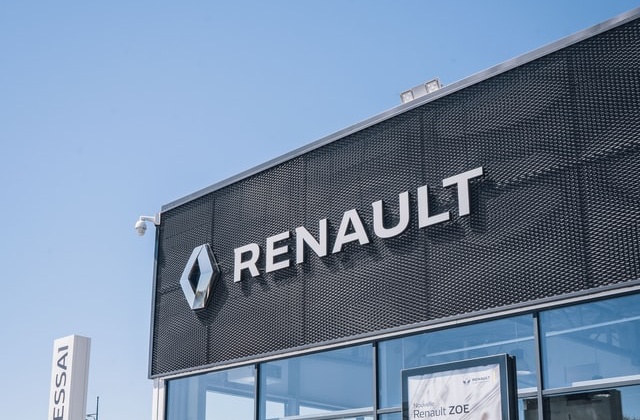
Renault, a French multinational automobile manufacturer, announced it would be selling some of its Korean unit stakes to China’s Geely Holding Group, an automotive firm. The company is planning to unload a third of its shares for around $207 million or 264 billion won.
As per Reuters, the profits from the sale will be used by Renault for investments in its electric business and slowing core markets. The French automaker’s sales were said to have declined for the third straight year in 2021, and it is now working on its turnaround plan to boost profit margin and catch up with its rivals in the EV business, such as Volkswagen and Tesla.
The fund from the sale will also be used to split up its EV and combustion engine businesses. At any rate, the decision to put its 34.02% stake in Renault Korea up for sale comes just weeks after it was reported that it can lower its stake in Nissan Motor, where it is a top shareholder.
With Geely owning stakes in Renault Korea, it has gained a lot from the deal. For instance, it has gotten closer to three major EV battery producers in South Korea, such as SK Innovation, Samsung SDI, and LG Energy Solutions. This means that it will be easier for Geely to source parts for its electrified cars.
"It is a partnership, and Geely might be knocking on the door of the South Korean EV market," an analyst at Korea Investment & Securities, Kim Jin Woo, said in a statement. "For Chinese firms, building a successful track record in South Korea can help sell EVs in other emerging markets, as well as Europe and the U.S., which the firms continue to knock on the door of, but they are difficult markets."
Despite the stake sale to Geely, Yonhap News Agency reported that Renault still remains the largest shareholder in its Korean unit. Meanwhile, Geely Holding Group and Renault Group have already been working together for quite some time, and in fact, they announced a new collaboration earlier this year.
The two automakers are planning to launch an all-new vehicle lineup of hybrid electric vehicle models that will be designed to be fuel-efficient. They will also produce internal combustion engine units in S. Korea, and production will be carried out in Renault’s plant in Busan, with volume production slated to start in 2024.







