


 Trump Imposes New US Tariffs on Drone Imports Over National Security Concerns
  Asian Stocks Rise as AI Chip Rally Lifts South Korea, Japan
  Japan Government Backs Earlier BOJ Rate Hike as Inflation Pressures Build
  Wall Street Hits Record High as Softer Inflation Data Eases Fed Rate Hike Fears
  Asian Stocks Rally as Cooling US Inflation Boosts Fed Rate Outlook
  Asian Currencies Steady Ahead of US CPI as Oil Prices Rise
  UK Economy Posts Surprise June Growth as World Cup and Hot Weather Lift Activity
  Oil Prices Fall as U.S. Crude Inventories Surge and Hormuz Tensions Persist
  Gold Prices Rise as Weak US Retail Sales Cut Fed Rate Hike Bets
  S&P 500 Retreats From Record High as AI Stocks Slide, Retail Sales Disappoint
  Trump Imposes New Tariffs on Drone Imports Over US Security Concerns
  China Automakers Accelerate Global Expansion as Domestic Car Sales Slump
  US Dollar Holds Firm as Fed Outlook and Iran Tensions Keep Markets on Edge
  European Stocks Rise as U.S. Inflation Data Eases Fed Rate Hike Fears
  Gold Prices Retreat From Two-Month High as Softer Inflation Eases Fed Rate Hike Bets
  US Dollar Slips as Softer PPI Data Eases Fed Rate Hike Expectations
  S&P 500 Hits Record High as Soft Inflation Data Eases Fed Rate Hike Fears


 Add as a preferred source on Google
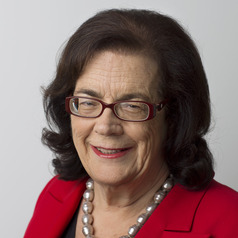
The government has appointed Michele Bullock the new governor of the Reserve Bank – the first woman to occupy the post.
Bullock, currently deputy governor, replaces Philip Lowe, who has weathered strong criticism, including from within Labor, during sustained rises in interest rates.
Bullock’s appointment was announced by Prime Minister Anthony Albanese and Treasurer Jim Chalmers at a joint news conference, after cabinet ticked off on Chalmers’ recommendation.
Chalmers said:
Michele is an outstanding economist, but also an accomplished and respected leader. Her appointment best combines experience and expertise with a fresh leadership perspective at the Reserve Bank as well.
He said Bullock was “fiercely independent.”
Bullock has worked for the bank for nearly 40 years.
The announcement comes after months of speculation about Lowe’s future. The shortlist included treasury secretary Steven Kennedy and finance department secretary Jenny Wilkinson.
Lowe’s term, which started in 2016, runs out in September.
He made it clear as recently as this week that he would like another term. But this never seemed likely in view of the criticisms of him and the fact the government wanted a fresh face to oversee the extensive reforms of the bank following the recent review.
These changes will see two boards replace the present one, with interest rates to be set by a more specialist board.
The main criticisms of Lowe have been his inaccurate prediction that rates would not rise before 2024, and (by some) that the bank was too slow in starting to put them up.
Among the public, with people suffering acute cost of living pressures, he became the face of mortgage pain. There have been a dozen rises in something over a year.
Lowe has been adamant that rates must rise as high as necessary to deal with inflation. The Reserve Bank paused the cash rate this month, but Lowe made it clear rates could go higher if necessary.







