


 Robinhood Launches AI Agents for Automated Trading
  Google Pays Publishers for AI Search Content in New Pilot
  OpenAI Agents Access U.S. Government Websites During Testing
  Bitwise Launches NEAR ETF as $562 Bull Case Fuels AI Crypto Buzz
  Pi Network Price Holds $0.087 as Protocol 28 Mainnet Upgrade Nears
  TD Cowen Starts SpaceX at Buy, Sees AI Compute Driving Growth
  BlackRock Sees AI Agents Fueling New Crypto Demand
  Solidigm Eyes $150 Billion IPO as SK Hynix Expands AI Storage Push
  TSMC Accelerates 2nm Expansion as AI Chip Demand Surges
  Grayscale Sees Zcash Gaining Market Share Against Bitcoin
  Aztec Revives zk.money for Private Ethereum Payments
  Goldman Sachs Private Credit Fund Sees Redemptions Ease in Q3
  Polymarket Traders Bet on Trump AI Rename to ‘Super Intelligence’
  OpenAI Seeks $30 Billion at $1.4 Trillion Valuation
  CNN, Politico and MS NOW Seek Court Order Blocking Trump White House Ban
  China Says U.S. Shares Responsibility for AI Governance
  CSL Partners With AWS to Bring AI Into Drug Research


 Add as a preferred source on Google
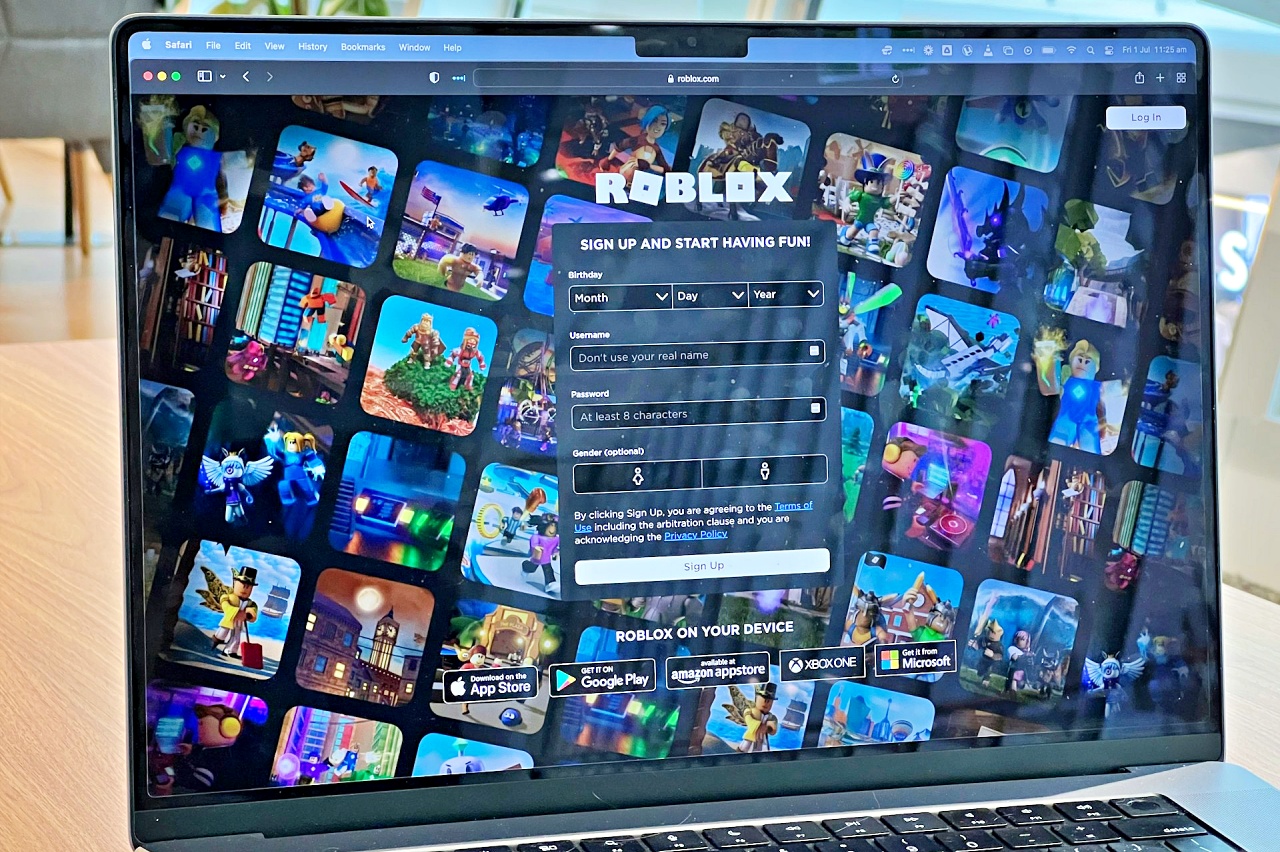
Roblox unveiled its new Creator Store to replace its old Creator Marketplace. This is a digital platform designed for creators, allowing them to safely trade assets and solutions such as images, audio, video content, fonts, meshes, plugins, and models.
As per Venture Beat, Roblox’s aim for setting up a new Creator Store is to help speed up content creation on Roblox. The game publisher also expects the platform to stimulate an ecosystem where creators can trade assets without risk.
What’s new in Roblox’s updated Creator Store?
Roblox shared that its team of experts has been working on the said content platform for the past two years. They have upgraded the base of the site’s creator assets and solutions system, and with these changes, creators can now make content better and faster.
Roblox further said that based on feedback from users, the new Creator Store was built with a focus on three main areas: safety, utility, and earning opportunities. The company invested about $735 million to pay developers for its user-generated content platform last year.
Creator Store Rollout
Roblox has started rolling out its Creator store in the United States. This will help developers with their creations and keep them well compensated for their hard work because the platform will allow them to keep all of the proceeds from the sale of their plugins and models that will be sold via the Studio or Creator Hub, which are coming soon. The good thing is that sold assets will no longer be subjected to DevEx fees, although there will still be processing fees and sales tax.
In its earlier announcement, the Roblox team said, “We are excited to kick off a new era as the Creator Store 369 that was previously called the Creator Marketplace. The team has been hard at work over the past two years revamping the foundation of the creator assets and solutions ecosystem into what you see today.”
How to Sell on Roblox’s Creator Store?
Creators who would like to sell their plugins and other content can create their seller accounts on the platform and set prices (in U.S. dollars) for their assets. To make sure that developers will have enough time for the transition of the platform from the old marketplace, assets will not be available for sale until March.
This will also give creators time to prepare their content well before going on sale. Moreover, it should be noted that once the Creator Store is activated, developers will be allowed to trade assets on the Creator Store using Robux.







