


 Jordan Bardella Antisemitism Allegations Threaten Le Pen’s Campaign
  Trump Defends Russian Diesel Deal Amid US Sanctions Backlash
  UK Finance Minister Healey Calls for Fiscal Discipline Amid Global Risks
  Houthis Warn Saudi Airports After Deadly Riyadh Attack
  Djibouti Migrant Boat Capsizes, Killing 139 and Leaving 84 Missing
  US Authorities Raid Ilhan Omar’s Home Amid Immigration Fraud Probe
  US Judge Blocks Trump Administration’s Taxpayer-Funded Political Ads
  Trump Denies Russia and China Are Helping Iran in U.S. Conflict
  Trump Plans White House Shake-Up of Key AI Safety Agency
  Russian Strikes Kill Six in Ukraine, Including Three in Kharkiv
  European Auto Stocks Rise as EU-China Trade Deal Targets Hybrid Imports
  Elon Musk Donates $366 Million to 2026 US Midterms
  US Condemns China Sanctions on Taiwan Allies Belize and Paraguay
  North Korea Fires Ballistic Missiles Amid Rising Tensions With South Korea
  Panama Declares Emergency After 7.7 Earthquake Triggers 200 Aftershocks
  Brazil Election: Lula and Bolsonaro Rally Ahead of October 25 Runoff
  Trump Announces Russia-Ukraine Energy Ceasefire as Zelenskiy Awaits Details


 Add as a preferred source on Google
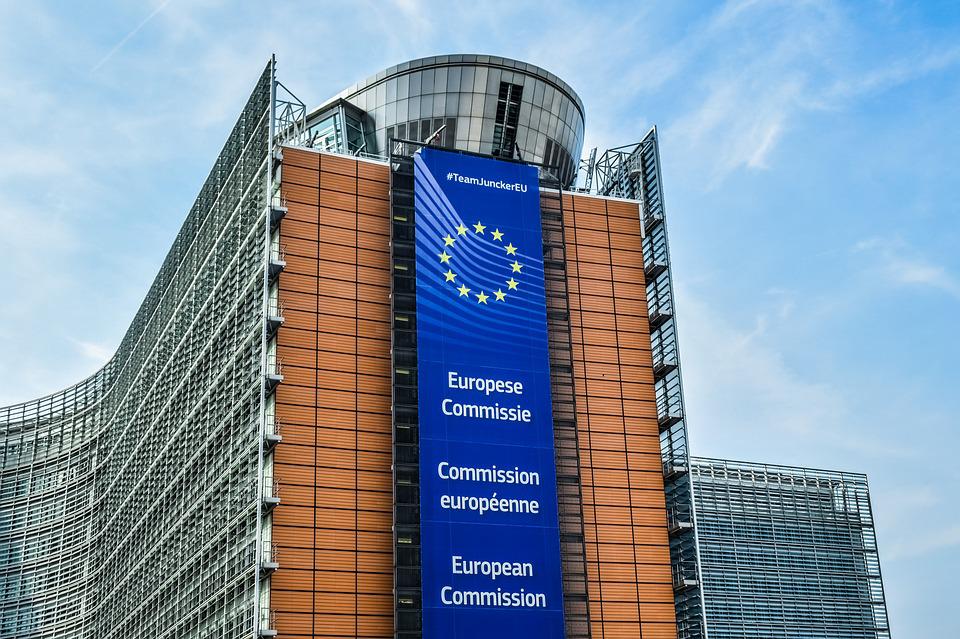
Leaders of countries part of the European Union are set to make a historic decision regarding Ukraine’s potential candidacy. Diplomats and ministers revealed that the bloc’s leaders are set to approve of Ukraine becoming a candidate for European Union membership.
Diplomats and ministers revealed Tuesday that leaders of the nations part of the European Union are set to sign off on Ukraine’s candidacy for membership into the bloc during the summit on Thursday. This follows the recommendation made by the European Commission last week to grant Ukraine candidacy status.
Following days of internal discussions, three diplomats told Reuters there was no opposition to Ukraine joining the European Union.
“We are working towards the point where we tell Putin that Ukraine belongs to Europe, that we will also defend the values that Ukraine defends,” Luxembourg foreign minister Jean Asselborn told reporters prior to meeting his EU counterparts.
Along with Ukraine, Moldova is also likely to be given candidate status. However, Georgia must fulfill its conditions, most especially breaking the political gridlock that the country is currently facing.
A French presidential official also told reporters during a briefing that he was confident there would be no opposition from the 27 countries for Ukraine and Moldova.
“We are forging consensus. At this moment I can’t say all 27 are agreed but there is reasonable hope to quickly get an agreement on Ukraine and Moldova at the EU Council,” said the official.
While northern European countries have some reservations about giving Ukraine candidacy status over certain issues, such as the rampant corruption, Denmark’s foreign minister said he was willing to give Ukraine candidacy status.
At the same time, several countries in the bloc are pushing to impose new sanctions on Russia and Belarus to increase pressure as the war moves into its fourth month.
One-third of the EU countries, led by the eastern and Nordic states, want the European Commission to start working on the seventh set of sanctions to punish Russia for its unprovoked invasion of Ukraine.
However, according to diplomats, countries such as Germany prefer to focus on applying existing sanctions for now and closing loopholes in the sanctions rather than start work on new ones.







