


 US Confirms Weapons in Orbit as Space Tensions Rise
  US Resumes Immigrant Visa Processing for Hungary, Poland
  Countries Tighten Social Media Bans for Children
  FDA Names Permanent Drug and Biologics Center Chiefs
  Europe can’t achieve space sovereignty alone. Here’s why
  South Korea’s Cho Hyun to Meet Rubio in Washington
  U.S. Imposes New Visa Restrictions Over South Africa Policies
  France Targets Shein, Temu With Fast-Fashion Fees
  Global Poll Shows Rising Trust in Institutions as US-China Leadership Support Falls
  US Bans Canadian Alcohol, Motorcycles as Trade War Escalates
  Google Changes EU Spam Policy Amid Antitrust Scrutiny
  What is Zionism? The different meanings of a contested term
  Australia Tightens Student Visa Rules, Targets Migration Cut by 2028
  Judge Blocks Trump Rule Limiting Foreign Student Visas
  Vietnam, U.S. Firms Plan 29 Deals Across Energy, Tech and Aviation
  Saudi Arabia Raises Security Alerts as Houthi Attacks Threaten Oil Routes
  SEC Seeks ISS Client Voting Records in Proxy Adviser Probe


 Add as a preferred source on Google
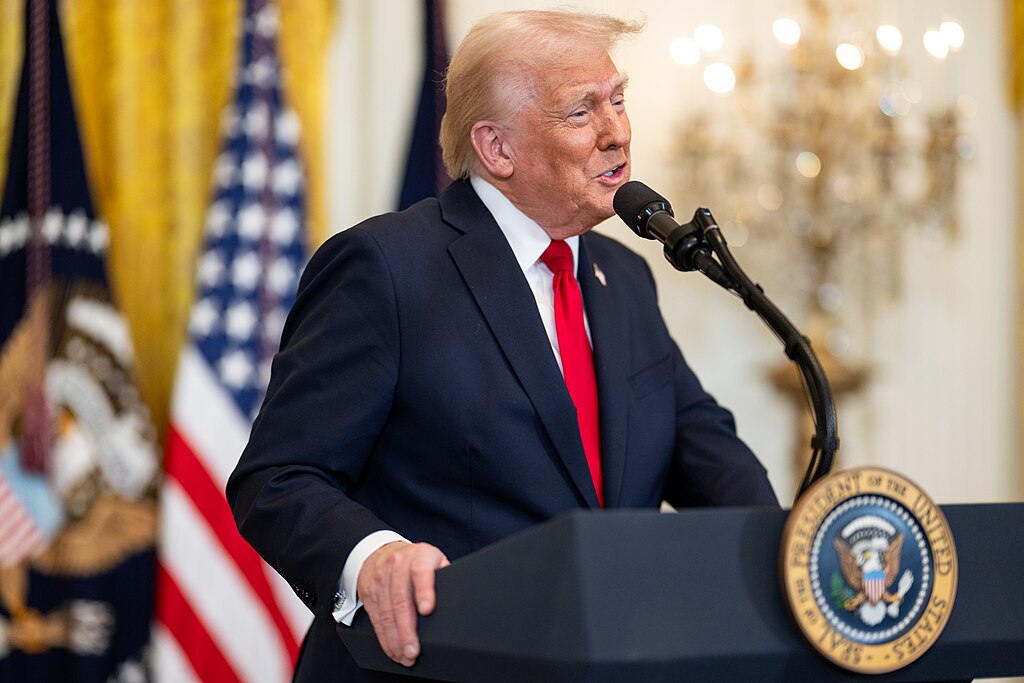
The Trump administration has temporarily suspended all immigration applications—including green card and U.S. citizenship petitions—filed by immigrants from 19 specific countries, according to a report from the New York Times that cites U.S. agency officials. This pause affects applicants from nations that were already placed under restrictive measures in June, when the administration barred individuals from seeking status through U.S. Citizenship and Immigration Services (USCIS).
The decision broadens the administration’s immigration crackdown by blocking not only new visa applications but also long-standing processes that many immigrants rely on to secure permanent residency or citizenship. Sources noted that the suspension directly impacts people who have complied with legal requirements and have already submitted their applications but now face indefinite delays. While the administration argues that the restrictions are necessary for national security and system efficiency, critics warn that the policy could disrupt families, hinder workforce contributions, and create significant backlogs within the immigration system.
Officials have not publicly detailed the full criteria behind the selection of the 19 countries, but the affected list reportedly overlaps with nations previously subjected to travel bans and other immigration limitations. Immigrant advocates say the move reflects a broader trend of tightening immigration pathways, creating new obstacles for individuals hoping to establish permanent roots in the United States.
As the pause continues, applicants from the restricted countries remain uncertain about when or if their cases will move forward. Legal experts predict that the halt could trigger challenges in federal courts, especially from individuals who argue their rights to fair processing have been violated. The situation also raises concerns for employers and U.S. families who depend on pending immigration cases for workforce stability and family reunification.
The report underscores growing scrutiny of U.S. immigration policies and signals potential long-term implications for lawful immigration channels if the pause remains in effect.







