


 Trump Calls for Zelenskyy Replacement Amid Russian Diesel Deal
  Ripple Chairman Chris Larsen Donates $22.5 Million Ahead of US Midterms
  Flydubai Co-Pilot Planned Suicide Attack on Israel Airport, UAE Says
  Trump Secures Russian Diesel Deal as US Fuel Prices Surge
  Mahmoud Abbas Postpones Palestinian Elections to September 2027
  Brazil Election: Lula and Bolsonaro Rally Ahead of October 25 Runoff
  US Judge Blocks Trump Administration’s Taxpayer-Funded Political Ads
  Trump Sanctions International Criminal Court, Sparking EU Backlash
  Flavio Bolsonaro Leads Lula 49%-45% in Brazil Runoff Poll
  Trump Announces Russia-Ukraine Energy Ceasefire Amid U.S. Pressure on Kyiv
  Russian Strikes Kill Six in Ukraine, Including Three in Kharkiv
  Panama Declares Emergency After 7.7 Earthquake Triggers 200 Aftershocks
  Trump Announces Russia-Ukraine Energy Ceasefire as Zelenskiy Awaits Details
  US Charges Maduro and Wife With Torture Conspiracy
  Zelenskiy Slams US-Russia Diesel Deal as Funding War
  Pakistan Declares Emergency in Khyber Pakhtunkhwa, Suspends Imran Khan’s PTI Government


 Add as a preferred source on Google
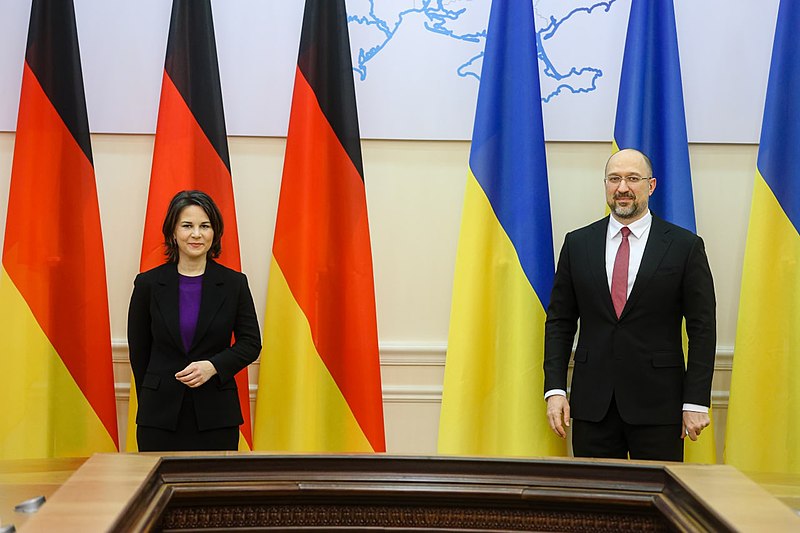
The war in Ukraine continues in its fourth month, with Russia focusing on capturing the eastern region of Ukraine in its new offensive. This week, Germany’s foreign minister said negotiations with Russia are not an option.
In an interview with Stern magazine, German foreign minister Annalena Baerbock said negotiations with Russia are not an option, citing that Moscow is not prepared to allow the Red Cross to let civilians evacuate from bombarded areas.
Baerbock also rejected calls from a group of Germans in an open letter for an immediate ceasefire and talks, criticizing the move as “naive, disturbing, and arrogant.”
“What can you negotiate about with someone who is not even ready to agree with the International Committee of the Red Cross to let civilians flee?” said Baerbock.
“What right does the German foreign minister have to decide for Ukraine which part of their country they should please give up, how many millions of their citizens to submit to their Russian rule?” said Baerbock, referring to the letter.
The top diplomat also said she has not been in contact with her Russian counterpart Sergey Lavrov since Russia invaded Ukraine in February. Baerbock said she wished she could tell Lavrov to come and talk peace but questioned the power of his role in the war.
“What kind of role the Russian foreign minister plays at all in this is questionable,” said Baerbock.
Both Baerbock and Lavrov attended the G20 Summit in Bali. However, Lavrov left after his speech without hearing Baerbock’s remarks.
Meanwhile, the European Union is preparing the seventh round of sanctions against Russia in another effort to punish Moscow for its unprovoked attack on Ukraine. However, Czech Republic Prime Minister Petr Fiala told Reuters that curbing imports of Russian energy products is not included.
According to Fiala, the sanctions that are being finalized by the bloc’s executive included a ban on gold imports, widening a list of dual-use goods that are banned from exporting to Russia while also targeting more individuals.
Fiala said the European Commission is expected to unveil the seventh package in the coming days to be signed off by member states.







