


 Vance Demands Iran Cut Nuclear Enrichment to End War
  Trump Weighs FBI Probe Into Nolan Wells’ Death
  Lula Weighs Alckmin as Finance Minister to Boost Fiscal Credibility
  Pentagon Orders Iran Strike Preparations as Trump Weighs Military Action
  Trump Rallies in Texas as Republicans Face Tight Midterm Races
  Trump Backs Florida Golf Course as Presidential Retreat
  Trump Envoy Meets Sudan Army Chief in Egypt
  Russia Targets Danish Ukraine Suppliers in Sabotage Campaign
  JD Vance Says Iran Must Cut Nuclear Enrichment to End War
  Merz Warns of Extremism After AfD Gains Power in Saxony-Anhalt
  Tsai Warns of China’s Sustained Pressure on Taiwan
  US, Greece Launch New Counterterrorism Security Program
  Maduro, Wife May Face New US Torture Charges
  Lincoln University Students Sue Missouri Over Decades of Underfunding
  Hegseth Praises USS Abraham Lincoln Crew After Record Iran War Deployment
  North Korea Slams US Taiwan Arms Sales, Reaffirms Russia Support
  Trump Says He Deserves 2026 Nobel Peace Prize Despite Uncertain Chances


 Add as a preferred source on Google
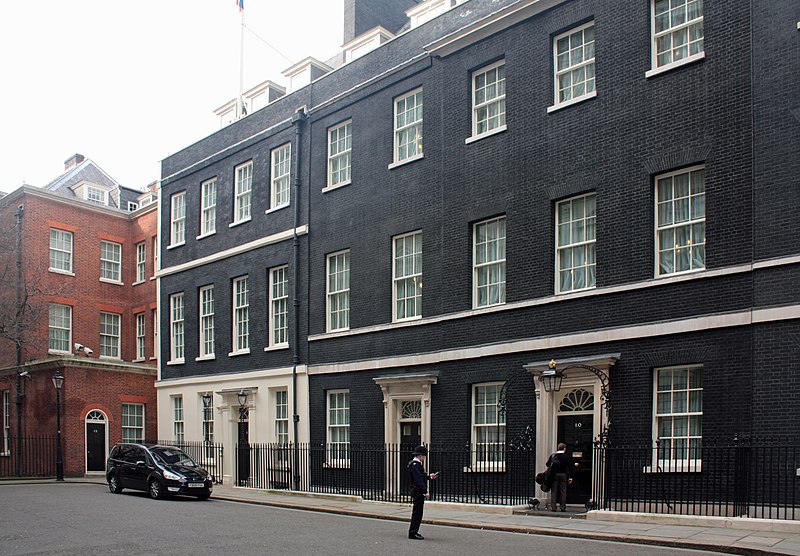
Western powers under NATO appear to be pushing back more towards the buildup of Russian troops at its border with Ukraine. The United Kingdom is now considering making a major NATO deployment in the region.
The British government announced over the weekend that it was considering making a major NATO deployment to the region in order to strengthen the borders as pushback for Russia’s troop buildup, according to Reuters. The UK has warned that any attempt by Russia to invade Ukraine would result in sanctions that would potentially devastate both sides. Prime Minister Boris Johnson is set to visit the region and is also set to speak with Russian President Vladimir Putin on the phone.
“This package would send a clear message to the Kremlin – We will not tolerate their destabilizing activity, and we will always stand with our NATO allies in the face of Russian hostility,” said Johnson in a statement.
“I have ordered our Armed Forces to prepare to deploy across Europe next week, ensuring we are able to support our NATO allies,” added Johnson.
Johnson is considering the largest possible proposal to members of the alliance in the Nordics and Baltics. According to Johnson’s office, the offer would double the number of troops and weapons, sending defensive weapons to Estonia. Officials will be finalizing the details of their offer in Brussels, while ministers on Monday will be discussing the military options.
Johnson’s office also said that the UK leader will be meeting his NATO counterparts again early next month. The UK’s foreign and defense ministers will also be traveling to Moscow to meet with their Russian counterparts.
Russia said over the weekend that it wants “mutually respectful” ties with the US and once again denied posing any threat to Ukraine despite the buildup of troops at its borders, according to AFP. The troop buildup has since sparked fears that Russia was planning to invade Ukraine, leading the West to push back with repeated warnings not to do so.
“We want good, equal, mutually respectful relations with the United States, like with every country in the world,” said Russian foreign minister Sergey Lavrov on Russian television. Lavrov noted, however, that Russia also does not want to be in a position where its security is being threatened.







