


 Zelenskiy Offers Russia Energy Truce Amid Trump Pressure
  Flavio Bolsonaro Leads Lula 49%-45% in Brazil Runoff Poll
  Ripple Chairman Chris Larsen Donates $22.5 Million Ahead of US Midterms
  Flydubai Co-Pilot Planned Suicide Attack on Israel Airport, UAE Says
  Trump Sanctions International Criminal Court, Sparking EU Backlash
  Trump Calls for Zelenskyy Replacement Amid Russian Diesel Deal
  Panama Declares Emergency After 7.7 Earthquake Triggers 200 Aftershocks
  North Korea Fires Ballistic Missiles as Tensions With South Korea Escalate
  Yandex Data Center Hit by Drone Strike as Russia-Ukraine Cyber Infrastructure Attacks Escalate
  US Judge Blocks Trump Administration’s Taxpayer-Funded Political Ads
  Trump Secures Russian Diesel Deal as US Fuel Prices Surge
  US Charges Maduro and Wife With Torture Conspiracy
  US, EU Push for Action Against Asia’s Excess Factory Capacity
  Djibouti Migrant Boat Capsizes, Killing 139 and Leaving 84 Missing
  Trump Announces Russia-Ukraine Energy Ceasefire as Zelenskiy Awaits Details


 Add as a preferred source on Google
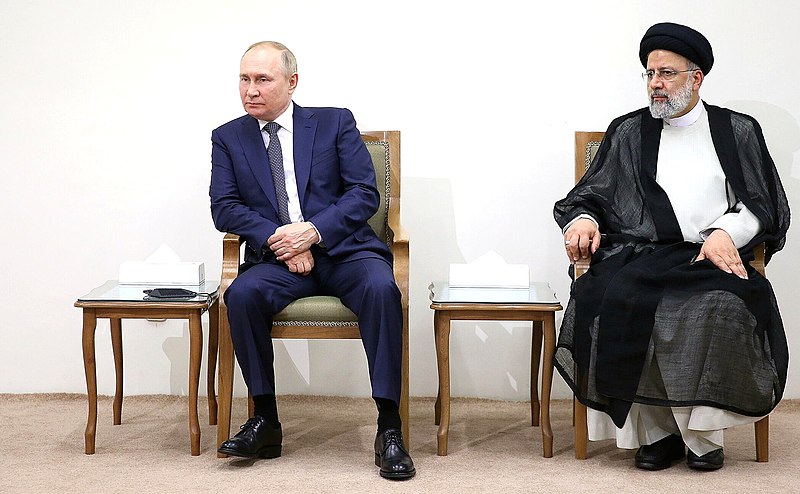
Many countries all over the world have now rallied against Russia in support of Ukraine following the invasion of Russian forces back in February. The United States said Russian President Vladimir Putin’s trip to Iran this week highlighted how isolated Russia has become.
Speaking with reporters Tuesday, White House National Security Council spokesman John Kirby said Putin’s trip to Iran this week highlighted how isolated Russia is now following its invasion of Ukraine and continued assault. Putin met with Iranian Supreme Leader Ali Khamenei on his first overseas visit since February.
This comes as Washington last week said it has obtained information showing that Tehran is preparing to aid Russia with several hundred drones, some of which are weapons capable. The information also suggested that Iran is preparing to train Russian forces to use them.
Iran’s foreign minister denied the claims, and Kirby said there has not been an indication that Iran has provided Russia with drones.
Meanwhile, the Chairman of the Joint Chiefs of Staff Gen. Mark Milley said Wednesday that Ukraine has not completely lost its eastern territory of Donbas to Russian forces. Milley was pressed on whether he thinks the Donbas region was now completely in control of Russian forces.
“No, it’s not lost yet,” said Milley.
The top US general’s comments come as Russian foreign minister Sergey Lavrov said Russia’s “military operations” in Ukraine now go beyond the eastern region, which it has been focusing on after its failure to capture Ukraine’s capital Kyiv.
Russian forces have seized territories in the eastern and southern regions of Ukraine so far.
Lavrov’s comments Wednesday now indicate that Russia has expanded its goals for the war it continues to wage on Ukraine that is approaching its fifth month. In an interview with state media, Lavrov said there was no point in peace talks as Western governments are relying on Ukraine to fight rather than negotiate.
Ukraine’s foreign minister Dmytro Kuleba, however, responded that Russia wants “blood, not talks.”
“By confessing dreams to grab more Ukrainian land, Russian foreign minister proves that Russia rejects diplomacy and focuses on war and terror. Russians want blood, not talks,” said Kuleba.







