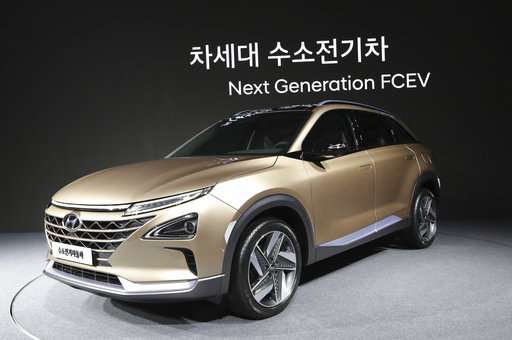
South Korea plans to build more hydrogen production facilities in Busan, Daejeon, and three other cities that could power 49,000 cars or 760 buses annually.
The facilities would utilize liquefied natural gas to produce 7,400 tons of hydrogen every year.
The move is in pursuance of the country's latest green energy vision that would break away from using fossil fuels and promote hydrogen fuel cell automobiles.
South Korea plans to increase the number of hydrogen passenger cars running in the streets to 15,158 units by the end of 2020 and to have 2.7 million of such automobiles by 2040.
The number of charging stations for hydrogen-powered will be increased from 34 in 2019, to around 350 by 2022, and 1,200 in 2040.

China’s AI Models Narrow the Gap With the West, Says Google DeepMind CEO
TSMC Shares Hit Record High as AI Chip Demand Fuels Strong Q4 Earnings
Lululemon Founder Chip Wilson Escalates Proxy Fight to Remove Advent From Board
U.S. Transportation Board Sends Union Pacific–Norfolk Southern Merger Back for Revision
U.S. Moves to Expand Chevron License and Control Venezuelan Oil Sales
Syrah Resources and Tesla Extend Deadline on Graphite Supply Dispute to March
Toyota Industries Buyout Faces Resistance as Elliott Rejects Higher Offer
BHP Posts Record Iron Ore Output as China Pricing Pressures Loom
Trump Criticizes NYSE Texas Expansion, Calls Dallas Exchange a Blow to New York
White House Pressures PJM to Act as Data Center Energy Demand Threatens Grid Reliability
Elon Musk Seeks $134 Billion in Lawsuit Against OpenAI and Microsoft Over Alleged Wrongful Gains
Federal Judge Clears Way for Jury Trial in Elon Musk’s Fraud Lawsuit Against OpenAI and Microsoft
BYD Shares Rise in Hong Kong on Reports of Battery Supply Talks With Ford
TikTok Expands AI Age-Detection Technology Across Europe Amid Rising Regulatory Pressure
Google Seeks Delay on Data-Sharing Order as It Appeals Landmark Antitrust Ruling 


