The Korea Fair Trade Commission plans to introduce a new policy next month requiring alcoholic drinks to specify the product’s calories and nutritional information.
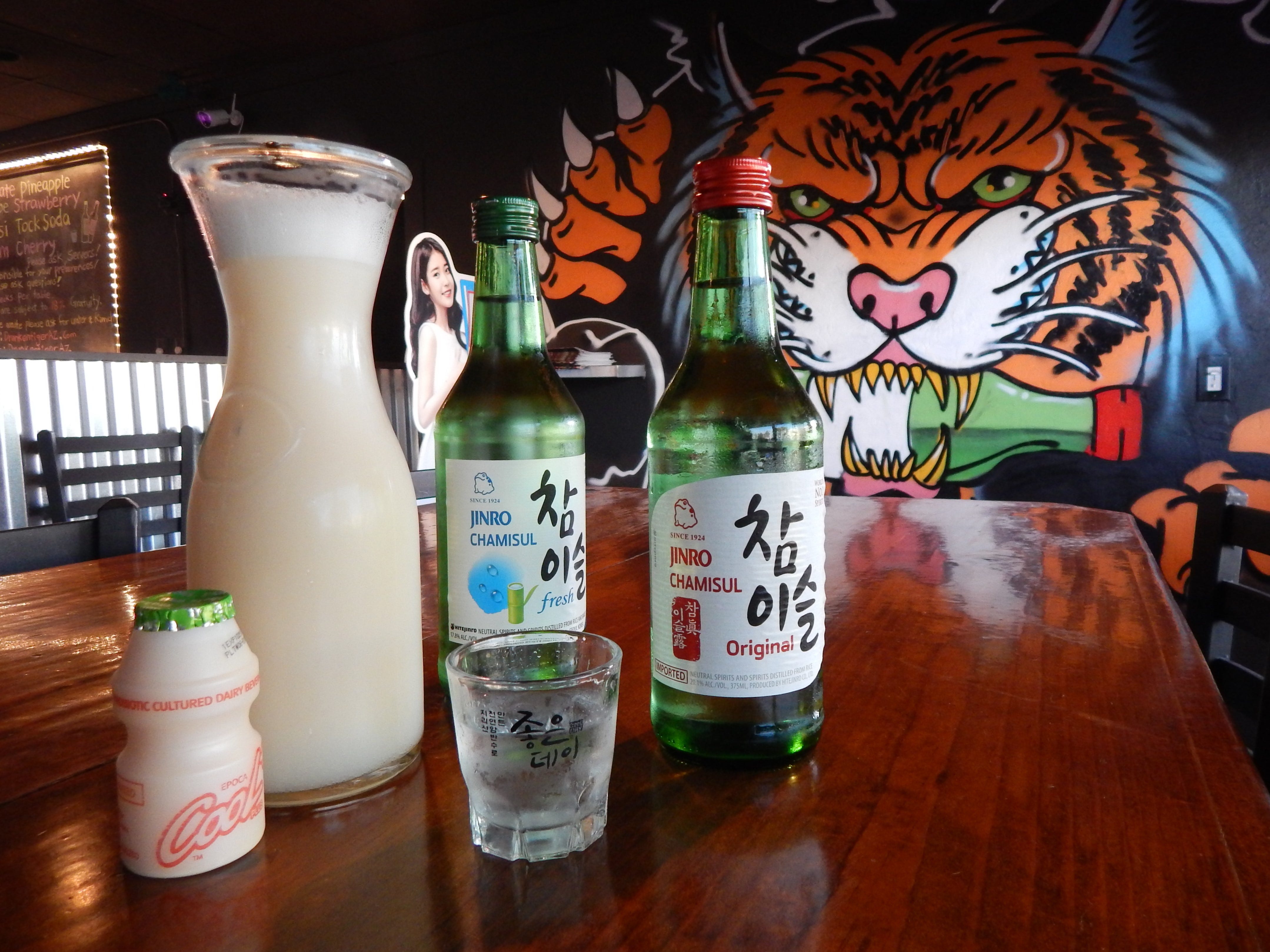
Alcoholic drinks include soju, a Korean distilled beverage made from grain; beer; makgeolli, a traditional grain-based alcoholic drink; wine, whiskey, and many others.
It has always been pointed out that liquor products fail to provide caloric and nutritional information.
With the rising level of alcoholic drink consumption in the country, South Korean regulators found it imperative to introduce the policy.
While some beers claim to be of the ‘light’ variety in terms of calories, consumers had no way to confirm this without calorie information.
Soju had the highest caloric value per bottle among alcoholic beverages at 408 calories, followed by a bottle of rice wine with 372 calories and a can of beer with 236 calories, according to a 2019 survey conducted by the Korea Consumer Agency.


SpaceX Pushes for Early Stock Index Inclusion Ahead of Potential Record-Breaking IPO
Tencent Shares Slide After WeChat Restricts YuanBao AI Promotional Links
Debate over H-1B visas shines spotlight on US tech worker shortages
RBI Holds Repo Rate at 5.25% as India’s Growth Outlook Strengthens After U.S. Trade Deal
Why have so few atrocities ever been recognised as genocide?
American Airlines CEO to Meet Pilots Union Amid Storm Response and Financial Concerns
South Korea Assures U.S. on Trade Deal Commitments Amid Tariff Concerns
Stuck in a creativity slump at work? Here are some surprising ways to get your spark back
Oil Prices Slide on US-Iran Talks, Dollar Strength and Profit-Taking Pressure
South Africa Eyes ECB Repo Lines as Inflation Eases and Rate Cuts Loom
Washington Post Publisher Will Lewis Steps Down After Layoffs
Japanese Pharmaceutical Stocks Slide as TrumpRx.gov Launch Sparks Market Concerns
Alphabet’s Massive AI Spending Surge Signals Confidence in Google’s Growth Engine
TrumpRx Website Launches to Offer Discounted Prescription Drugs for Cash-Paying Americans
Japan Economy Poised for Q4 2025 Growth as Investment and Consumption Hold Firm
Amazon Stock Rebounds After Earnings as $200B Capex Plan Sparks AI Spending Debate 


