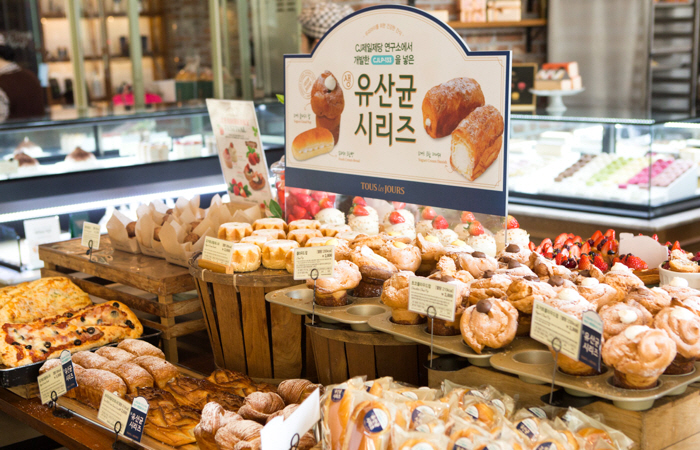
Bakeries and noodle restaurants in South Korea are struggling with the spike in the price of flour and other ingredients since last year.
Unlike large conglomerates that purchase flour in bulk before the price goes up, minimizing price fluctuation impact, many small businesses do not buy and store flour in advance and are consequently exposed to the risk.
Bae Deok-jung, a 44-year-old owner of a Chinese restaurant in Seoul, noted that they do not buy ingredients and store them in advance because of a lack of space.
The price of kalguksu or hand-rolled noodles in Seoul jumped 4.6 percent from 7,615 won in December to 7,962 won in February. From February 2021, the price has soared by 8..9 percent, according to the Korea Consumer Agency.



AI is driving down the price of knowledge – universities have to rethink what they offer
Why have so few atrocities ever been recognised as genocide?
Malaysia Airlines Ordered to Compensate Families of MH370 Passengers
Holiday Economic Questions: What Bank of America Says You Should Expect
Youth are charting new freshwater futures by learning from the water on the water
ADB Approves $400 Million Loan to Boost Ease of Doing Business in the Philippines
Parents abused by their children often suffer in silence – specialist therapy is helping them find a voice
Global Currencies Steady Ahead of Key Central Bank Decisions
Trump’s Approval of AI Chip Sales to China Triggers Bipartisan National Security Concerns
EssilorLuxottica Bets on AI-Powered Smart Glasses as Competition Intensifies
Japan’s Q3 Economic Contraction Deepens as Revised Data Signals Stronger Headwinds
China Warns of Rising Global Risks as Tariff Pressures Intensify in 2025
GameStop Misses Q3 Revenue Estimates as Digital Shift Pressures Growth
SK Hynix Labeled “Investment Warning Stock” After Extraordinary 200% Share Surge
Britain has almost 1 million young people not in work or education – here’s what evidence shows can change that
Debate over H-1B visas shines spotlight on US tech worker shortages 


