


 Indian Stocks Fall as RBI Hikes Rates to 5.50%
  US Treasury Yields Ease After Strong 10-Year Auction as Global Bonds Struggle
  RBI Raises Repo Rate to 5.50% in Hawkish Shift on Inflation Risks
  Fed Minutes Signal Another Rate Hike by Year-End
  Gold Prices Fall as Stronger Dollar Weighs on Bullion
  Dollar Retreats From 18-Month High as Euro Rebounds
  Trump Opens Tax-Exempt Dyed Diesel Access as Fuel Prices Surge
  Gold Prices Rise as Hormuz Tensions Fuel Inflation Risks
  US-Led Coalition Targets Global Factory Overcapacity
  Iran Refuses to Halt Uranium Enrichment Amid US Nuclear Demands
  Wall Street Falls as Fed Minutes Signal Another Rate Hike
  Gold Prices Fall as Fed Signals Another Rate Hike
  Asian Currencies Mixed as Yen Weakens, Dollar Holds Firm
  S&P 500 Hits Record High as AI Rally Lifts Wall Street
  Crypto Market Selloff Wipes Out $100B as Bitcoin Falls Below $83K
  Dollar Near 18-Month High as Euro, Yen and Pound Weaken
  Oil Prices Rise as Hormuz Attacks Fuel Supply Fears


 Add as a preferred source on Google
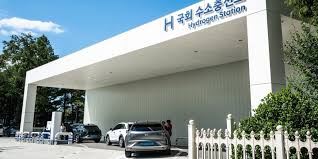
South Korea's five major conglomerates SK, Hyundai Motor, POSCO, Hanwha, and Hyosung will invest 43 trillion won in building hydrogen infrastructures, such as production and storage, by 2030.
SK Group will invest 18.5 trillion won to build facilities that can annually produce up to 30,000 tons. It plans to start supplying the gas starting in 2023 in the greater Seoul area to power 200,000 hydrogen fuel cell cars.
Hyundai Motor Group will invest 11.1 trillion won for hydrogen car research and development while installing more charging stations.
Meanwhile, POSCO will spend 10 trillion won to find methods of harnessing hydrogen instead of coal during steel production.
South Korea vowed to support the companies in projects that it says will serve as a milestone for its green drive.
According to Prime Minister Chung Sye-kyun, the South Korean government plans to establish a system to provide support on all phases of the companies' efforts from production and transportation to application.
Hyundai Motor Group Chairman Chung Euisun and SK Group Chairman Chey Tae-won also agreed to boost their cooperation in the hydrogen industry, such as installing hydrogen fuel cell chargers and fast electric vehicle chargers at SK gas stations across the country.
SK Group plans to replace its 1,500 vehicles with Hyundai's electric ones.







