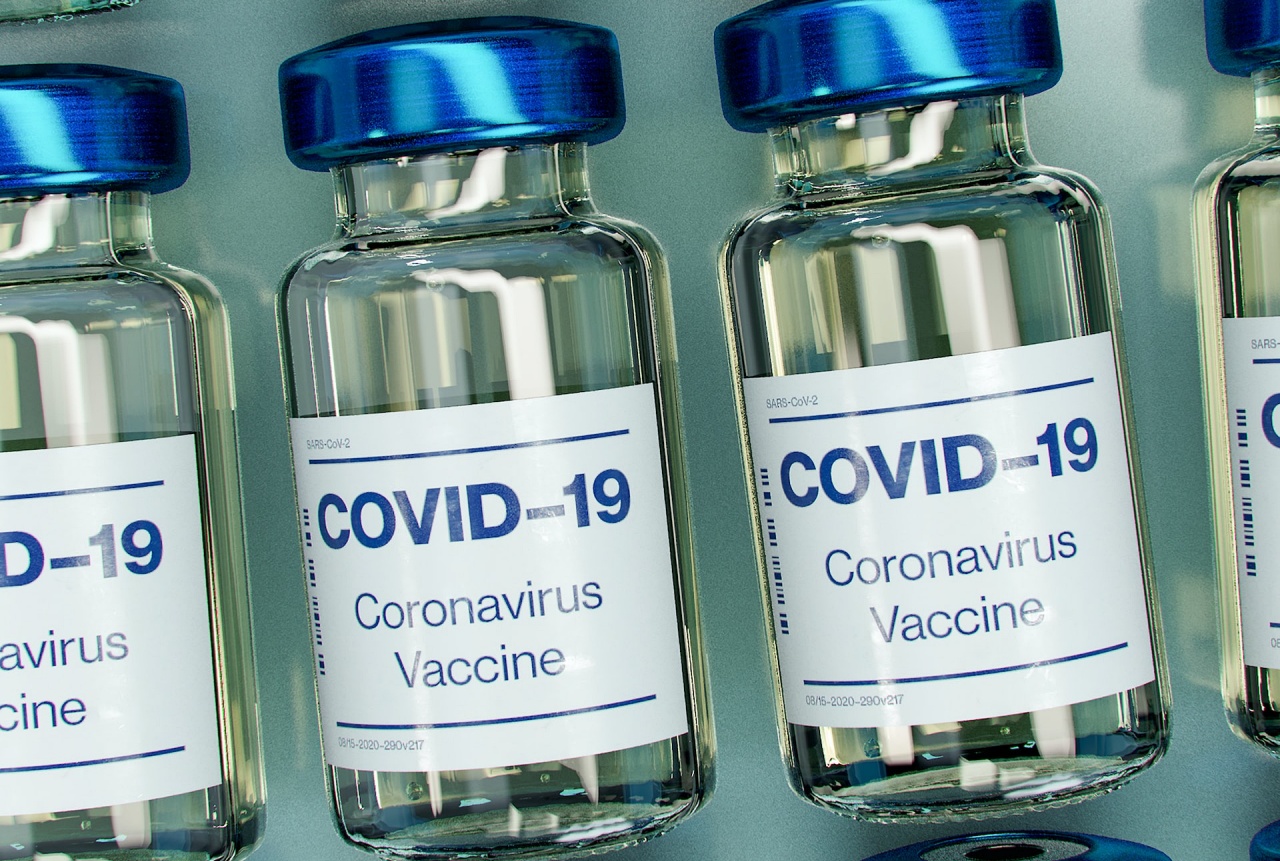
SK bioscience said on Wednesday, Nov. 23, that it has stopped the production of its COVID-19 vaccine called the SKY Covione. The biotechnology wing of the SK Group said that it is a temporary decision that was made because of the declining demand for the product.
SK bioscience mentioned that one of the reasons for the falling demand for its COVID-19 vaccine is the decreasing number of infections. Moreover, the company said the approval of requirements set by drug agencies and global health organizations have also contributed to its move to suspend the manufacturing of SKY Covione.
The spin-off of SK Chemicals, which specializes in the development and production of vaccines, named the World Health Organization (WHO) and the European Medicines Agency (EMA) as some of the groups that have set stricter rules over vaccine approvals.
In any case, despite the suspension of production, the spokesperson of SK bioscience shared that the liquid base materials being used as the main ingredient of the SKY Covione vaccines are still in production. He explained that only the final product is suspended.
"The production of finalized vaccines has been suspended, with no additional orders from the government," an official at the company told The Korea Herald. "However, the vaccine bulk is still being produced. With the bulk (finished products), we are currently waiting for the next orders of SKYCovione from the government."
The official said that the key ingredients are still being manufactured as they are needed to meet the demands once international health agencies grant their approvals. The tight regulations also restricted the exports of vaccines to developing countries such as Africa so it will take more time before the vaccines reach them.
Meanwhile, it was reported that all the unused doses of SK bioscience’s SKYCovione vaccines are likely to be discarded. This is the first ever COVID-19 vaccine that the country has produced and approved.
"The original monovalent vaccine is for people getting their first or second shots, but most Korean people have completed their first vaccination," the Korea Disease Control and Prevention Agency (KDCA) commissioner, Peck Kyong Ran, said in a statement. "Doses that we are planning to buy under an existing deal will be highly likely discarded, as well as those that we've already purchased."
Photo by: Daniel Schludi /Unsplash