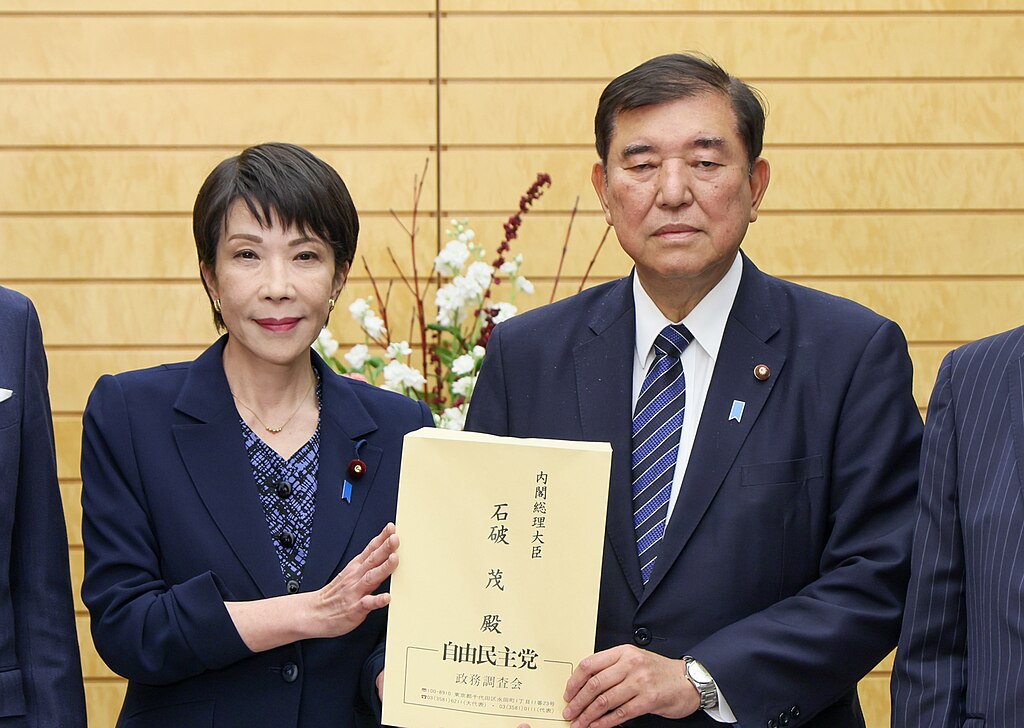
Sanae Takaichi has made history by winning the leadership of Japan’s ruling Liberal Democratic Party (LDP), positioning her to become the country’s first female prime minister. Her victory marks a breakthrough in Japan’s male-dominated political landscape and draws comparisons to her idol, former UK leader Margaret Thatcher. However, analysts say her economic and nationalistic stances could bring both opportunities and challenges to Japan’s fragile economy and regional diplomacy.
Takaichi, 64, described her win as “the beginning of tough work.” She previously lost to Shigeru Ishiba in last year’s leadership race but has now secured party backing to succeed him as prime minister. Although the LDP remains the largest party in parliament, its coalition has lost its majority, making her parliamentary approval uncertain. One of Takaichi’s first major tasks will be hosting former U.S. President Donald Trump in Japan later this month.
Known for her conservative and nationalist views, Takaichi regularly visits the controversial Yasukuni Shrine, which honors Japan’s war dead, including convicted war criminals. She advocates revising Japan’s pacifist postwar constitution to formally recognize its growing military and has suggested forming a “quasi-security alliance” with Taiwan — a move likely to strain relations with China.
An ardent supporter of “Abenomics,” Takaichi promises higher government spending, tax cuts, and a reversal of recent Bank of Japan interest rate hikes to ease living costs. Her economic approach could shake investor confidence in one of the world’s most indebted nations.
Despite pledging to elevate women in government, Takaichi opposes same-sex marriage and separate surnames for married couples, reflecting her deeply conservative roots. A drummer and heavy metal fan, she also made headlines for condemning tourists who mistreat Nara’s sacred deer, signaling her commitment to protecting local traditions.
With her Thatcher-inspired resolve and nationalist outlook, Takaichi’s leadership may redefine Japan’s political and economic direction for years to come.