Saudi Arabia is preparing to strengthen commercial ties with Lebanon after Lebanese authorities showed significant progress in curbing drug smuggling into the kingdom in recent months, according to a senior Saudi official. The move marks a potential turning point in relations that have been strained for years due to Hezbollah’s influence over Lebanese political and security institutions.
The kingdom views the current political moment in Lebanon as an opportunity, especially after Hezbollah’s power was weakened following last year’s conflict with Israel. Easing the long-standing ban on Lebanese imports—imposed in 2021 due to widespread Captagon smuggling—would represent a major step toward restoring economic cooperation. The ban had severely affected Lebanon’s already collapsing economy, particularly its agricultural sector, which relied heavily on Gulf markets.
The senior Saudi official, speaking anonymously, confirmed that Riyadh is ready to take “imminent steps” to revive bilateral trade. He highlighted that Lebanese authorities have shown “efficacy” in halting drug exports and emphasized that further progress could lead to broader economic relief. A Saudi delegation is expected to visit Beirut soon to discuss removing obstacles that have hindered Lebanese exports, although specific measures were not detailed.
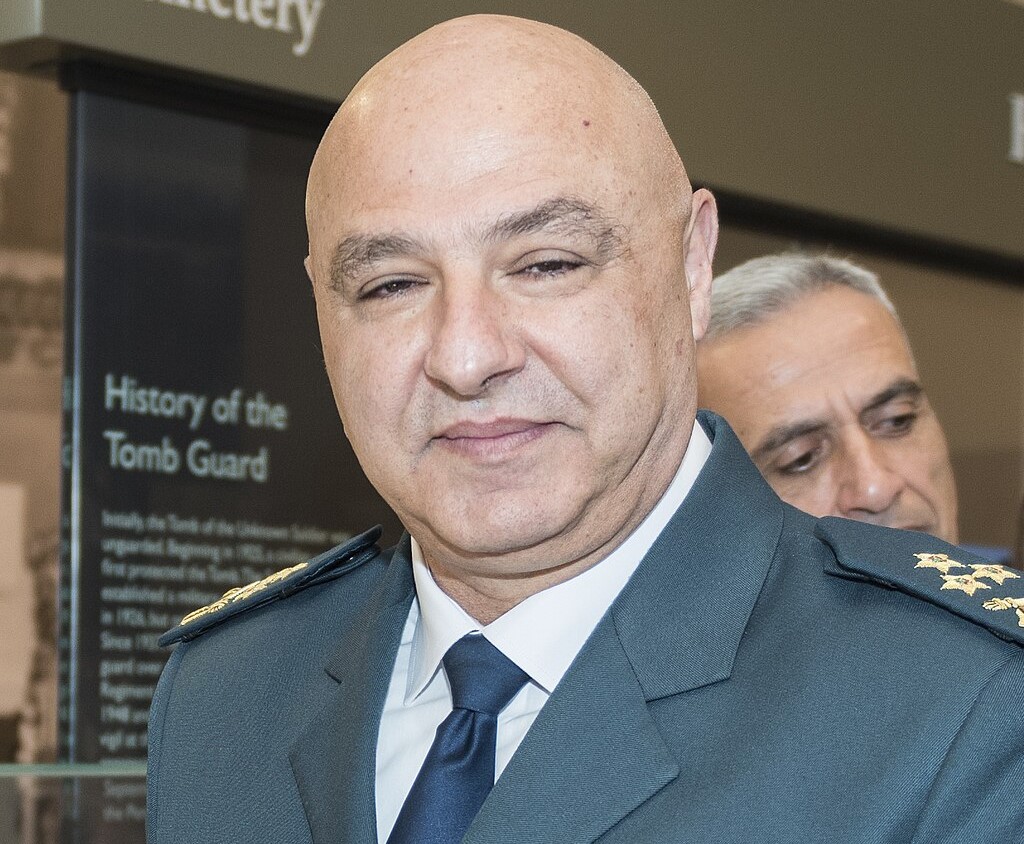
Lebanese Prime Minister Nawaf Salam expressed gratitude for Saudi Arabia’s initiative, calling it a positive sign for Lebanon’s economic recovery. Lebanese President Joseph Aoun and Salam, both supported by Riyadh during their rise to power, had urged the kingdom to reassess its policy.
Lebanon’s approval of a landmark plan in September to begin disarming Hezbollah—starting south of the Litani River—has also played a role in improving relations. However, implementation has been slow due to logistical hurdles and concerns over triggering internal unrest. Meanwhile, U.S. pressure continues to push Beirut toward faster action, as Israel claims Hezbollah is attempting to rearm while it conducts near-daily strikes on suspected positions.
The Saudi official noted that Lebanon’s renewed efforts to prevent its territory from being used to threaten Arab states will help rebuild trust and support the gradual normalization of relations.