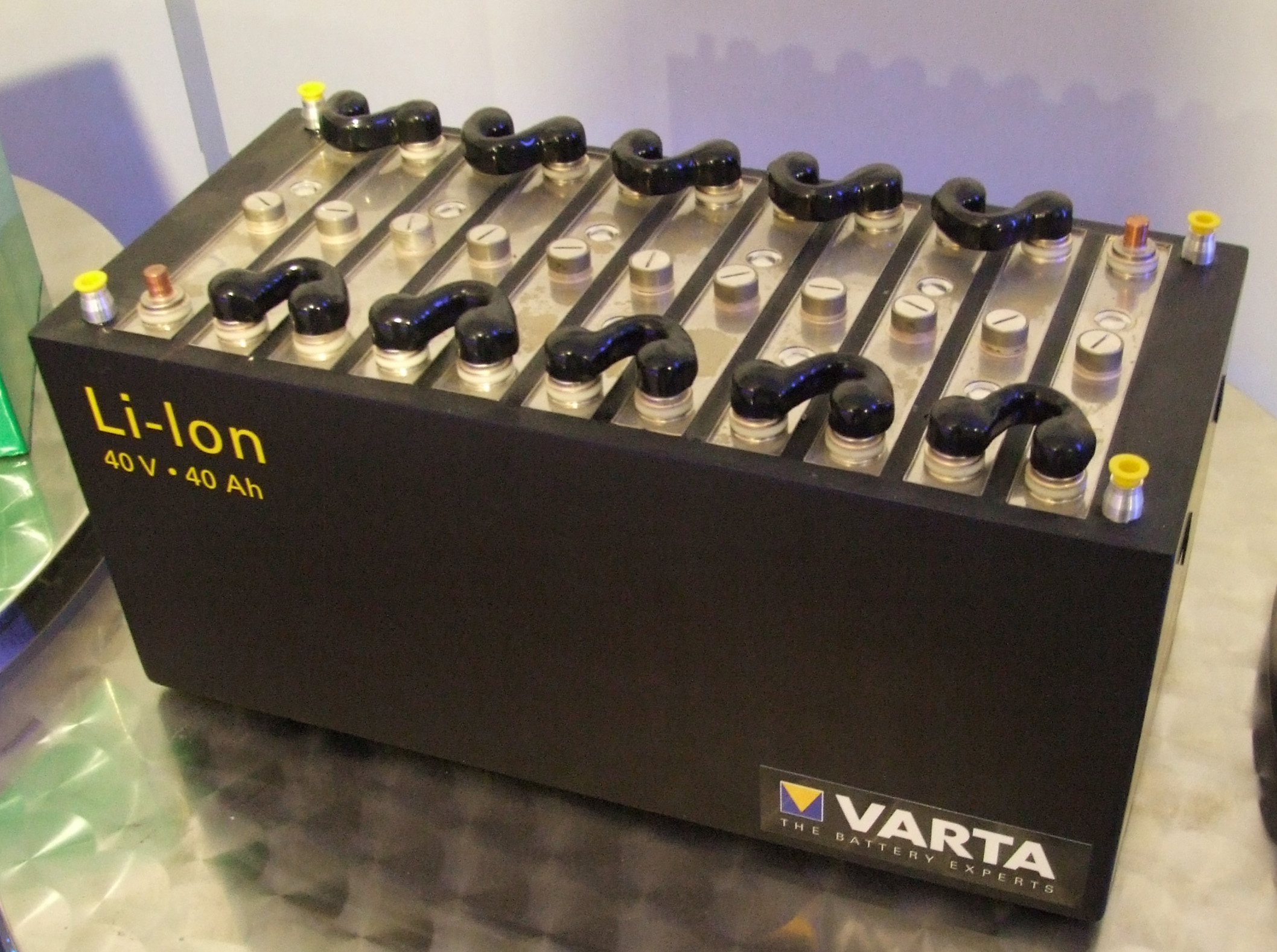
Following the wake of widely covered incidents involving exploding lithium-ion batteries in products like the infamous hoverboard and the unfortunate Samsung Galaxy Note 7, the fire hazard posed by the power source has gotten more attention. Companies and battery manufacturers have been scrambling for a fix to assure the public that their products are still safe to use. A group of scientists might have just found the solution by installing fire extinguishers in the batteries themselves.
The danger of using li-ion batteries is a major issue in the tech industry, largely because most of the gadgets running on battery power right now are using these units, Gizmodo reports. So far, manufacturers have only been able to contain the situation with maintaining excellent quality control. Thanks to Stanford University researchers, there is now another option.
The solution in question involves inserting a shell full of triphenyl phosphate (TPP) inside the electrolyte fluid of the battery. TPP is a flame retardant and once its immediate surrounding reaches 302 degrees Fahrenheit (150C), the shell containing it melts and the flame is extinguished.
After being peer reviewed, the researchers published the results of their study in Science Advances. During their test, the researchers confirmed that fires can be put out in just 0.4 seconds. This significantly reduces the chances of gadgets setting things or people on fire.
As to the matter of battery technology, there is an increasing demand for manufacturers of the portable power units and companies selling gadgets to step it up. Customers now want batteries to not only last longer but to also have enough juice to allow for more powerful performance in devices, BBC notes.
This increase in pressure has had an enormous effect on how companies handle the creation of the batteries themselves. What consumers don’t understand is that current battery technology has run up against a wall and progress has become difficult to make.