


 Volkswagen Shares Slide After 2026 Profit Outlook Cut
  BHP Port Hedland Wage Dispute Heads to Arbitration
  Synthetic data could ease people’s concerns about privacy breaches. But who gets to create it?
  Yemen Fighting Threatens Red Sea Oil Routes
  Nvidia-Groq AI Chip Deal Faces U.S. Antitrust Probe
  Pentagon Restarts Testosterone Testing for US Troops
  US Bans Canadian Alcohol, Motorcycles as Trade War Escalates
  FCC Approves Foreign Investment in $110B Paramount-Warner Bros. Deal
  LVMH-Hermès Dispute Deepens Over Secret 2002 Share Deal
  FDA Names Permanent Drug and Biologics Center Chiefs
  Rosenblatt Starts Nokia at Buy on AI Networking Growth
  Australia Tightens Student Visa Rules, Targets Migration Cut by 2028
  Hyundai CEO Warns Chinese Automakers Could Disrupt US Market
  Judge Blocks Trump Rule Limiting Foreign Student Visas
  Trump Says US Army Base in Poland Talks Make Progress
  Meta CEO Zuckerberg Backs Independent AI Safety Reviews Over Development Slowdown


 Add as a preferred source on Google
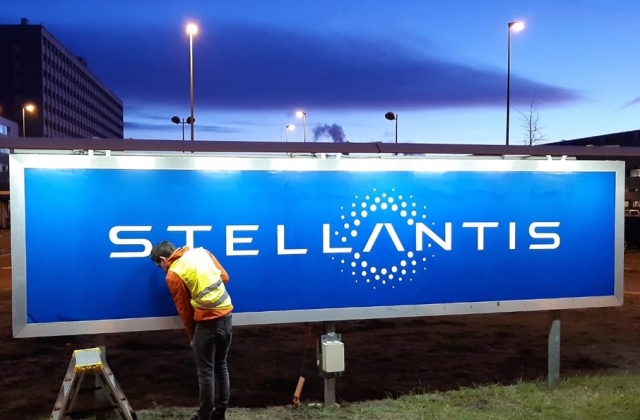
U.S. Senate Republicans have proposed eliminating fines for failing to meet Corporate Average Fuel Economy (CAFE) standards in a sweeping new tax bill, aiming to ease regulatory pressure on automakers and boost gas-powered vehicle production.
The proposal could significantly impact companies like Stellantis (NYSE:STLA), which paid $190.7 million in fuel economy penalties for 2019–2020, following nearly $400 million in earlier fines. General Motors (NYSE:GM) previously paid $128.2 million for 2016–2017 non-compliance.
The bill also undercuts Tesla’s (NASDAQ:TSLA) emissions credit business. By removing compliance penalties, rival automakers would no longer need to purchase credits from Tesla, potentially costing the EV leader around $200 million in revenue.
Meanwhile, House Republicans have introduced a separate plan to repeal Biden-era emissions regulations and proposed increasing EV ownership costs. Their bill would eliminate the $7,500 EV tax credit, impose a $250 annual EV fee, and phase out battery production incentives by 2028.
Both chambers are aligned in efforts to block California’s ban on new gasoline-only car sales by 2035—a policy already adopted by 11 states representing roughly one-third of the U.S. auto market. That bill is pending President Donald Trump’s approval.
The Transportation Department is also expected to rule that including EVs in Biden's fuel economy rules exceeded legal authority. Previously, the National Highway Traffic Safety Administration had proposed increasing average fuel economy to 50.4 miles per gallon by 2031, up from 39.1 mpg. The industry could face $1.83 billion in cumulative penalties under the current rules.
The new proposals mark a significant shift in U.S. automotive and environmental policy, favoring internal combustion vehicles while rolling back EV incentives and emission standards.







