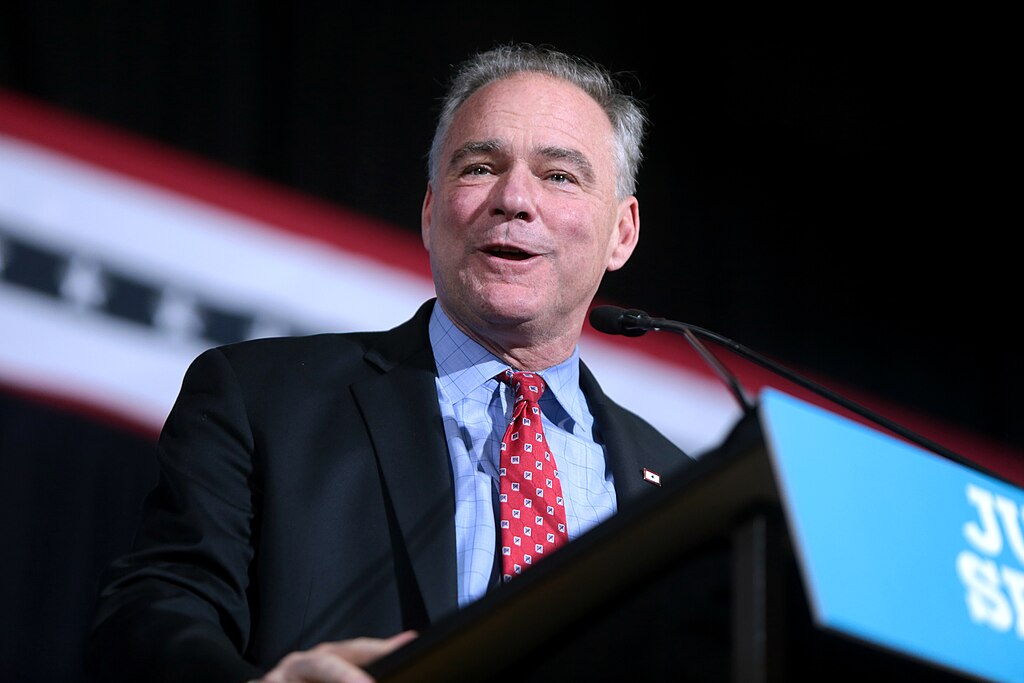
A bipartisan group of U.S. senators is renewing efforts to curb President Donald Trump’s escalating military actions against Venezuela, warning that any unauthorized strike within the country would trigger immediate congressional intervention. Senators Tim Kaine, Chuck Schumer, Adam Schiff, and Rand Paul issued a joint statement stressing that launching military operations without approval would be a dangerous violation of constitutional authority and could put American service members at unnecessary risk. They emphasized that, if the administration conducts a strike on Venezuelan territory, they will invoke the War Powers Resolution to force a congressional vote aimed at halting U.S. involvement.
Their renewed stance comes as Republican-led committees investigate the administration’s expanding military campaign targeting alleged drug boats off Venezuela’s coast. This scrutiny marks the second instance within days that members of Trump’s own party have questioned his foreign policy decisions, following criticism over a proposed Ukraine peace plan lawmakers say tilts toward Russia.
Concerns intensified after reports claimed Secretary of Defense Pete Hegseth ordered a second strike on September 2 to kill survivors of an initial attack—an action that could violate international law. Senator Mike Rounds said lawmakers are still reviewing the facts but acknowledged that intentionally targeting survivors “may be a problem.”
Over the past three months, U.S. forces have carried out at least 21 strikes in the Caribbean and Pacific, resulting in at least 83 deaths as part of Trump’s broader pressure campaign against Venezuelan President Nicolás Maduro. The White House maintains that the operations, approved by Hegseth and executed by Admiral Frank Bradley, were lawful defensive actions conducted in international waters.
Despite repeated attempts by some lawmakers to require congressional authorization for the campaign, Senate Republicans blocked resolutions in October and November that would have restricted Trump’s ability to launch attacks. With tensions rising and questions about legality mounting, senators from both parties signal they are prepared to challenge any further unilateral military escalation.