


 Djibouti Migrant Boat Capsizes, Killing 139 and Leaving 84 Missing
  Flydubai Co-Pilot Planned Suicide Attack on Israel Airport, UAE Says
  Pakistan Declares Emergency in Khyber Pakhtunkhwa, Suspends Imran Khan’s PTI Government
  US Judge Blocks Trump Administration’s Taxpayer-Funded Political Ads
  North Korea Fires Ballistic Missiles as Tensions With South Korea Escalate
  Yandex Data Center Hit by Drone Strike as Russia-Ukraine Cyber Infrastructure Attacks Escalate
  Trump Calls for Zelenskyy Replacement Amid Russian Diesel Deal
  US, EU Push for Action Against Asia’s Excess Factory Capacity
  JD Vance Questions Pentagon Plan to Livestream Fort Hood Shooter’s Execution
  Zelenskiy Slams US-Russia Diesel Deal as Funding War
  Trump Announces Russia-Ukraine Energy Ceasefire Amid U.S. Pressure on Kyiv
  Trump Buys Up to $25M in Meta Stock, Invests in SpaceX Debt
  Trump Announces Russia-Ukraine Energy Ceasefire as Zelenskiy Awaits Details
  Trump Secures Russian Diesel Deal as US Fuel Prices Surge
  Trump Sanctions International Criminal Court, Sparking EU Backlash
  Mahmoud Abbas Postpones Palestinian Elections to September 2027


 Add as a preferred source on Google
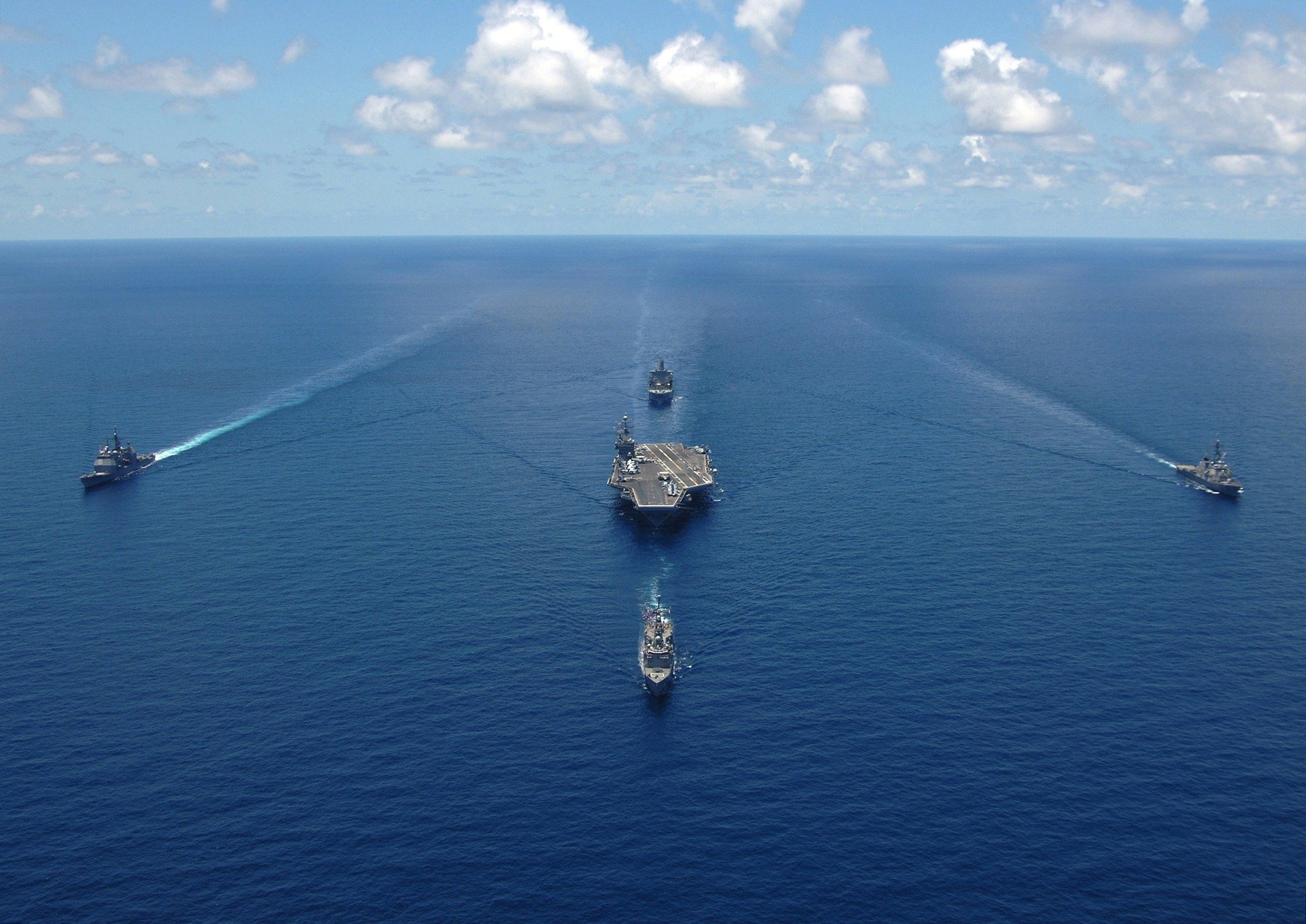
Nations are still at odds against China over the South China Sea, including the Taiwan Strait. Following the passage of a US warship in the narrow region of water, China has issued a warning on the US against making any provocation.
The Chinese military accused the US of creating instability and posing security risks in the region as the USS Milius guided-missile destroyer was seen passing through the Taiwan Strait. A spokesperson for the military said that Beijing vows to take all necessary measures to protect China’s sovereignty and counter all threats and provocations.
The USS Milius is carrying out what Washington regards as a routine activity, but China claims that this is an effort by Washington to sow tensions in the highly disputed region. The US Navy responded to China’s accusations, saying that the guided-missile destroyer was making a “routine Taiwan Strait transit” in accordance with international law.
“The ship’s transit through the Taiwan Strait demonstrates the US commitment to a free and open Indo-Pacific,” said the Navy in a statement. “The United States flies, sails, and operates anywhere international law allows.”
China has previously condemned the US and Canada for their warships transiting through the Taiwan Strait. China claims the island nation of Taiwan as part of its territory and has been engaging in a pressure campaign to get its democratic government to submit. As part of its pressure campaign, China has been making multiple incursions into Taiwanese airspace for the past several months.
China also claims to have sovereignty over the majority of the South China Sea. This sweeping claim has angered the surrounding nations, including Taiwan, which also have territorial claims over parts of the body of water.
The tensions surrounding Taiwan as well as the South China Sea have led leaders of the surrounding countries to be on alert. Chinese President Xi Jinping addressed the leaders of the southeast Asian countries, saying that hegemony was not China’s ultimate goal and that Beijing is willing to work with other ASEAN nations in order to “reduce interference.”
Xi went on to stress that China is an ally of the ASEAN nations.







