


 Brazil Court Suspends Sigma Lithium Mine Operations
  Synthetic data could ease people’s concerns about privacy breaches. But who gets to create it?
  Banking scandal rocks Brazil’s politics and the country’s presidential election in October
  Maduro Seeks Dismissal of US Drug Trafficking Charges
  US Immigration Arrests Surge as Deportations Lag Behind
  Ukraine Tests New Anti-Drone Weapon After Successful Shahed Intercept
  Sara Duterte Posts Bail Over Grave Threats Case
  SEC Seeks ISS Client Voting Records in Proxy Adviser Probe
  New Zealand Moves to Ban Social Media for Children Under 16
  Sweden Election: Centre-Left Holds Narrow Lead
  Nvidia-Groq AI Chip Deal Faces U.S. Antitrust Probe
  Trump Administration Removes Confederate Memorial Criticism From Arlington Website
  Bill Gates Warns Governments Are Unprepared for AI Disruption
  US Resumes Immigrant Visa Processing for Hungary, Poland
  DOJ Will Investigate AI-Related Crimes, Attorney General Blanche Says
  US Judge Dismisses Imran Ahmed Deportation Lawsuit


 Add as a preferred source on Google
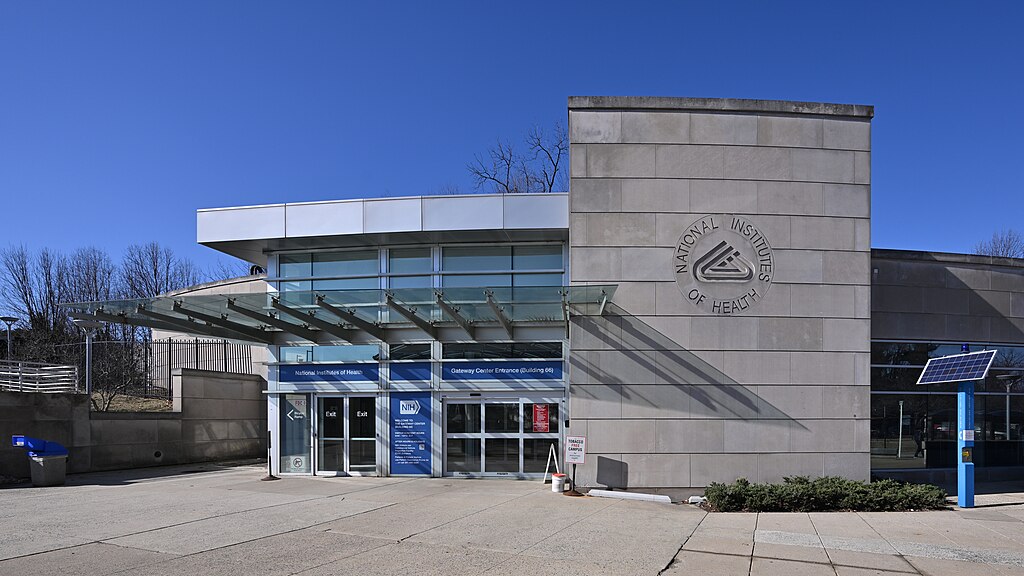
The Trump administration has reached an agreement with researchers and Democratic-led states who filed a lawsuit over cuts to diversity-related research funding at the National Institutes of Health (NIH). The deal, announced Monday, allows stalled or rejected grant applications to move forward for review after months of legal uncertainty surrounding diversity, equity, and inclusion (DEI) research funding.
The dispute began after the NIH canceled hundreds of millions of dollars in research grants, citing concerns that the projects were tied to DEI initiatives rather than core scientific objectives. In response, affected researchers and states sued the federal government, arguing that the funding cuts were unlawful and arbitrary. Earlier this year, U.S. District Judge William Young ruled in Boston that the NIH had improperly terminated the grants, finding that the cancellations violated federal law.
However, the legal battle became more complex in August when the U.S. Supreme Court partially paused Judge Young’s ruling. The high court determined that claims related to the terminated grants should be heard by a specialized federal court that handles monetary disputes with the government. At the same time, the Supreme Court left unresolved a separate issue regarding how the NIH handled applications for future research funding.
Monday’s agreement addresses that unresolved portion of the case. Under the deal, the federal government has agreed to conduct new reviews of grant applications that were frozen, denied, or withdrawn after the policy change was announced. Importantly, the agreement does not require the NIH to approve or fund any specific research proposals, but it does reopen the door for fair consideration.
The researchers involved say the affected grants cover critical public health areas, including HIV prevention, Alzheimer’s disease, LGBTQ health, and sexual violence research. One of the plaintiffs, Nikki Maphis, a postdoctoral researcher at the University of New Mexico, welcomed the development, saying it allows her Alzheimer’s and aging brain research to move forward after what she described as an “arbitrary and destructive freeze.”
The agreement does not affect Judge Young’s earlier ruling blocking the NIH policy itself. The U.S. Department of Health and Human Services has appealed that decision and maintains that it ended funding for research it believes prioritized ideology over scientific rigor.







