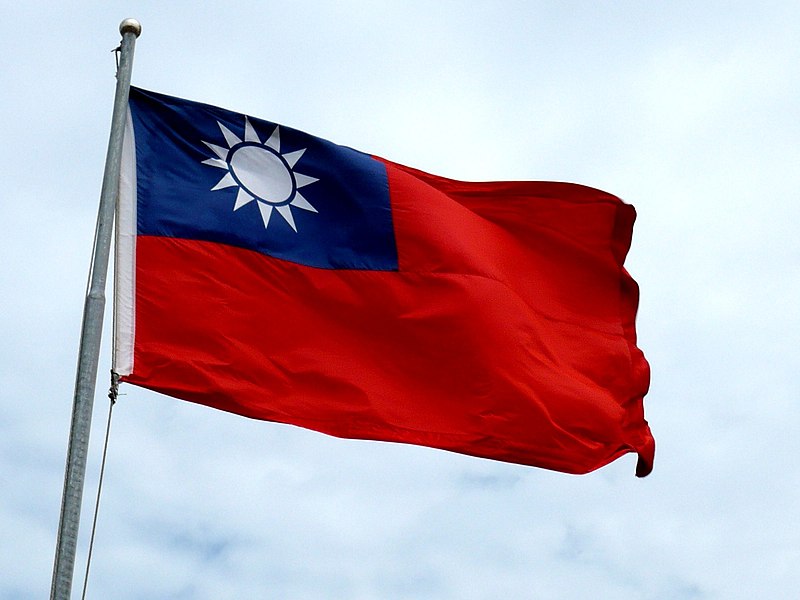
In the latest sign of flared tensions in the region, China’s military staged its second day of military drills close to the island nation. The second day of drills follows Taiwanese President Tsai Ing-wen’s transits to the United States following visits to the island’s allies in Central America.
China began three days of military drills close to Taiwan on Saturday in an effort to maintain its offensive stance around the island nation that it claims as its territory, which Taipei has repeatedly rejected. Chinese state television said the military drills are still underway, having taken place a day after Tsai met with US House Speaker Kevin McCarthy during her transit in California despite Beijing’s threats to McCarthy not to meet with Tsai.
“Under the unified command of the theater joint operations command center, multiple types of units carried out simulated joint precision strikes on key targets on Taiwan island and the surrounding sea areas and continue to maintain an offensive posture around the island,” said Chinese state television.
The announcement of the activity in the Chinese drills came as the Taiwanese defense ministry said it detected 11 Chinese warships and 70 aircraft making incursions around the island. The ministry said it was responding to China’s ongoing military drills “in a calm and composed manner” and that the warplanes that were detected in Taiwanese airspace included fighter jets and bombers.
The Taiwanese defense ministry also said it was monitoring the People’s Liberation Army’s Rocket Force, the unit in charge of China’s land-based missile system.
“Regarding the movements of the Chinese communists’ Rocket Force, the nation’s military also has a close grasp through the joint intelligence, surveillance, and reconnaissance system, and air defense forces remain on high alert,” said the ministry.
The reports of drills have also concerned the European Union, issuing a statement on Monday saying that the status quo of the democratically governed island should not be unilaterally changed or changed by force as any escalation, accident, or use of military force would have major global implications. The bloc went on to stress the importance of exercising “restraint” and that tensions in the region should be resolved through open dialogue.