
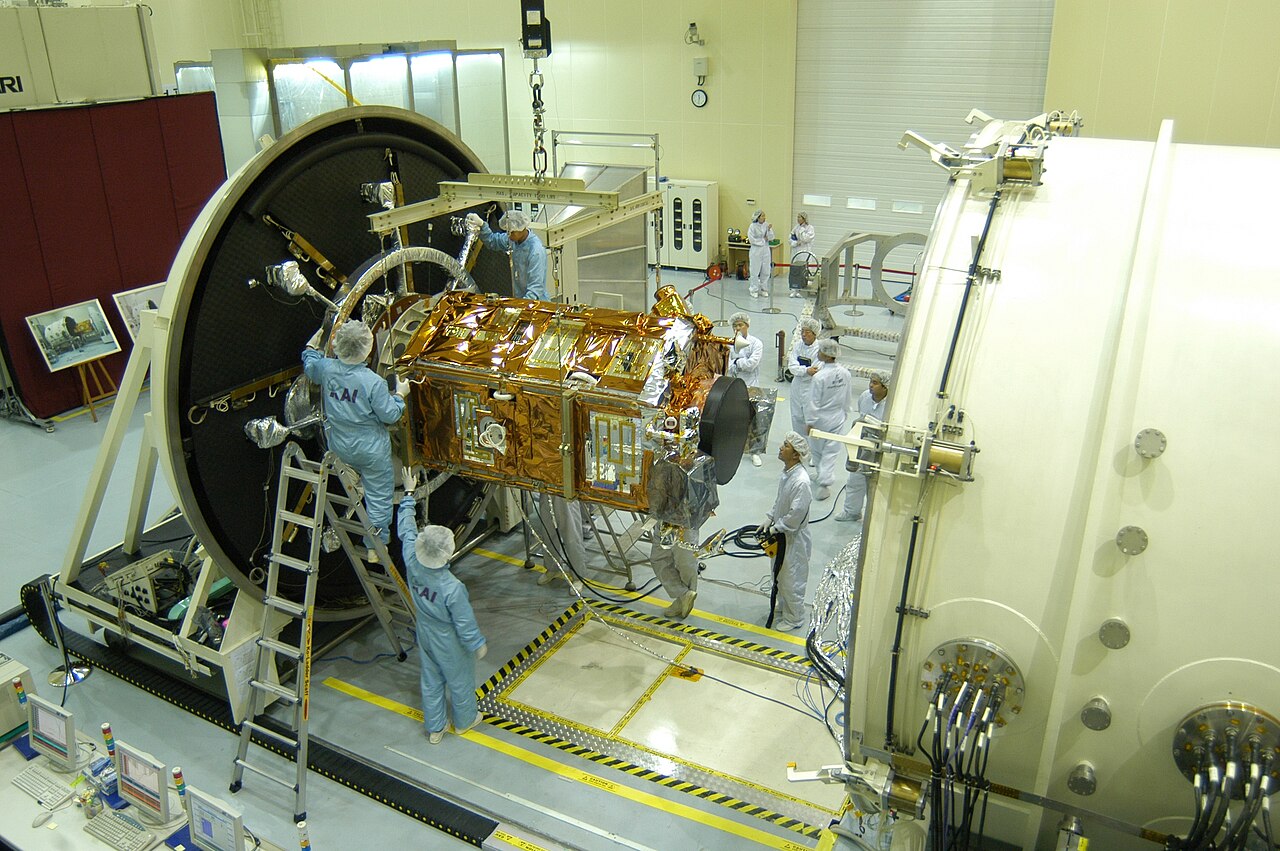
South Korea scrapped the planned launch of its locally-made space rocket hours before it was supposed to take place. Technical issues were cited as the reason for the cancellation of the rocket, which was believed to be another step forward in its space program.
On Wednesday, South Korea canceled the planned launch of its space rocket due to technical issues hours before it was supposed to take place. Officials said that the technical issues may likely be attributed to communication glitches between computers that control a helium relief valve. The vehicle itself did not show any potential problems and thus will remain on the launch pad.
Deputy South Korean science minister Oh Tae-seok said during a briefing that an upcoming meeting would decide when the launch could take place. The South Korean Science Ministry later said that the third launch was rescheduled to Thursday as officials said the technical issues were fixed overnight.
The third test would be loading and launching a commercial satellite on the Nuri vehicle at the Naro Space Center in Goheung in the southwestern part of South Korea. South Korea plans to carry out three more test launches of its Nuri system by 2027.
Wednesday’s planned launch by South Korea also comes at a time when Seoul and North Korea are in an arms race. Pyongyang is gearing toward launching its first spy satellite, and while South Korea has no military surveillance satellites, it relies on intelligence information provided by its major ally, the United States.
The launch this week follows the launch in June last year of its Nuri rocket and another launch that placed working and dummy satellites into orbit.
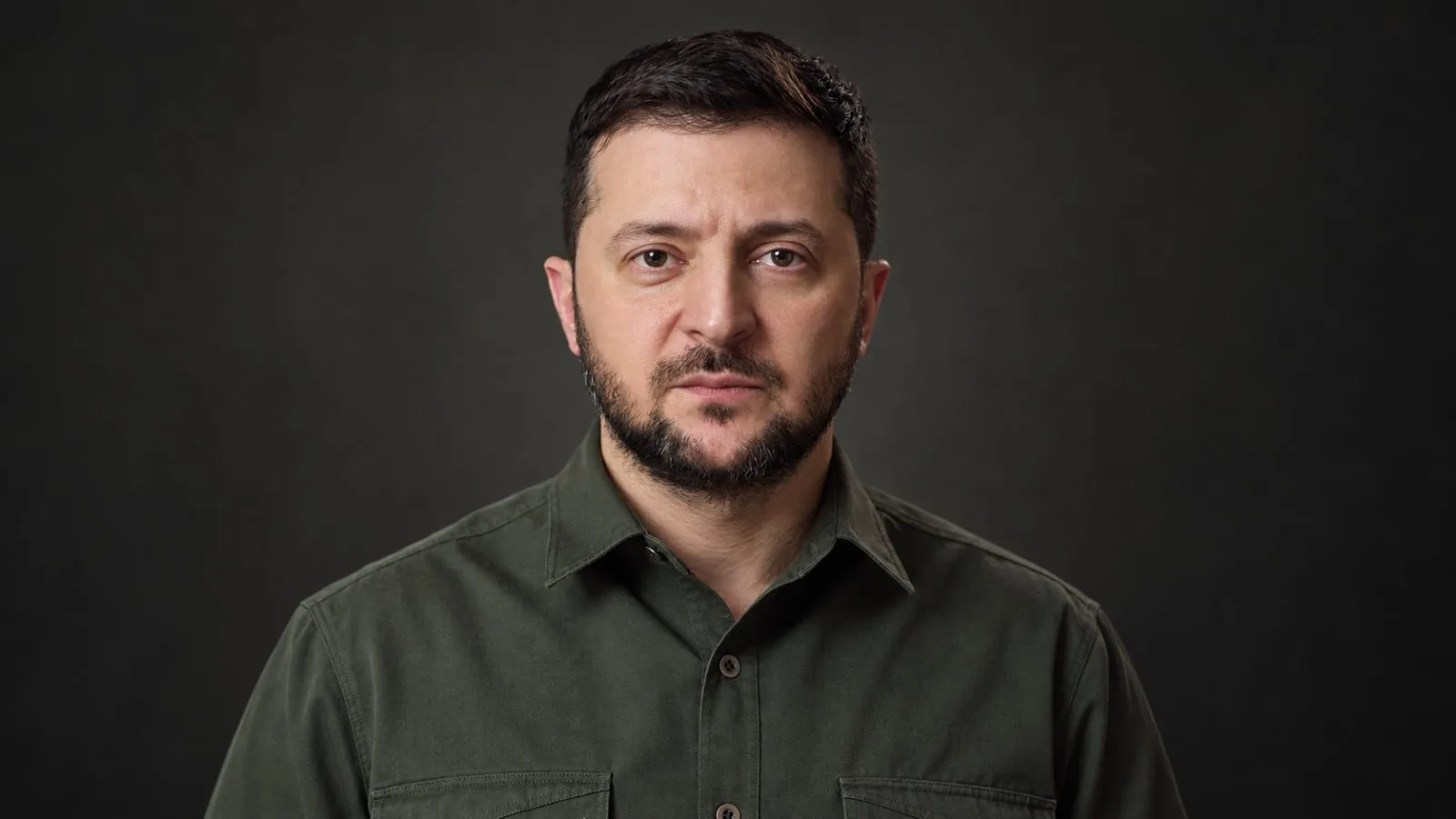
Meanwhile, the Wall Street Journal reported on Wednesday that South Korean ammunition would be on its way to the United States to be provided for Ukraine after Seoul initially resisted appeals by Kyiv to provide lethal assistance in the ongoing war. Citing sources familiar with the matter, Seoul reportedly reached a “confidential arrangement” with Washington to transfer shells to the US, which would then be delivered to Ukraine, also after the US urged South Korea to provide military support.
South Korean defense ministry spokesman Jeon Ha-kyu said on Thursday that parts of the WSJ report were not accurate but that they were in talks with officials from the Pentagon over ammunition exports.
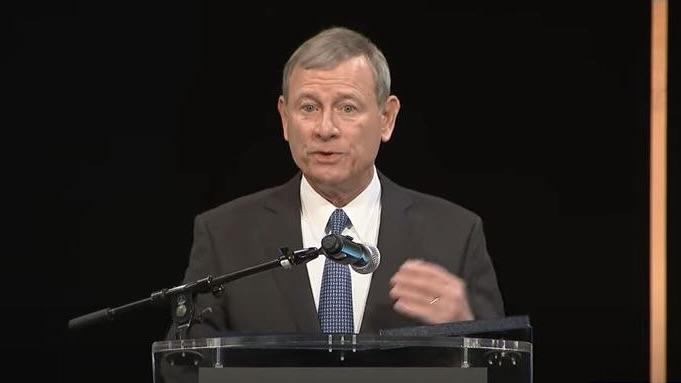
Photo: Korea Aerospace Research Institute/Wikimedia Commons(CC by 2.0)
.jpeg)