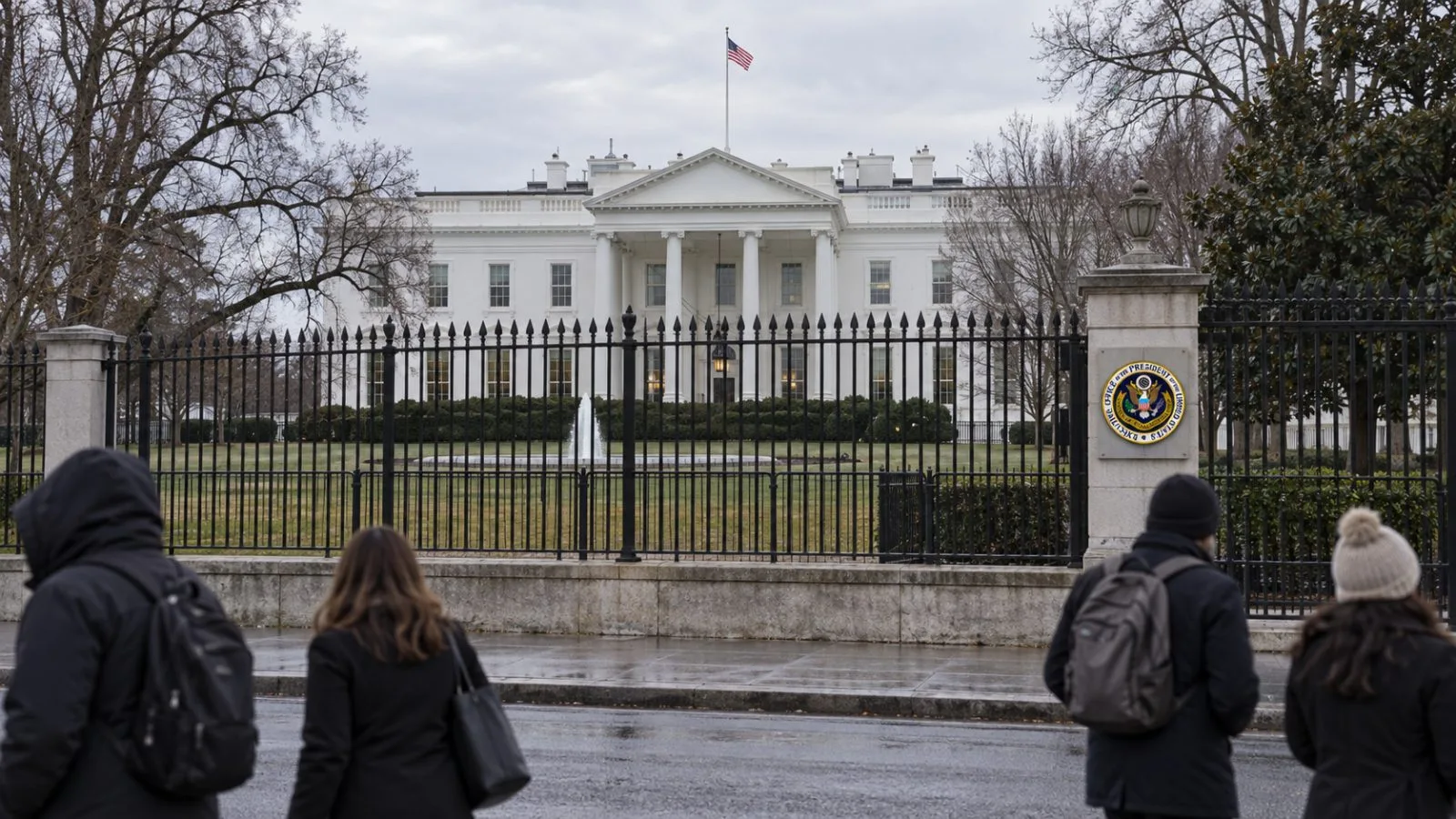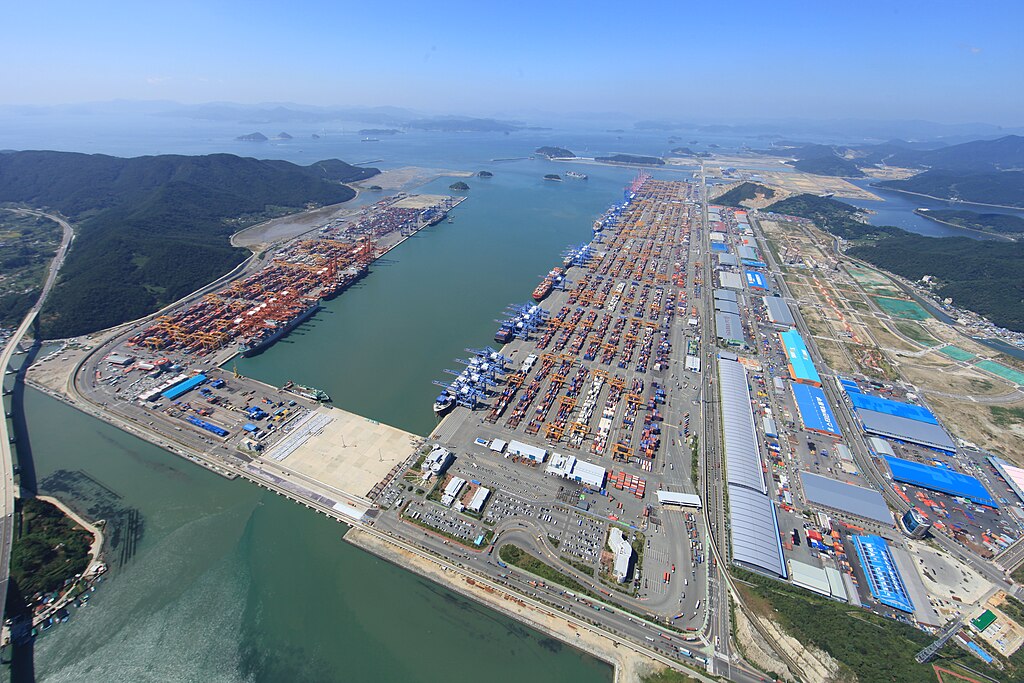
South Korea’s top trade envoy, Yeo Han-koo, departed for Washington on Monday to continue tariff negotiations with the United States, according to the trade ministry. The discussions aim to finalize details of a broad trade agreement reached in July, with the $350 billion U.S. investment package emerging as a key sticking point.
Seoul officials have raised concerns that terms similar to those in a recent U.S.-Japan trade deal could negatively impact South Korea’s foreign exchange market. This has slowed progress despite earlier talks led by Industry Minister Kim Jung-kwan, who recently met with U.S. Commerce Secretary Howard Lutnick but returned without a breakthrough.
Before leaving, Yeo emphasized that Seoul is determined to secure a deal that safeguards South Korea’s national interests. President Lee Jae Myung echoed that stance, stating he would reject any agreement that compromises the country’s economy or stability.
The finance ministry confirmed ongoing discussions with Washington to limit potential disruptions to the Korean won but declined to clarify whether a foreign exchange swap line was on the table.
The negotiations are further complicated by strained diplomatic ties following a U.S. immigration raid at a Hyundai Motor battery plant in Georgia. Hundreds of Korean workers were detained, sparking outrage in Seoul and raising concerns about the investment climate for South Korean companies in America.
Meanwhile, U.S. President Donald Trump defended the importance of foreign expertise, urging companies to bring professionals to train American workers in advanced manufacturing sectors such as semiconductors and shipbuilding. Trump stressed that he does not want to discourage foreign investment, despite the recent controversy.
As negotiations resume, both sides face mounting pressure to strike a balance between securing economic gains and addressing sensitive political and market concerns.