South Korea’s economy saw limited growth in the fourth quarter, expanding just 0.2% seasonally adjusted, as political instability dampened consumer spending, according to a Reuters poll of economists. Annual growth slowed to 1.4%, down slightly from 1.5% in the previous quarter.
The uncertainty stemmed from President Yoon Suk Yeol's brief attempt at martial law on December 3, which weakened economic sentiment and domestic demand. This overshadowed a rebound in exports, which grew 6.6% year-on-year in December, with semiconductor exports surging 31.5%.
In response to the fragile economic environment, the Bank of Korea (BOK) surprisingly held its benchmark interest rate steady on January 16 to stabilize the won, which lost over 12% of its value last year. The currency has since seen modest gains. However, economists anticipate a 25-basis-point rate cut in February, with a total reduction of 75 basis points by the third quarter.
BOK Governor Rhee Chang-yong signaled that while currency stability remains critical, further rate cuts are likely to address weak domestic demand. The central bank recently revised its 2025 growth projection downward to 1.6%-1.7% from 1.9%, reinforcing expectations for monetary easing.
Economists highlight that political stability will be crucial for sustained economic recovery. Min Joo Kang of ING noted that unless the political situation worsens, the BOK is expected to proceed with rate cuts to support growth.
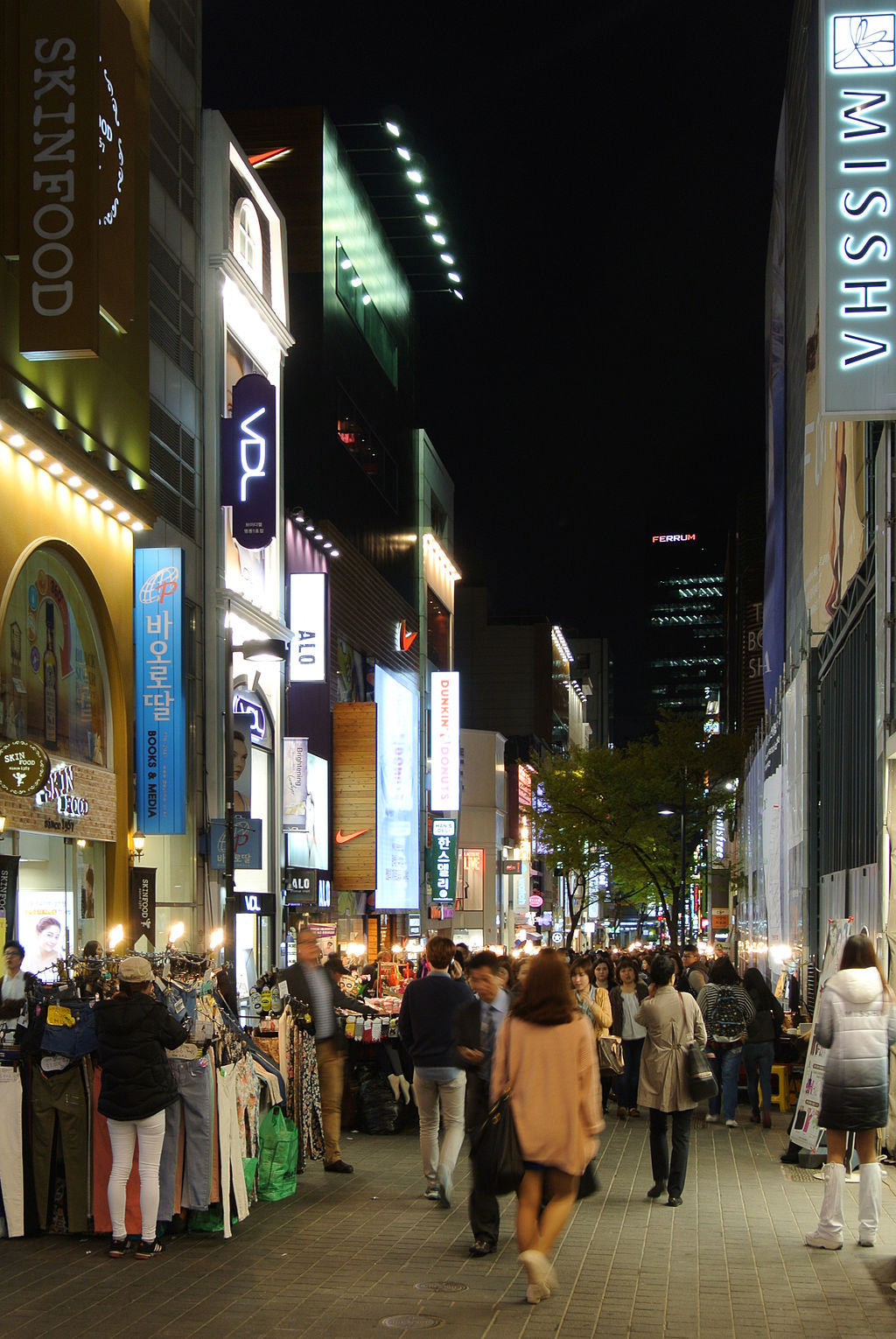
While exports show promise, sluggish domestic consumption remains a concern as businesses and consumers remain cautious. The combination of geopolitical uncertainty and economic challenges leaves South Korea’s policymakers navigating a delicate balance to restore confidence and stimulate growth.