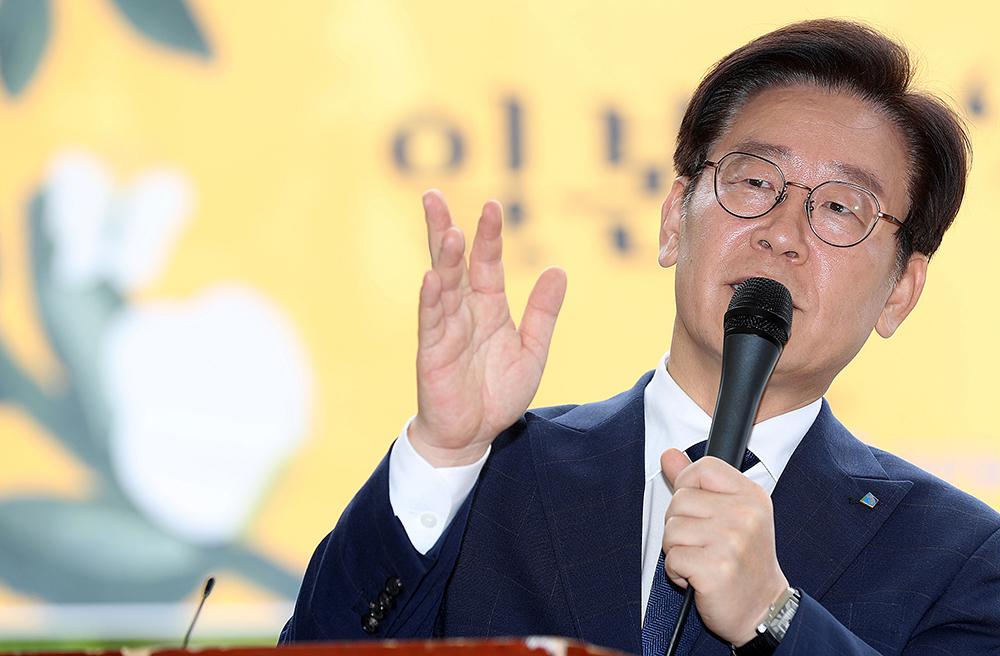
South Korean President Lee Jae Myung announced on Tuesday that the nation’s economy has “turned a corner,” highlighting signs of recovery amid easing geopolitical and corporate governance risks. His remarks came during an annual budget address at the National Assembly, where he celebrated the Kospi stock index surpassing 4,000 points—a milestone reflecting renewed investor confidence.
Lee emphasized that consumer sentiment is rising, with the economy expanding 1.2% in the third quarter, marking the strongest growth in six quarters following a contraction earlier this year. “We are now out of crisis status,” Lee said, crediting decisive policy measures over the past five months to overcome what he described as an “economic crisis caused by the illegal martial law.”
The rebound in exports, despite persistent uncertainties from U.S. tariff policies, has been a key driver of growth. At the same time, domestic demand has strengthened, supported by an extra budget exceeding $20 billion that included two rounds of cash handouts, stimulating spending in restaurants and retail sectors.
For 2026, Lee proposed a government budget of 728 trillion won ($512.14 billion)—an 8.1% increase from this year and more than triple the 2.5% expansion seen in 2025. The president underscored his administration’s focus on driving an “economic transformation” by channeling strategic investments into artificial intelligence (AI), Korean cultural and entertainment content, shipbuilding, and semiconductors—industries seen as vital to sustaining long-term competitiveness.
Lee’s address painted a picture of cautious optimism, portraying South Korea as emerging from crisis mode toward a new phase of innovation-led growth—anchored by strong exports, fiscal stimulus, and industrial modernization.