South Korea’s leading manufacturers, including Samsung Electronics and Hyundai Motor Group, announced major domestic investment plans on Sunday as concerns grow that a new U.S. trade agreement could divert capital away from local industries. The moves come shortly after South Korea agreed to invest $350 billion in strategic sectors in the United States, raising questions about the long-term impact on the country’s own manufacturing base.
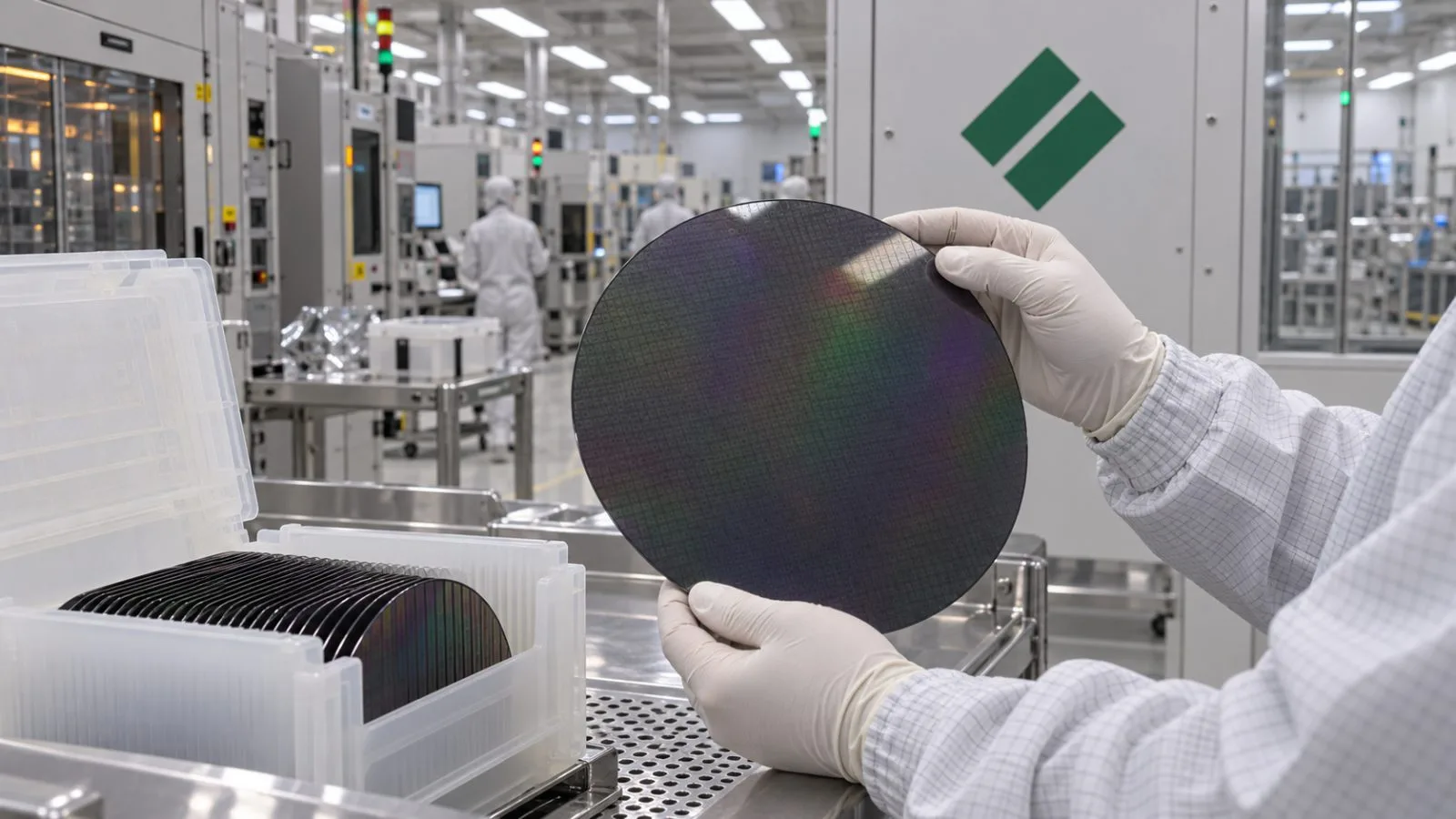
Samsung Electronics revealed it will expand its massive semiconductor complex in Pyeongtaek by adding a new memory chip production line, known as the P5 plant. This development is part of Samsung Group’s broader commitment to invest 450 trillion won ($310.79 billion) in South Korea over the next five years. The expansion aims to meet surging global demand for memory chips powered by rapid advancements in artificial intelligence, cloud computing, and high-performance servers. With global semiconductor prices rising sharply—some Samsung memory chips jumped as much as 60% since September—the company is positioning itself to secure supply and strengthen its competitiveness.
President Lee Jae Myung, who met with business leaders on Sunday, urged companies to prioritize domestic investments despite the newly finalized U.S. trade agreement. He emphasized the need to safeguard South Korea’s manufacturing strength while still leveraging opportunities overseas. Samsung Chairman Jay Y. Lee echoed this sentiment, promising increased domestic spending, job creation, and stronger cooperation with small and medium-sized enterprises.
Hyundai Motor Group also committed to investing 125.2 trillion won domestically from 2026 to 2030, while major shipbuilders Hanwha Ocean and HD Hyundai outlined their own sizable plans. Samsung expects mass production at the P5 facility to begin in 2028 and said it will continue building infrastructure to support long-term chip demand driven by AI.