


 UK Finance Minister Healey Calls for Fiscal Discipline Amid Global Risks
  North Korea Fires Ballistic Missiles as Tensions With South Korea Escalate
  RFK Jr. Launches Nationwide Vaccine Safety Review
  Brazil Election: Lula and Bolsonaro Rally Ahead of October 25 Runoff
  Venezuela’s Machado Calls for Elections by July 2027
  Flavio Bolsonaro Leads Lula 49%-45% in Brazil Runoff Poll
  Panama Declares Emergency After 7.7 Earthquake Triggers 200 Aftershocks
  Zelenskiy Slams US Over Deadly Russian Strikes on Ukraine
  Trump Sanctions International Criminal Court, Sparking EU Backlash
  US Judge Blocks Trump Administration’s Taxpayer-Funded Political Ads
  Zelenskiy Slams US-Russia Diesel Deal as Funding War
  US, EU Push for Action Against Asia’s Excess Factory Capacity
  Trump Calls for Zelenskyy Replacement Amid Russian Diesel Deal
  Djibouti Migrant Boat Capsizes, Killing 139 and Leaving 84 Missing
  Trump Announces Russia-Ukraine Energy Ceasefire as Zelenskiy Awaits Details
  Trump Announces Russia-Ukraine Energy Ceasefire Amid U.S. Pressure on Kyiv
  Ripple Chairman Chris Larsen Donates $22.5 Million Ahead of US Midterms


 Add as a preferred source on Google
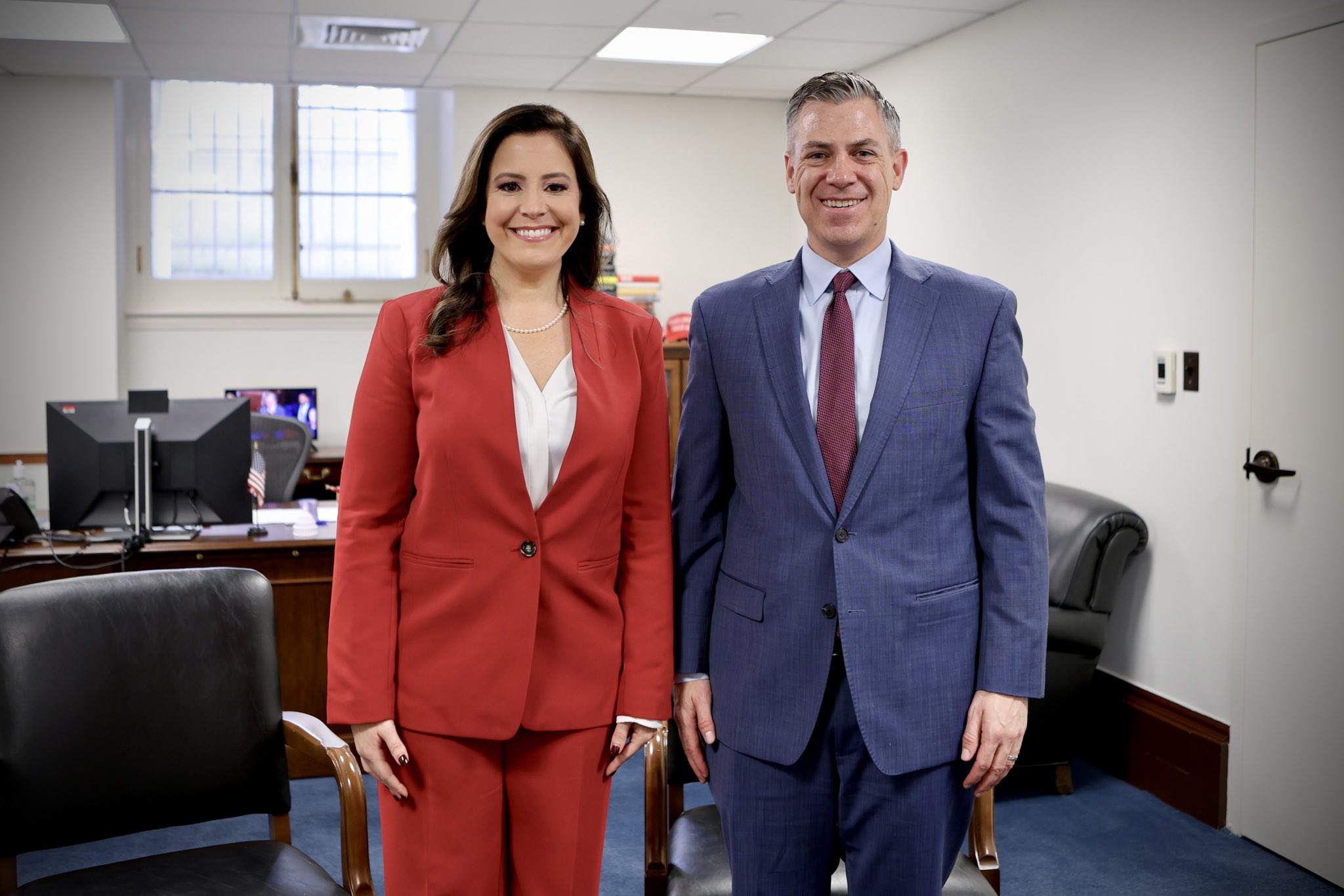
In a recent meeting on Capitol Hill, Representative Elise Stefanik (R-N.Y.) and Senator-elect Jim Banks (R-Ind.) reaffirmed their commitment to reinstating former President Donald Trump's "America First" defense policies. The two lawmakers, both prominent figures in the Republican Party, emphasized a return to a "peace through strength" approach in U.S. military and foreign affairs.
Background and Shared Service
Stefanik and Banks have a history of collaboration on the House Armed Services Committee, where they have advocated for robust defense spending and policies aimed at countering global threats. Their joint efforts have focused on enhancing military readiness and supporting service members and their families.
Commitment to 'America First' Policies
During their discussion, Stefanik expressed pride in Banks' election to the Senate and highlighted their shared vision for national defense. She stated that they plan to "return to President Trump's America First peace through strength policies on Day One," signaling a unified stance on defense strategy.
Public Reaction
The announcement has garnered mixed reactions on social media:
-
@PatriotPride: "Glad to see leaders committed to strong defense policies. Our military needs this focus."
-
@PeaceAdvocate: "Reverting to aggressive policies isn't the answer. Diplomacy should be the priority."
-
@DefenseWatcher: "Their experience on the Armed Services Committee could bring valuable insights to current challenges."
Implications for U.S. Defense Strategy
The collaboration between Stefanik and Banks suggests a potential shift in defense policy direction, emphasizing increased military spending and a more assertive global posture. This approach aligns with the "America First" doctrine, which prioritizes national interests and a strong defense capability.
Conclusion
As Stefanik and Banks prepare to influence defense policy in their respective roles, their commitment to reinstating "America First" strategies reflects a broader movement within the Republican Party to return to the defense principles of the previous administration. Their combined experience and shared vision may significantly impact the future direction of U.S. military and foreign policy.







